
About This Book
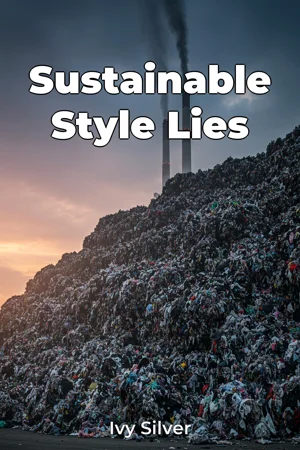
Is "sustainable fashion" a genuine commitment to environmental and social responsibility, or simply a clever marketing tactic designed to capitalize on consumer guilt and environmental awareness? *Sustainable Style Lies* cuts through the greenwashing and deceptive advertising to expose the complex realities behind the fashion industry's pursuit of sustainability. We delve into whether current practices truly deliver on their promises, or if they perpetuate further harm under a veneer of ethical production. This book tackles three critical areas: the environmental impact of textile production, the ethical treatment of garment workers, and the pervasive influence of marketing in shaping consumer perceptions of sustainability. These topics are vital because the fashion industry is a significant contributor to global pollution, exploitation, and resource depletion. Consumers are increasingly seeking more responsible options but are often misled by ambiguous or unsubstantiated claims. To understand the current landscape, we examine the historical context of the fashion industry's environmental and social practices, from the rise of fast fashion to the growing awareness of its negative consequences. A basic understanding of supply chain dynamics, textile manufacturing processes, and labor rights is helpful, but not essential, as we provide clear explanations of these concepts. Our central argument asserts that while some progress has been made in sustainable fashion, the industry faces systemic challenges that require substantial, transparent, and verifiable changes. The book maintains that without rigorous oversight and authentic commitment, "sustainable fashion" risks becoming a deceptive facade that benefits corporations more than the planet or its people. The book's structure unfolds in three parts. First, we introduce the core concepts of sustainable fashion, define key terminology, and scrutinize common industry claims. Second, we develop our argument through a detailed examination of the environmental and social costs associated with textile production, from cotton farming to dyeing processes and waste management. This section also assesses the conditions faced by garment workers across the globe and explores the effectiveness of current labor standards and certifications. Third, we analyze the marketing strategies employed by fashion brands to promote their "sustainable" initiatives, revealing how these campaigns often lack transparency and accountability. We culminate by presenting a framework for evaluating the true sustainability of fashion brands and offering practical recommendations for consumers, policymakers, and industry stakeholders who seek genuine change. The evidence presented is drawn from a variety of sources, including scientific studies on the environmental impact of textiles, investigative reports on labor practices in garment factories, and analyses of corporate sustainability reports and marketing campaigns. The book incorporates data from life cycle assessments, carbon footprint analyses, and social audits of supply chains. *Sustainable Style Lies* connects to other fields such as environmental science by examining the ecological footprint of textile production and waste; to business ethics by evaluating corporate social responsibility claims; and to economics by analyzing the market forces that drive both unsustainable practices and the demand for sustainable alternatives. These interdisciplinary connections enrich our analysis, offering a more holistic understanding of the challenges and opportunities in sustainable fashion. We adopt a critical perspective, questioning conventional wisdom and challenging unsubstantiated claims. Our tone is informative and analytical, presenting complex information in a clear and accessible manner. The book is aimed at consumers, students, researchers, policymakers, and industry professionals who are interested in understanding the realities of sustainable fashion. It is valuable for anyone seeking to make informed purchasing decisions and advocate for greater transparency and accountability within the fashion industry. As a work of environmental and business non-fiction, *Sustainable Style Lies* adheres to the standards of rigorous research and evidence-based analysis. This book's scope is intentionally broad, covering the entire lifecycle of fashion products, but it is limited to the apparel and textile industries. Readers can apply the information in this book to evaluate the sustainability claims of fashion brands, make more informed purchasing decisions, and advocate for policies that promote greater environmental and social responsibility in the fashion industry. One of the central debates addressed within is whether voluntary self-regulation by companies is sufficient to drive meaningful change, or whether stricter government regulations and industry-wide standards are necessary. This book confronts the conflicting viewpoints and proposes pathways toward a more just and sustainable fashion future.
Is "sustainable fashion" a genuine commitment to environmental and social responsibility, or simply a clever marketing tactic designed to capitalize on consumer guilt and environmental awareness? *Sustainable Style Lies* cuts through the greenwashing and deceptive advertising to expose the complex realities behind the fashion industry's pursuit of sustainability. We delve into whether current practices truly deliver on their promises, or if they perpetuate further harm under a veneer of ethical production. This book tackles three critical areas: the environmental impact of textile production, the ethical treatment of garment workers, and the pervasive influence of marketing in shaping consumer perceptions of sustainability. These topics are vital because the fashion industry is a significant contributor to global pollution, exploitation, and resource depletion. Consumers are increasingly seeking more responsible options but are often misled by ambiguous or unsubstantiated claims. To understand the current landscape, we examine the historical context of the fashion industry's environmental and social practices, from the rise of fast fashion to the growing awareness of its negative consequences. A basic understanding of supply chain dynamics, textile manufacturing processes, and labor rights is helpful, but not essential, as we provide clear explanations of these concepts. Our central argument asserts that while some progress has been made in sustainable fashion, the industry faces systemic challenges that require substantial, transparent, and verifiable changes. The book maintains that without rigorous oversight and authentic commitment, "sustainable fashion" risks becoming a deceptive facade that benefits corporations more than the planet or its people. The book's structure unfolds in three parts. First, we introduce the core concepts of sustainable fashion, define key terminology, and scrutinize common industry claims. Second, we develop our argument through a detailed examination of the environmental and social costs associated with textile production, from cotton farming to dyeing processes and waste management. This section also assesses the conditions faced by garment workers across the globe and explores the effectiveness of current labor standards and certifications. Third, we analyze the marketing strategies employed by fashion brands to promote their "sustainable" initiatives, revealing how these campaigns often lack transparency and accountability. We culminate by presenting a framework for evaluating the true sustainability of fashion brands and offering practical recommendations for consumers, policymakers, and industry stakeholders who seek genuine change. The evidence presented is drawn from a variety of sources, including scientific studies on the environmental impact of textiles, investigative reports on labor practices in garment factories, and analyses of corporate sustainability reports and marketing campaigns. The book incorporates data from life cycle assessments, carbon footprint analyses, and social audits of supply chains. *Sustainable Style Lies* connects to other fields such as environmental science by examining the ecological footprint of textile production and waste; to business ethics by evaluating corporate social responsibility claims; and to economics by analyzing the market forces that drive both unsustainable practices and the demand for sustainable alternatives. These interdisciplinary connections enrich our analysis, offering a more holistic understanding of the challenges and opportunities in sustainable fashion. We adopt a critical perspective, questioning conventional wisdom and challenging unsubstantiated claims. Our tone is informative and analytical, presenting complex information in a clear and accessible manner. The book is aimed at consumers, students, researchers, policymakers, and industry professionals who are interested in understanding the realities of sustainable fashion. It is valuable for anyone seeking to make informed purchasing decisions and advocate for greater transparency and accountability within the fashion industry. As a work of environmental and business non-fiction, *Sustainable Style Lies* adheres to the standards of rigorous research and evidence-based analysis. This book's scope is intentionally broad, covering the entire lifecycle of fashion products, but it is limited to the apparel and textile industries. Readers can apply the information in this book to evaluate the sustainability claims of fashion brands, make more informed purchasing decisions, and advocate for policies that promote greater environmental and social responsibility in the fashion industry. One of the central debates addressed within is whether voluntary self-regulation by companies is sufficient to drive meaningful change, or whether stricter government regulations and industry-wide standards are necessary. This book confronts the conflicting viewpoints and proposes pathways toward a more just and sustainable fashion future.
"Sustainable Style Lies" investigates the fashion industry's sustainability claims, questioning whether they represent genuine environmental and social responsibility or mere marketing ploys—a practice known as greenwashing. The book tackles critical areas like the environmental impact of textile production, ethical labor practices, and the influence of marketing on consumer perceptions. The fashion industry significantly contributes to global pollution; for example, textile dyeing is a major source of water contamination. By examining the historical context and current practices, the book argues that systemic challenges require transparent and verifiable changes for "sustainable fashion" to be authentic. The book progresses in three parts, first introducing core concepts and scrutinizing industry claims. Then, it details the environmental and social costs of textile production, from cotton farming to waste management, while also assessing garment worker conditions. Finally, it analyzes the marketing strategies employed by fashion brands, offering a framework for evaluating true sustainability and providing recommendations for consumers, policymakers, and industry stakeholders. The book uses scientific studies, investigative reports, and corporate sustainability reports to reveal the complexities of sustainable fashion and empower consumers to make informed choices.
Book Details
ISBN
9788235216519
Publisher
Publifye AS
Your Licenses
You don't own any licenses for this book
Purchase a license below to unlock this book and download the EPUB.
Purchase License
Select a tier to unlock this book
Need bulk licensing?
Contact us for enterprise agreements.