
About This Book
How much does the allure of luxury cost the global economy, and more importantly, the consumer? "Fake Luxury Market" delves into the intricate and expansive world of counterfeit fashion, exposing the profound damages inflicted on high-end brands and the widespread deception of buyers. This book dissects the economic, legal, and ethical dimensions of the fake luxury market, offering a comprehensive understanding of its mechanisms and devastating consequences. The core of this exploration centers on three pivotal themes: the economic impact of counterfeit goods, the psychological motivations driving consumer demand for fakes, and the effectiveness of current legal and enforcement strategies. These topics are crucial because the proliferation of fake luxury items undermines legitimate businesses, fuels illicit activities, and erodes consumer trust. Understanding these aspects is vital for policymakers, business leaders, and consumers alike. To provide context, the book examines the historical evolution of the counterfeit market, tracing its growth from small-scale imitations to a globally interconnected industry enabled by digital platforms. It also considers the social factors that contribute to the demand for luxury goods, such as aspirational consumerism and the pursuit of social status. Readers will benefit from a basic understanding of economic principles related to supply and demand, as well as an awareness of intellectual property rights. The central argument posits that the fake luxury market is not merely a superficial issue of brand protection; it represents a significant threat to economic stability, innovation, and consumer welfare. The book demonstrates that the current approaches to combating counterfeiting are inadequate and proposes a multifaceted strategy that combines stricter enforcement, consumer education, and innovative technological solutions. "Fake Luxury Market" is structured to provide a logical and comprehensive analysis. The introduction establishes the scope and significance of the problem. Subsequent chapters delve into the economic consequences, quantifying the losses incurred by luxury brands and exploring the impact on employment and tax revenue. The psychology of the consumer is then examined, analyzing why individuals knowingly purchase counterfeit goods. Further sections investigate the legal frameworks governing intellectual property rights and assess the effectiveness of anti-counterfeiting measures. Finally, the book culminates in a discussion of potential solutions, including technological innovations and policy recommendations. The book draws on a wide range of evidence, including economic data from market research firms, legal case studies involving counterfeit goods, and consumer surveys exploring purchasing behavior. Unique data sources include interviews with law enforcement officials involved in anti-counterfeiting operations, as well as analyses of online marketplaces known for facilitating the sale of fake luxury items. The analysis extends beyond the immediate realms of economics and business, connecting to criminology through the exploration of organized crime’s involvement in counterfeiting, and to sociology by examining the cultural factors that drive demand for luxury and status symbols. It touches on technology to understand how online platforms and digital payment systems make counterfeiting easier. These interdisciplinary connections enrich the argument by providing a more holistic understanding of the fake luxury market. A distinctive feature of this book is its emphasis on actionable strategies for combating counterfeiting. Rather than simply documenting the problem, it offers concrete recommendations for businesses, policymakers, and consumers to mitigate the negative impacts of the fake luxury market. The tone of the book is analytical and informative, with a focus on presenting complex information in a clear and accessible manner. It avoids sensationalism and instead relies on rigorous research and objective analysis. The target audience includes business students, professionals in the luxury goods industry, policymakers involved in trade and intellectual property regulation, and consumers who are interested in understanding the ethical and economic implications of their purchasing decisions. It will also appeal to academic researchers studying consumer behavior, brand management, and the economics of counterfeiting. As a work of non-fiction within the genres of economics and business, "Fake Luxury Market" adheres to standards of accuracy, objectivity, and thorough research. It presents a balanced perspective on the issue, acknowledging the complexities and nuances of the counterfeit market. The scope of the book is global, examining the fake luxury market in various regions around the world. However, it primarily focuses on the economic and consumer dynamics in developed countries, recognizing that the impact of counterfeiting may vary across different cultural and economic contexts. From a practical standpoint, the book offers guidance to consumers on how to identify counterfeit goods and make informed purchasing decisions. It also provides businesses with strategies for protecting their brands and combating counterfeiting through legal and technological means. The book engages with ongoing debates about the effectiveness of different anti-counterfeiting strategies, such as harsher criminal penalties versus increased consumer awareness campaigns, offering a nuanced perspective on these controversial issues. The book suggests that consumer education is as important as law enforcement.
How much does the allure of luxury cost the global economy, and more importantly, the consumer? "Fake Luxury Market" delves into the intricate and expansive world of counterfeit fashion, exposing the profound damages inflicted on high-end brands and the widespread deception of buyers. This book dissects the economic, legal, and ethical dimensions of the fake luxury market, offering a comprehensive understanding of its mechanisms and devastating consequences. The core of this exploration centers on three pivotal themes: the economic impact of counterfeit goods, the psychological motivations driving consumer demand for fakes, and the effectiveness of current legal and enforcement strategies. These topics are crucial because the proliferation of fake luxury items undermines legitimate businesses, fuels illicit activities, and erodes consumer trust. Understanding these aspects is vital for policymakers, business leaders, and consumers alike. To provide context, the book examines the historical evolution of the counterfeit market, tracing its growth from small-scale imitations to a globally interconnected industry enabled by digital platforms. It also considers the social factors that contribute to the demand for luxury goods, such as aspirational consumerism and the pursuit of social status. Readers will benefit from a basic understanding of economic principles related to supply and demand, as well as an awareness of intellectual property rights. The central argument posits that the fake luxury market is not merely a superficial issue of brand protection; it represents a significant threat to economic stability, innovation, and consumer welfare. The book demonstrates that the current approaches to combating counterfeiting are inadequate and proposes a multifaceted strategy that combines stricter enforcement, consumer education, and innovative technological solutions. "Fake Luxury Market" is structured to provide a logical and comprehensive analysis. The introduction establishes the scope and significance of the problem. Subsequent chapters delve into the economic consequences, quantifying the losses incurred by luxury brands and exploring the impact on employment and tax revenue. The psychology of the consumer is then examined, analyzing why individuals knowingly purchase counterfeit goods. Further sections investigate the legal frameworks governing intellectual property rights and assess the effectiveness of anti-counterfeiting measures. Finally, the book culminates in a discussion of potential solutions, including technological innovations and policy recommendations. The book draws on a wide range of evidence, including economic data from market research firms, legal case studies involving counterfeit goods, and consumer surveys exploring purchasing behavior. Unique data sources include interviews with law enforcement officials involved in anti-counterfeiting operations, as well as analyses of online marketplaces known for facilitating the sale of fake luxury items. The analysis extends beyond the immediate realms of economics and business, connecting to criminology through the exploration of organized crime’s involvement in counterfeiting, and to sociology by examining the cultural factors that drive demand for luxury and status symbols. It touches on technology to understand how online platforms and digital payment systems make counterfeiting easier. These interdisciplinary connections enrich the argument by providing a more holistic understanding of the fake luxury market. A distinctive feature of this book is its emphasis on actionable strategies for combating counterfeiting. Rather than simply documenting the problem, it offers concrete recommendations for businesses, policymakers, and consumers to mitigate the negative impacts of the fake luxury market. The tone of the book is analytical and informative, with a focus on presenting complex information in a clear and accessible manner. It avoids sensationalism and instead relies on rigorous research and objective analysis. The target audience includes business students, professionals in the luxury goods industry, policymakers involved in trade and intellectual property regulation, and consumers who are interested in understanding the ethical and economic implications of their purchasing decisions. It will also appeal to academic researchers studying consumer behavior, brand management, and the economics of counterfeiting. As a work of non-fiction within the genres of economics and business, "Fake Luxury Market" adheres to standards of accuracy, objectivity, and thorough research. It presents a balanced perspective on the issue, acknowledging the complexities and nuances of the counterfeit market. The scope of the book is global, examining the fake luxury market in various regions around the world. However, it primarily focuses on the economic and consumer dynamics in developed countries, recognizing that the impact of counterfeiting may vary across different cultural and economic contexts. From a practical standpoint, the book offers guidance to consumers on how to identify counterfeit goods and make informed purchasing decisions. It also provides businesses with strategies for protecting their brands and combating counterfeiting through legal and technological means. The book engages with ongoing debates about the effectiveness of different anti-counterfeiting strategies, such as harsher criminal penalties versus increased consumer awareness campaigns, offering a nuanced perspective on these controversial issues. The book suggests that consumer education is as important as law enforcement.
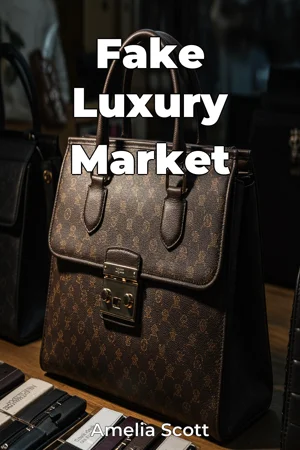
"Fake Luxury Market" unveils the extensive world of counterfeit luxury goods, highlighting its significant economic impact and consumer deception. The book explores how the allure of luxury fuels a market that undermines legitimate businesses and erodes consumer trust. It dissects the motivations behind consumer demand for fakes, revealing insights into aspirational consumerism and the pursuit of social status. Readers will learn that the current strategies to combat counterfeiting may be inadequate to protect Economic stability. The book progresses logically, first establishing the scope of the problem before quantifying the economic losses incurred by luxury brands. It then examines the psychology of consumers who knowingly purchase counterfeit goods, followed by an investigation into legal frameworks and anti-counterfeiting measures. Drawing on economic data, legal case studies, and consumer surveys, "Fake Luxury Market" provides a comprehensive analysis. The book uniquely emphasizes actionable strategies for businesses, policymakers, and consumers, proposing a multifaceted approach that includes stricter enforcement and consumer education.
Book Details
ISBN
9788235216496
Publisher
Publifye AS
Your Licenses
You don't own any licenses for this book
Purchase a license below to unlock this book and download the EPUB.
Purchase License
Select a tier to unlock this book
Need bulk licensing?
Contact us for enterprise agreements.