
About This Book
Can fashion truly be sustainable, ethical, and technologically advanced all at once? "The Future of Fashion" explores the critical intersection of technology, artificial intelligence, and sustainability, arguing that the next era of fashion will be defined by its ability to harmonize these seemingly disparate forces. This book is vital reading for anyone seeking to understand how these changes will impact the fashion industry, consumers, and the planet. The core of this book revolves around three interconnected themes: the transformative power of technology in design and production, the integration of AI to personalize and optimize the fashion experience, and the urgent imperative of environmental and social sustainability. These themes are important because the fashion industry is a major polluter and faces increasing pressure to adopt more responsible practices. Technology and AI offer potential solutions, but their implementation requires careful consideration of ethical implications and practical challenges. Readers should possess a general awareness of current environmental concerns and a basic understanding of digital technologies. "The Future of Fashion" builds upon the historical context of fashion's evolution, from haute couture to mass production, underscoring the environmental and social costs associated with the industry's growth. It examines previous attempts at sustainable practices, revealing the limitations of earlier approaches. The central argument is that only a holistic, integrated approach—leveraging technology and AI to drive sustainability throughout the entire value chain—can truly reshape fashion for the better. The book unfolds in three primary sections. First, it lays the groundwork by exploring the technological innovations reshaping fashion, such as 3D printing, advanced textiles, and supply chain automation. Second, it delves into the role of AI in personalizing consumer experiences, predicting trends, and optimizing inventory management, while also addressing concerns about data privacy and algorithmic bias. Third, the book culminates in a detailed analysis of sustainability challenges and opportunities, including circular economy models, ethical sourcing, and reducing waste. Each section builds upon the previous, culminating in a comprehensive vision for the future of fashion. The evidence presented is drawn from a range of sources, including case studies of pioneering companies, data from industry reports, and insights from interviews with designers, technologists, and sustainability experts. The research will also incorporate emerging scientific findings related to textile production, waste management, and consumer behavior. "The Future of Fashion" also connects to other disciplines. Firstly, it links to environmental science, particularly in its exploration of sustainable materials and the environmental impact of manufacturing processes. Secondly, it intersects with computer science, examining the algorithms and technologies that drive AI applications in fashion. Thirdly, it has connections with business ethics, addressing the social and labor issues that companies must consider when transforming supply chains. These interdisciplinary connections strengthen the book's argument by providing a more comprehensive and nuanced perspective on the future of fashion. This book adopts a practical, solution-oriented approach, presenting real-world examples and actionable strategies that businesses and consumers can implement. The writing style is accessible and engaging, avoiding overly technical jargon while maintaining accuracy and depth. This book is intended for fashion industry professionals, students, researchers, and consumers who are interested in understanding the future landscape of fashion. It provides valuable insights for those seeking to innovate, lead, or simply make more informed choices in a rapidly changing world. As a work of business and technology, "The Future of Fashion" adheres to the genre by providing data-driven analysis, case studies, and strategic recommendations. The scope of the book is intentionally broad, covering a wide range of technological and sustainability-related aspects of the industry. However, it does not delve into specific design aesthetics or artistic trends, focusing instead on the systemic changes that will shape the future of fashion. Readers will learn how to evaluate the sustainability claims of fashion brands, understand the potential of AI-powered personalization, and identify opportunities to leverage technology for positive change. The book addresses the ongoing debate about the trade-offs between economic growth and environmental protection in the fashion industry. While exploring the optimism around technological solutions, this book also acknowledges the importance of responsible implementation and ethical oversight.
Can fashion truly be sustainable, ethical, and technologically advanced all at once? "The Future of Fashion" explores the critical intersection of technology, artificial intelligence, and sustainability, arguing that the next era of fashion will be defined by its ability to harmonize these seemingly disparate forces. This book is vital reading for anyone seeking to understand how these changes will impact the fashion industry, consumers, and the planet. The core of this book revolves around three interconnected themes: the transformative power of technology in design and production, the integration of AI to personalize and optimize the fashion experience, and the urgent imperative of environmental and social sustainability. These themes are important because the fashion industry is a major polluter and faces increasing pressure to adopt more responsible practices. Technology and AI offer potential solutions, but their implementation requires careful consideration of ethical implications and practical challenges. Readers should possess a general awareness of current environmental concerns and a basic understanding of digital technologies. "The Future of Fashion" builds upon the historical context of fashion's evolution, from haute couture to mass production, underscoring the environmental and social costs associated with the industry's growth. It examines previous attempts at sustainable practices, revealing the limitations of earlier approaches. The central argument is that only a holistic, integrated approach—leveraging technology and AI to drive sustainability throughout the entire value chain—can truly reshape fashion for the better. The book unfolds in three primary sections. First, it lays the groundwork by exploring the technological innovations reshaping fashion, such as 3D printing, advanced textiles, and supply chain automation. Second, it delves into the role of AI in personalizing consumer experiences, predicting trends, and optimizing inventory management, while also addressing concerns about data privacy and algorithmic bias. Third, the book culminates in a detailed analysis of sustainability challenges and opportunities, including circular economy models, ethical sourcing, and reducing waste. Each section builds upon the previous, culminating in a comprehensive vision for the future of fashion. The evidence presented is drawn from a range of sources, including case studies of pioneering companies, data from industry reports, and insights from interviews with designers, technologists, and sustainability experts. The research will also incorporate emerging scientific findings related to textile production, waste management, and consumer behavior. "The Future of Fashion" also connects to other disciplines. Firstly, it links to environmental science, particularly in its exploration of sustainable materials and the environmental impact of manufacturing processes. Secondly, it intersects with computer science, examining the algorithms and technologies that drive AI applications in fashion. Thirdly, it has connections with business ethics, addressing the social and labor issues that companies must consider when transforming supply chains. These interdisciplinary connections strengthen the book's argument by providing a more comprehensive and nuanced perspective on the future of fashion. This book adopts a practical, solution-oriented approach, presenting real-world examples and actionable strategies that businesses and consumers can implement. The writing style is accessible and engaging, avoiding overly technical jargon while maintaining accuracy and depth. This book is intended for fashion industry professionals, students, researchers, and consumers who are interested in understanding the future landscape of fashion. It provides valuable insights for those seeking to innovate, lead, or simply make more informed choices in a rapidly changing world. As a work of business and technology, "The Future of Fashion" adheres to the genre by providing data-driven analysis, case studies, and strategic recommendations. The scope of the book is intentionally broad, covering a wide range of technological and sustainability-related aspects of the industry. However, it does not delve into specific design aesthetics or artistic trends, focusing instead on the systemic changes that will shape the future of fashion. Readers will learn how to evaluate the sustainability claims of fashion brands, understand the potential of AI-powered personalization, and identify opportunities to leverage technology for positive change. The book addresses the ongoing debate about the trade-offs between economic growth and environmental protection in the fashion industry. While exploring the optimism around technological solutions, this book also acknowledges the importance of responsible implementation and ethical oversight.
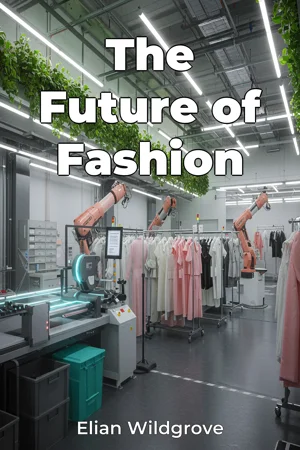
"The Future of Fashion" examines how technology, AI, and sustainability are converging to reshape the fashion industry. It argues that fashion's next era hinges on harmonizing these forces to address the industry's significant environmental impact, revealing the limitations of past sustainability attempts. The book explores how 3D printing and advanced textiles are revolutionizing design and production, offering potential solutions for a circular economy. AI's role in personalizing consumer experiences and optimizing supply chains is also a key focus, yet it acknowledges concerns about data privacy and algorithmic bias. The book analyzes sustainability challenges, ethical sourcing, and waste reduction, presenting real-world examples. Progressing through sections on technology, AI, and sustainability, it provides a comprehensive vision for industry professionals and consumers seeking to understand and navigate the future of fashion.
Book Details
ISBN
9788235216489
Publisher
Publifye AS
Your Licenses
You don't own any licenses for this book
Purchase a license below to unlock this book and download the EPUB.
Purchase License
Select a tier to unlock this book
Need bulk licensing?
Contact us for enterprise agreements.