
About This Book
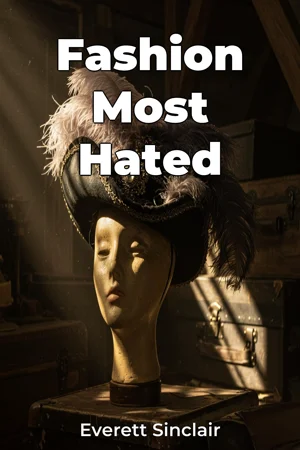
Why do some fashion trends ignite passionate debate and even outright animosity? "Fashion Most Hated" delves into the history of apparel and design choices that have provoked strong negative reactions, examining the complex interplay of social norms, cultural values, and individual expression that fuels fashion controversies. This book explores the evolution of taste, the psychology of aversion, and the recurring patterns that define what makes a fashion trend truly "hated." This book will address two central topics. First, we investigate specific garments and styles that sparked widespread condemnation. From the hobble skirt's restriction of movement to the perceived vulgarity of low-rise jeans, we analyze the historical context and societal anxieties that contributed to each trend's unpopularity. Second, we scrutinize the underlying reasons for fashion-related outrage, exploring themes such as cultural appropriation, defiance of gender norms, and perceived economic disparity displayed through clothing. Understanding these recurring themes provides insight into the ever-shifting boundaries of acceptable self-presentation. To understand fashion controversies, we delve into the societal contexts that frame them. We consider how evolving standards of modesty, changing perceptions of the body, and the democratization (or perceived degradation) of style impact what is considered fashionable. We also explore the role of media, from print publications to social media, in amplifying both the embrace and the rejection of particular styles, as well as the influence of designers and celebrities in shaping the trends themselves. The central argument of "Fashion Most Hated" is that seemingly superficial fashion controversies often reflect deeper societal anxieties and power dynamics. The visceral reactions to certain trends are rarely solely about aesthetics but also about unspoken rules, social hierarchies, and the constant negotiation of identity and belonging. By examining fashion controversies through a critical lens, we can gain a deeper understanding of the values and prejudices that shape our culture. The book is structured to guide the reader through a journey of understanding the complexities of disliked fashion. The introduction establishes the framework for analyzing fashion controversies, outlining key concepts and methodologies. The following sections each focus on specific categories of "hated" fashion – for example, designs deemed culturally appropriative, those viewed as physically restrictive or dangerous, or styles considered excessively revealing. Each chapter will examine specific examples within these categories, providing historical context, analyzing the nature of the backlash, and drawing conclusions about the underlying social dynamics at play. The concluding chapter synthesizes these findings, offering a comprehensive view of the forces that shape fashion aversion and suggesting ways to engage with fashion in a more thoughtful and critical way. The book relies on a range of evidence, including historical fashion publications, news articles, advertisements, and social media commentary. It also draws upon academic research in fashion studies, sociology, and cultural theory. The inclusion of firsthand accounts from designers, critics, and individuals impacted by fashion controversies adds a personal dimension to the analysis. "Fashion Most Hated" connects to fields beyond design including cultural studies, sociology, and history. By exploring the cultural significance of clothing and its impact on identity and social interactions, the book provides an interdisciplinary analysis of fashion controversies. The book's unique perspective lies in its comprehensive exploration of the "negative" side of fashion, offering a counterpoint to the more celebratory narratives that often dominate discussions of style. Written in an accessible and engaging style, "Fashion Most Hated" targets anyone interested in fashion, culture, and social dynamics. It will particularly appeal to students of design, history, and sociology, as well as fashion enthusiasts and those who are curious about the hidden meanings behind the clothes we wear. As a work of historical design, the book adheres to the standards of rigorous research and evidence-based analysis but presents its findings in a way that is both informative and entertaining. While the book aims to provide a broad overview of fashion controversies across different cultures and time periods, it does not attempt to be exhaustive. The selection of specific examples is necessarily limited by space constraints, and the focus is primarily on Western fashion trends. However, the methodologies and analytical frameworks presented can be applied to the study of fashion controversies in any cultural context. The insights offered by "Fashion Most Hated" have practical applications for designers, marketers, and consumers alike. Designers can use this knowledge to create more culturally sensitive and ethically responsible designs, while marketers can avoid perpetuating harmful stereotypes or promoting trends that are likely to provoke backlash. Consumers can become more informed and discerning in their fashion choices, considering the social and cultural implications of their clothing. Fashion is constantly generating new debates, and the knowledge offered here can improve the ways that individuals engage with fashion in their daily lives.
Why do some fashion trends ignite passionate debate and even outright animosity? "Fashion Most Hated" delves into the history of apparel and design choices that have provoked strong negative reactions, examining the complex interplay of social norms, cultural values, and individual expression that fuels fashion controversies. This book explores the evolution of taste, the psychology of aversion, and the recurring patterns that define what makes a fashion trend truly "hated." This book will address two central topics. First, we investigate specific garments and styles that sparked widespread condemnation. From the hobble skirt's restriction of movement to the perceived vulgarity of low-rise jeans, we analyze the historical context and societal anxieties that contributed to each trend's unpopularity. Second, we scrutinize the underlying reasons for fashion-related outrage, exploring themes such as cultural appropriation, defiance of gender norms, and perceived economic disparity displayed through clothing. Understanding these recurring themes provides insight into the ever-shifting boundaries of acceptable self-presentation. To understand fashion controversies, we delve into the societal contexts that frame them. We consider how evolving standards of modesty, changing perceptions of the body, and the democratization (or perceived degradation) of style impact what is considered fashionable. We also explore the role of media, from print publications to social media, in amplifying both the embrace and the rejection of particular styles, as well as the influence of designers and celebrities in shaping the trends themselves. The central argument of "Fashion Most Hated" is that seemingly superficial fashion controversies often reflect deeper societal anxieties and power dynamics. The visceral reactions to certain trends are rarely solely about aesthetics but also about unspoken rules, social hierarchies, and the constant negotiation of identity and belonging. By examining fashion controversies through a critical lens, we can gain a deeper understanding of the values and prejudices that shape our culture. The book is structured to guide the reader through a journey of understanding the complexities of disliked fashion. The introduction establishes the framework for analyzing fashion controversies, outlining key concepts and methodologies. The following sections each focus on specific categories of "hated" fashion – for example, designs deemed culturally appropriative, those viewed as physically restrictive or dangerous, or styles considered excessively revealing. Each chapter will examine specific examples within these categories, providing historical context, analyzing the nature of the backlash, and drawing conclusions about the underlying social dynamics at play. The concluding chapter synthesizes these findings, offering a comprehensive view of the forces that shape fashion aversion and suggesting ways to engage with fashion in a more thoughtful and critical way. The book relies on a range of evidence, including historical fashion publications, news articles, advertisements, and social media commentary. It also draws upon academic research in fashion studies, sociology, and cultural theory. The inclusion of firsthand accounts from designers, critics, and individuals impacted by fashion controversies adds a personal dimension to the analysis. "Fashion Most Hated" connects to fields beyond design including cultural studies, sociology, and history. By exploring the cultural significance of clothing and its impact on identity and social interactions, the book provides an interdisciplinary analysis of fashion controversies. The book's unique perspective lies in its comprehensive exploration of the "negative" side of fashion, offering a counterpoint to the more celebratory narratives that often dominate discussions of style. Written in an accessible and engaging style, "Fashion Most Hated" targets anyone interested in fashion, culture, and social dynamics. It will particularly appeal to students of design, history, and sociology, as well as fashion enthusiasts and those who are curious about the hidden meanings behind the clothes we wear. As a work of historical design, the book adheres to the standards of rigorous research and evidence-based analysis but presents its findings in a way that is both informative and entertaining. While the book aims to provide a broad overview of fashion controversies across different cultures and time periods, it does not attempt to be exhaustive. The selection of specific examples is necessarily limited by space constraints, and the focus is primarily on Western fashion trends. However, the methodologies and analytical frameworks presented can be applied to the study of fashion controversies in any cultural context. The insights offered by "Fashion Most Hated" have practical applications for designers, marketers, and consumers alike. Designers can use this knowledge to create more culturally sensitive and ethically responsible designs, while marketers can avoid perpetuating harmful stereotypes or promoting trends that are likely to provoke backlash. Consumers can become more informed and discerning in their fashion choices, considering the social and cultural implications of their clothing. Fashion is constantly generating new debates, and the knowledge offered here can improve the ways that individuals engage with fashion in their daily lives.
"Fashion Most Hated" explores why certain fashion trends spark intense dislike, examining the history of controversial apparel through the lens of social norms, cultural values, and individual expression. The book delves into specific garments like the hobble skirt and low-rise jeans, analyzing the historical context and societal anxieties that fueled their unpopularity. It also scrutinizes underlying reasons for fashion outrage, such as cultural appropriation and defiance of gender norms. The book argues that fashion controversies often reflect deeper social anxieties and power dynamics, where reactions are rarely solely about aesthetics but also about unspoken rules and social hierarchies. By examining examples of "hated fashion," it sheds light on the values and prejudices shaping culture. The book progresses by establishing a framework for analyzing controversies, then focusing on specific categories like culturally appropriative or physically restrictive designs. Drawing on diverse sources such as historical publications and social media commentary, the book offers a unique perspective by exploring the "negative" side of fashion, contrasting with celebratory narratives. Ultimately, it provides a comprehensive view of the forces shaping fashion aversion and encourages more thoughtful engagement with fashion.
Book Details
ISBN
9788235216465
Publisher
Publifye AS
Your Licenses
You don't own any licenses for this book
Purchase a license below to unlock this book and download the EPUB.
Purchase License
Select a tier to unlock this book
Need bulk licensing?
Contact us for enterprise agreements.