
About This Book
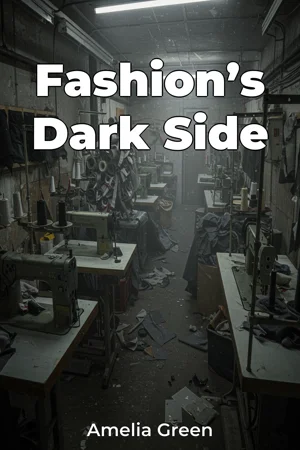
What price do we pay for the clothes we wear? *Fashion’s Dark Side* pulls back the curtain on the fashion industry, exposing the systemic unethical practices of sweatshops, forced labor, and rampant exploitation that underpin the production of our garments. This book addresses the urgent need for greater transparency and accountability within the global fashion supply chain. The book tackles three primary areas of concern: the prevalence of sweatshop conditions in garment factories, the use of forced labor in the sourcing of raw materials, and the overall exploitation of workers throughout the fashion supply chain. These issues are significant because they represent profound human rights violations and environmental injustices, contributing to a cycle of poverty and unsustainable practices. Understanding these problems is vital for consumers, businesses, and policymakers alike, as collective action is essential to drive meaningful change. Historically, the relentless pursuit of lower production costs has fueled the growth of unethical practices in the fashion industry. Globalization has enabled companies to move production to countries with weaker labor laws and environmental regulations, creating opportunities for exploitation. Social media has amplified awareness of these abuses, leading to growing consumer demand for ethical and sustainable fashion choices. At its core, this book argues that the fashion industry's current business model, which prioritizes profit over people and the planet, is inherently unsustainable and unethical. The central claim emphasizes that genuine sustainability requires a fundamental shift toward transparency, fair labor practices, and responsible consumption patterns. This argument is crucial because it challenges the status quo and calls for a radical transformation of the industry. The book unfolds systematically. Part one introduces the concept of "fast fashion" and its detrimental impact on workers and the environment. Part two delves into the specifics of sweatshop labor, detailing the harsh working conditions, low wages, and lack of worker protections in garment factories. Part three examines the issue of forced labor in the production of raw materials like cotton and textiles. The book culminates with a discussion of potential solutions, including supply chain transparency, fair trade initiatives, and conscious consumerism. This book relies on a comprehensive range of evidence, including investigative reports from human rights organizations, academic research on labor practices, and case studies of companies that have successfully implemented ethical sourcing strategies. It also draws on interviews with garment workers, industry experts, and policymakers to provide a multi-faceted perspective on the problem. *Fashion’s Dark Side* connects to multiple disciplines. Firstly, the book intersects with economics by examining the economic incentives that drive unethical practices. Secondly, it relates to sociology by exploring the social and cultural factors that contribute to consumerism and the demand for cheap clothing. Thirdly, it connects to environmental science through discussions of the environmental impact of textile production and waste. What sets this book apart is its holistic approach. It doesn't just highlight the problems but also offers practical solutions and actionable strategies for creating a more responsible and sustainable fashion industry. The tone of the book is fact-based and objective, presenting information in a clear and accessible manner. While the subject matter is serious, the writing style remains engaging and hopeful, focusing on the potential for positive change. The primary audience is consumers seeking to make more informed purchasing decisions, business professionals looking to implement ethical sourcing practices, and policymakers interested in regulating the fashion industry. It is also relevant for students and academics in fields such as business, economics, sociology, and environmental studies. As a work of non-fiction, this book adheres to the genre's commitment to accuracy and objectivity. It presents information in a clear, structured manner, supported by evidence and research. It aims to inform and educate readers, empowering them to take action and advocate for change. While *Fashion’s Dark Side* provides a comprehensive overview of the ethical challenges facing the fashion industry, it primarily focuses on the production side of the supply chain. It doesn't delve deeply into issues such as marketing, retail, or post-consumer waste management. Ultimately, this book aims to provide readers with the knowledge and tools they need to support ethical and sustainable fashion choices. It offers practical guidance on how to identify brands committed to fair labor practices, how to reduce consumption, and how to advocate for policy changes that promote greater transparency and accountability. The book acknowledges that there are ongoing debates within the fashion industry regarding the best approaches to sustainability. It addresses the criticisms leveled against some "sustainable" brands, which have been accused of "greenwashing," and explores the challenges of balancing economic viability with ethical considerations.
What price do we pay for the clothes we wear? *Fashion’s Dark Side* pulls back the curtain on the fashion industry, exposing the systemic unethical practices of sweatshops, forced labor, and rampant exploitation that underpin the production of our garments. This book addresses the urgent need for greater transparency and accountability within the global fashion supply chain. The book tackles three primary areas of concern: the prevalence of sweatshop conditions in garment factories, the use of forced labor in the sourcing of raw materials, and the overall exploitation of workers throughout the fashion supply chain. These issues are significant because they represent profound human rights violations and environmental injustices, contributing to a cycle of poverty and unsustainable practices. Understanding these problems is vital for consumers, businesses, and policymakers alike, as collective action is essential to drive meaningful change. Historically, the relentless pursuit of lower production costs has fueled the growth of unethical practices in the fashion industry. Globalization has enabled companies to move production to countries with weaker labor laws and environmental regulations, creating opportunities for exploitation. Social media has amplified awareness of these abuses, leading to growing consumer demand for ethical and sustainable fashion choices. At its core, this book argues that the fashion industry's current business model, which prioritizes profit over people and the planet, is inherently unsustainable and unethical. The central claim emphasizes that genuine sustainability requires a fundamental shift toward transparency, fair labor practices, and responsible consumption patterns. This argument is crucial because it challenges the status quo and calls for a radical transformation of the industry. The book unfolds systematically. Part one introduces the concept of "fast fashion" and its detrimental impact on workers and the environment. Part two delves into the specifics of sweatshop labor, detailing the harsh working conditions, low wages, and lack of worker protections in garment factories. Part three examines the issue of forced labor in the production of raw materials like cotton and textiles. The book culminates with a discussion of potential solutions, including supply chain transparency, fair trade initiatives, and conscious consumerism. This book relies on a comprehensive range of evidence, including investigative reports from human rights organizations, academic research on labor practices, and case studies of companies that have successfully implemented ethical sourcing strategies. It also draws on interviews with garment workers, industry experts, and policymakers to provide a multi-faceted perspective on the problem. *Fashion’s Dark Side* connects to multiple disciplines. Firstly, the book intersects with economics by examining the economic incentives that drive unethical practices. Secondly, it relates to sociology by exploring the social and cultural factors that contribute to consumerism and the demand for cheap clothing. Thirdly, it connects to environmental science through discussions of the environmental impact of textile production and waste. What sets this book apart is its holistic approach. It doesn't just highlight the problems but also offers practical solutions and actionable strategies for creating a more responsible and sustainable fashion industry. The tone of the book is fact-based and objective, presenting information in a clear and accessible manner. While the subject matter is serious, the writing style remains engaging and hopeful, focusing on the potential for positive change. The primary audience is consumers seeking to make more informed purchasing decisions, business professionals looking to implement ethical sourcing practices, and policymakers interested in regulating the fashion industry. It is also relevant for students and academics in fields such as business, economics, sociology, and environmental studies. As a work of non-fiction, this book adheres to the genre's commitment to accuracy and objectivity. It presents information in a clear, structured manner, supported by evidence and research. It aims to inform and educate readers, empowering them to take action and advocate for change. While *Fashion’s Dark Side* provides a comprehensive overview of the ethical challenges facing the fashion industry, it primarily focuses on the production side of the supply chain. It doesn't delve deeply into issues such as marketing, retail, or post-consumer waste management. Ultimately, this book aims to provide readers with the knowledge and tools they need to support ethical and sustainable fashion choices. It offers practical guidance on how to identify brands committed to fair labor practices, how to reduce consumption, and how to advocate for policy changes that promote greater transparency and accountability. The book acknowledges that there are ongoing debates within the fashion industry regarding the best approaches to sustainability. It addresses the criticisms leveled against some "sustainable" brands, which have been accused of "greenwashing," and explores the challenges of balancing economic viability with ethical considerations.
*Fashion's Dark Side* exposes the unethical practices plaguing the fashion industry, revealing how the relentless pursuit of low production costs fuels sweatshops, forced labor, and worker exploitation within the global supply chain. The book underscores the urgent need for transparency and accountability. For example, globalization has allowed companies to move production to countries with weaker labor laws, leading to widespread exploitation. The book argues that prioritizing profit over people and planet is unsustainable. The book systematically progresses, beginning with an introduction to "fast fashion" and its detrimental impacts. It then delves into sweatshop labor, detailing harsh conditions and low wages, before examining forced labor in raw material production like cotton. It concludes with potential solutions, such as supply chain transparency and conscious consumerism. Consumers, business professionals, and policymakers alike will find valuable insights in this holistic approach, which doesn't just highlight problems but offers actionable strategies for a more responsible and sustainable garment industry.
Book Details
ISBN
9788235216403
Publisher
Publifye AS
Your Licenses
You don't own any licenses for this book
Purchase a license below to unlock this book and download the EPUB.
Purchase License
Select a tier to unlock this book
Need bulk licensing?
Contact us for enterprise agreements.