
About This Book
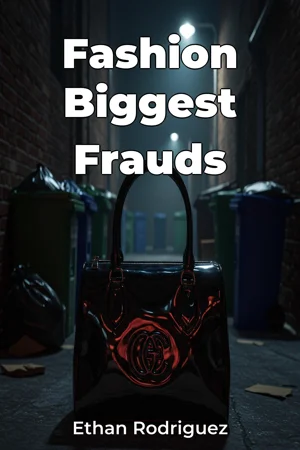
How much of the luxury we covet is real, and how much is carefully constructed artifice? "Fashion's Biggest Frauds" delves into the underbelly of the high fashion industry, exposing the counterfeit scandals, fake designers, and fraudulent marketing schemes that plague this glamorous world. It's a deep dive into the business of deception, revealing how these practices not only cheat consumers but also undermine the integrity of established design houses and talented independent creators. This book examines three core areas: the widespread manufacturing and distribution of counterfeit goods, the deceptive rise of "fake designers" who capitalize on stolen ideas or misrepresented credentials, and the ethically dubious marketing tactics employed to inflate brand value and consumer desire. These components are critical to understanding the pervasive fraud within the fashion ecosystem and its damaging effects. We will trace the historical evolution of counterfeiting, from small-scale imitations to today's sophisticated global networks. We'll also explore the legal and ethical frameworks designed to protect intellectual property and combat fraud, assessing their effectiveness in the face of increasingly complex schemes. An understanding of trademark law and consumer protection regulations is crucial to navigating this landscape. The central argument is that the pervasive fraud in high fashion is not simply a matter of isolated incidents but a systemic issue fueled by consumer demand for exclusivity, coupled with a lack of transparency and accountability within the industry. This creates an environment where deception can thrive, ultimately eroding trust and devaluing genuine creativity. The book begins by introducing the key players and defining the different types of fashion fraud. It then develops these ideas through three major sections. First, it dissects the manufacturing and distribution networks behind counterfeit goods, tracing their origins, methods, and impact on luxury brands. Secondly, it explores the phenomena of "fake designers," examining case studies of individuals or brands who have built their reputations on stolen designs or fabricated credentials. Finally, it analyzes the fraudulent marketing tactics used to manipulate consumer perceptions of value and exclusivity. The book culminates by examining the potential solutions and strategies for combating fashion fraud, including technological innovations, stricter regulations, and increased consumer awareness. Evidence presented within these pages include legal documents from landmark cases, interviews with industry experts and victims of fraud, and data from market research reports analyzing the prevalence of counterfeit goods. Unique data sources, such as customs seizure reports and online marketplace analyses, offer a comprehensive picture of the global scale of the problem. This investigation into fashion fraud intersects with fields such as law, economics, and sociology. The legal aspects involve intellectual property rights and consumer protection laws. The economic implications cover the financial losses suffered by brands and the impact on legitimate businesses. The sociological aspects explore consumer behavior, the psychology of luxury, and the cultural factors that contribute to the demand for counterfeit goods. This book offers a unique perspective by combining rigorous research with real-world case studies, exposing the intricate mechanisms behind fashion fraud. It adopts a narrative non-fiction style, making complex information accessible and engaging for a broad audience. The target audience includes fashion enthusiasts, business students, legal professionals, and anyone interested in the ethical and economic implications of consumerism. This book will be valuable to them because it provides a comprehensive understanding of the challenges facing the fashion industry and empowers them to make informed choices as consumers and professionals. As a true-crime investigation within the business world, the book adheres to genre conventions by presenting factual information, compelling narratives, and clear analysis of evidence. The scope of the book is limited to high fashion, with a focus on luxury brands and designer goods. It does not delve into the broader issues of fast fashion or mass-market counterfeiting, although some parallels may be drawn. The information presented can be applied in various ways. Consumers can learn to identify counterfeit goods and avoid supporting unethical practices. Businesses can gain insights into protecting their intellectual property and mitigating the risks of fraud. Policymakers can use the findings to inform the development of more effective regulations and enforcement strategies. Ongoing debates in the fashion industry, such as the balance between protecting intellectual property and fostering creativity, and the role of social media in promoting both genuine and fraudulent goods, are addressed throughout the book.
How much of the luxury we covet is real, and how much is carefully constructed artifice? "Fashion's Biggest Frauds" delves into the underbelly of the high fashion industry, exposing the counterfeit scandals, fake designers, and fraudulent marketing schemes that plague this glamorous world. It's a deep dive into the business of deception, revealing how these practices not only cheat consumers but also undermine the integrity of established design houses and talented independent creators. This book examines three core areas: the widespread manufacturing and distribution of counterfeit goods, the deceptive rise of "fake designers" who capitalize on stolen ideas or misrepresented credentials, and the ethically dubious marketing tactics employed to inflate brand value and consumer desire. These components are critical to understanding the pervasive fraud within the fashion ecosystem and its damaging effects. We will trace the historical evolution of counterfeiting, from small-scale imitations to today's sophisticated global networks. We'll also explore the legal and ethical frameworks designed to protect intellectual property and combat fraud, assessing their effectiveness in the face of increasingly complex schemes. An understanding of trademark law and consumer protection regulations is crucial to navigating this landscape. The central argument is that the pervasive fraud in high fashion is not simply a matter of isolated incidents but a systemic issue fueled by consumer demand for exclusivity, coupled with a lack of transparency and accountability within the industry. This creates an environment where deception can thrive, ultimately eroding trust and devaluing genuine creativity. The book begins by introducing the key players and defining the different types of fashion fraud. It then develops these ideas through three major sections. First, it dissects the manufacturing and distribution networks behind counterfeit goods, tracing their origins, methods, and impact on luxury brands. Secondly, it explores the phenomena of "fake designers," examining case studies of individuals or brands who have built their reputations on stolen designs or fabricated credentials. Finally, it analyzes the fraudulent marketing tactics used to manipulate consumer perceptions of value and exclusivity. The book culminates by examining the potential solutions and strategies for combating fashion fraud, including technological innovations, stricter regulations, and increased consumer awareness. Evidence presented within these pages include legal documents from landmark cases, interviews with industry experts and victims of fraud, and data from market research reports analyzing the prevalence of counterfeit goods. Unique data sources, such as customs seizure reports and online marketplace analyses, offer a comprehensive picture of the global scale of the problem. This investigation into fashion fraud intersects with fields such as law, economics, and sociology. The legal aspects involve intellectual property rights and consumer protection laws. The economic implications cover the financial losses suffered by brands and the impact on legitimate businesses. The sociological aspects explore consumer behavior, the psychology of luxury, and the cultural factors that contribute to the demand for counterfeit goods. This book offers a unique perspective by combining rigorous research with real-world case studies, exposing the intricate mechanisms behind fashion fraud. It adopts a narrative non-fiction style, making complex information accessible and engaging for a broad audience. The target audience includes fashion enthusiasts, business students, legal professionals, and anyone interested in the ethical and economic implications of consumerism. This book will be valuable to them because it provides a comprehensive understanding of the challenges facing the fashion industry and empowers them to make informed choices as consumers and professionals. As a true-crime investigation within the business world, the book adheres to genre conventions by presenting factual information, compelling narratives, and clear analysis of evidence. The scope of the book is limited to high fashion, with a focus on luxury brands and designer goods. It does not delve into the broader issues of fast fashion or mass-market counterfeiting, although some parallels may be drawn. The information presented can be applied in various ways. Consumers can learn to identify counterfeit goods and avoid supporting unethical practices. Businesses can gain insights into protecting their intellectual property and mitigating the risks of fraud. Policymakers can use the findings to inform the development of more effective regulations and enforcement strategies. Ongoing debates in the fashion industry, such as the balance between protecting intellectual property and fostering creativity, and the role of social media in promoting both genuine and fraudulent goods, are addressed throughout the book.
"Fashion's Biggest Frauds" exposes the deceptive practices plaguing the high fashion industry, revealing how counterfeit scandals, fake designers, and fraudulent marketing schemes undermine both consumers and established brands. The book dives into the business of deception, highlighting that the demand for exclusivity, coupled with a lack of industry transparency, fuels a system where fraud thrives. For example, the book explores how counterfeit goods, often indistinguishable from authentic items, flood the market, impacting luxury brands and eroding consumer trust. The book begins by defining the key players and various forms of fashion fraud. It then dissects the manufacturing and distribution networks behind counterfeit goods, explores the rise of "fake designers" capitalizing on stolen ideas, and analyzes fraudulent marketing tactics used to manipulate consumer perceptions. By tracing the historical evolution of counterfeiting and examining legal and ethical frameworks, "Fashion's Biggest Frauds" provides a comprehensive understanding of these issues. It also offers potential solutions, including technological innovations and stricter regulations, making it a valuable resource for fashion enthusiasts, business students, and legal professionals alike.
Book Details
ISBN
9788235216359
Publisher
Publifye AS
Your Licenses
You don't own any licenses for this book
Purchase a license below to unlock this book and download the EPUB.
Purchase License
Select a tier to unlock this book
Need bulk licensing?
Contact us for enterprise agreements.