
About This Book
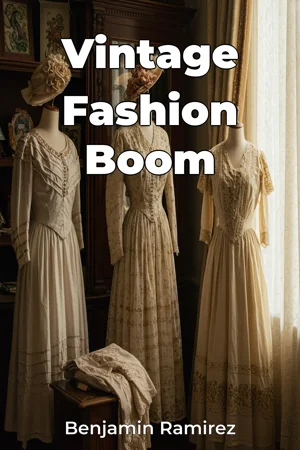
Why are closets overflowing with fast fashion staples while vintage boutiques are experiencing unprecedented growth? "Vintage Fashion Boom" explores the resurgence of secondhand clothing and its profound impact on the retail landscape, examining a market shift driven by sustainability concerns, evolving consumer preferences, and the allure of unique style. This book delves into three core aspects of the vintage fashion phenomenon. First, we analyze the environmental and ethical implications of fast fashion that have propelled consumers to seek alternatives. Understanding the detrimental effects of textile production, labor practices, and waste management is paramount. Second, we investigate the changing dynamics of consumer behavior, focusing on how social media, influencer culture, and a growing desire for self-expression through individual style contribute to the boom. Finally, the book examines the business side of vintage fashion, from independent boutiques and online marketplaces to the strategies employed by major retailers to capitalize on this growing trend. To fully grasp the current boom, historical context is essential. The book traces the evolution of secondhand clothing from necessity-driven consumption during periods of economic hardship to its present status as a coveted form of self-expression and sustainable practice. Understanding the cyclical nature of fashion trends and the historical perception of secondhand garments is crucial. The central argument of "Vintage Fashion Boom" is that the resurgence of secondhand clothing represents a fundamental shift in consumer values and retail practices, moving away from disposable fashion toward a more circular, sustainable, and individualized approach. This shift has far-reaching consequences for the environment, the economy, and the cultural landscape of fashion. The book begins by defining vintage fashion and outlining the key drivers behind its growth. Subsequent chapters explore the environmental impact of the fashion industry, the ethical considerations of garment production, and the role of social media in promoting vintage culture. We then analyze the strategies employed by independent vintage businesses, online platforms, and major retailers. The book culminates by considering the future of vintage fashion and its potential to reshape the entire retail industry toward greater sustainability and circularity. This analysis relies on a combination of primary and secondary research. We draw upon industry reports, academic studies, and market data to quantify the growth of the vintage fashion market. Moreover, the book includes interviews with vintage store owners, fashion designers, and consumers to provide firsthand perspectives on the trend. "Vintage Fashion Boom" connects to several disciplines including environmental science, sociology, and business management. The environmental implications of textile waste connect to broader discussions of climate change and resource depletion. The sociological aspects of consumer behavior and identity formation intersect with discussions of social media and cultural trends. The business strategies employed by vintage retailers are relevant to broader considerations of entrepreneurship, marketing, and supply chain management. This book distinguishes itself by offering a holistic view of the vintage fashion phenomenon, combining environmental, social, and economic perspectives. It goes beyond simply describing the trend, by analyzing the underlying forces driving its growth and the potential implications for the future of retail. The book is written in a clear and accessible style, aimed at a broad audience. It employs a fact-based approach, presenting information in a straightforward and objective manner. The target audience includes students and professionals in fashion, retail, and business, as well as environmentally conscious consumers. The book adheres to the conventions of the 'Design General, Design, Business' genres by providing well-researched information, data-driven analyses, and practical insights into the vintage fashion market. While the book provides a comprehensive overview of the vintage fashion market, it primarily focuses on the developed world, with some limitations on research and specific examples from emerging economies. The information in this book can be applied practically by entrepreneurs looking to start a vintage business, retailers seeking to incorporate vintage elements into their offerings, and consumers seeking to make more sustainable fashion choices. While the rise of vintage fashion is widely perceived as positive there are ongoing discussions concerning the potential for greenwashing, the accessibility of vintage fashion for consumers with limited budgets, and the challenges of ensuring ethical sourcing. These questions are addressed throughout the book, presenting diverse perspectives and encouraging critical thinking.
Why are closets overflowing with fast fashion staples while vintage boutiques are experiencing unprecedented growth? "Vintage Fashion Boom" explores the resurgence of secondhand clothing and its profound impact on the retail landscape, examining a market shift driven by sustainability concerns, evolving consumer preferences, and the allure of unique style. This book delves into three core aspects of the vintage fashion phenomenon. First, we analyze the environmental and ethical implications of fast fashion that have propelled consumers to seek alternatives. Understanding the detrimental effects of textile production, labor practices, and waste management is paramount. Second, we investigate the changing dynamics of consumer behavior, focusing on how social media, influencer culture, and a growing desire for self-expression through individual style contribute to the boom. Finally, the book examines the business side of vintage fashion, from independent boutiques and online marketplaces to the strategies employed by major retailers to capitalize on this growing trend. To fully grasp the current boom, historical context is essential. The book traces the evolution of secondhand clothing from necessity-driven consumption during periods of economic hardship to its present status as a coveted form of self-expression and sustainable practice. Understanding the cyclical nature of fashion trends and the historical perception of secondhand garments is crucial. The central argument of "Vintage Fashion Boom" is that the resurgence of secondhand clothing represents a fundamental shift in consumer values and retail practices, moving away from disposable fashion toward a more circular, sustainable, and individualized approach. This shift has far-reaching consequences for the environment, the economy, and the cultural landscape of fashion. The book begins by defining vintage fashion and outlining the key drivers behind its growth. Subsequent chapters explore the environmental impact of the fashion industry, the ethical considerations of garment production, and the role of social media in promoting vintage culture. We then analyze the strategies employed by independent vintage businesses, online platforms, and major retailers. The book culminates by considering the future of vintage fashion and its potential to reshape the entire retail industry toward greater sustainability and circularity. This analysis relies on a combination of primary and secondary research. We draw upon industry reports, academic studies, and market data to quantify the growth of the vintage fashion market. Moreover, the book includes interviews with vintage store owners, fashion designers, and consumers to provide firsthand perspectives on the trend. "Vintage Fashion Boom" connects to several disciplines including environmental science, sociology, and business management. The environmental implications of textile waste connect to broader discussions of climate change and resource depletion. The sociological aspects of consumer behavior and identity formation intersect with discussions of social media and cultural trends. The business strategies employed by vintage retailers are relevant to broader considerations of entrepreneurship, marketing, and supply chain management. This book distinguishes itself by offering a holistic view of the vintage fashion phenomenon, combining environmental, social, and economic perspectives. It goes beyond simply describing the trend, by analyzing the underlying forces driving its growth and the potential implications for the future of retail. The book is written in a clear and accessible style, aimed at a broad audience. It employs a fact-based approach, presenting information in a straightforward and objective manner. The target audience includes students and professionals in fashion, retail, and business, as well as environmentally conscious consumers. The book adheres to the conventions of the 'Design General, Design, Business' genres by providing well-researched information, data-driven analyses, and practical insights into the vintage fashion market. While the book provides a comprehensive overview of the vintage fashion market, it primarily focuses on the developed world, with some limitations on research and specific examples from emerging economies. The information in this book can be applied practically by entrepreneurs looking to start a vintage business, retailers seeking to incorporate vintage elements into their offerings, and consumers seeking to make more sustainable fashion choices. While the rise of vintage fashion is widely perceived as positive there are ongoing discussions concerning the potential for greenwashing, the accessibility of vintage fashion for consumers with limited budgets, and the challenges of ensuring ethical sourcing. These questions are addressed throughout the book, presenting diverse perspectives and encouraging critical thinking.
"Vintage Fashion Boom" explores the surging popularity of secondhand clothing, driven by growing consumer awareness of sustainable fashion and a desire for unique style. This book examines how the environmental impact of fast fashion, with its detrimental effects from textile production to waste management, has fueled a shift towards vintage and circular fashion models. The book further highlights how social media and influencer culture have amplified this trend, shaping consumer behavior and promoting self-expression through individual style. The book investigates the business strategies employed by vintage boutiques, online marketplaces, and even major retailers as they capitalize on the "fashion boom". Readers will discover intriguing facts, such as the cyclical nature of fashion trends and how secondhand clothing has transformed from a necessity to a coveted form of self-expression. This analysis provides a holistic view, combining environmental, social, and economic perspectives. Beginning with a definition of vintage fashion and its drivers, the book systematically explores the environmental and ethical considerations, the role of social media, and the strategies of various businesses. "Vintage Fashion Boom" culminates by considering the future of vintage fashion and its potential to reshape the entire retail industry towards greater sustainability.
Book Details
ISBN
9788235216342
Publisher
Publifye AS
Your Licenses
You don't own any licenses for this book
Purchase a license below to unlock this book and download the EPUB.
Purchase License
Select a tier to unlock this book
Need bulk licensing?
Contact us for enterprise agreements.