
About This Book
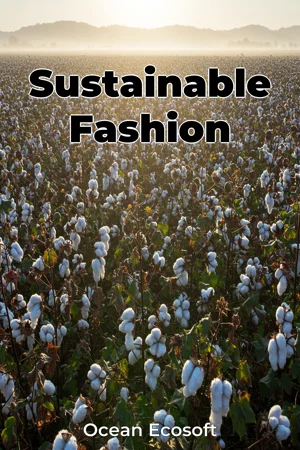
What if the clothes in your closet could help save the planet? "Sustainable Fashion" explores the rapidly evolving world of eco-friendly clothing, ethical brands, and the innovative technologies shaping the future of the fashion industry. This book argues that a fundamental shift towards sustainability is not just a trend, but a necessity for the long-term health of our planet and the well-being of garment workers worldwide. The book delves into critical areas. First, it examines the environmental impact of the fashion industry, from the water-intensive cotton farming practices to the toxic dyes used in textile manufacturing and the mountains of discarded clothing ending up in landfills. Second, it investigates the ethical considerations surrounding garment production, including fair wages, safe working conditions, and the eradication of forced labor throughout the supply chain. Finally, it explores groundbreaking innovations, such as circular economy models, bio-based textiles, and technological advancements in recycling and upcycling, which offer tangible solutions for a more sustainable industry. Understanding the history of the fashion industry, from its roots in cottage industries to the rise of fast fashion, provides crucial context for the challenges we face today. Readers will gain insight into how consumerism and globalization have contributed to unsustainable practices. No prior knowledge of the fashion industry is required; concepts are explained clearly, making the material accessible to a broad audience. "Sustainable Fashion" asserts that true sustainability requires a holistic approach, addressing environmental, social, and economic factors. This argument is vital because it highlights the interconnectedness of these issues and underscores the need for systemic change within the fashion industry. The book emphasizes that individual consumer choices, while important, are not enough; industry-wide reforms and government regulations are essential. The book is structured to provide a comprehensive overview of the subject. It begins by introducing the core concepts of sustainable fashion and outlining the scope of the environmental and social problems associated with conventional practices. It then investigates major facets of the industry: the impact of raw material extraction (cotton, synthetics), manufacturing processes (dyeing, finishing), and distribution methods. It devotes sections to the ethical implications of labor practices and the effect on communities. The book then examines solutions by exploring innovative materials and technologies, business models, and policy interventions. It concludes by offering practical guidance for consumers and businesses seeking to adopt more sustainable practices. The arguments presented are supported by data from academic research, industry reports, and case studies of companies that are pioneering sustainable practices. The text references organizations like the Ellen MacArthur Foundation, the Sustainable Apparel Coalition, and various academic institutions conducting research on sustainable textiles and supply chains. It offers statistical data on water usage, carbon emissions, and waste generation in the fashion industry. "Sustainable Fashion" connects to various fields, including environmental science, business ethics, and public policy. The discussion of environmental impact draws upon scientific research on resource depletion, pollution, and climate change. The exploration of ethical considerations connects to human rights, labor economics, and corporate social responsibility. The analysis of policy interventions relates to government regulation, international trade, and economic development. This book offers a unique perspective by integrating environmental, ethical, and technological considerations to address the complex challenges of sustainable fashion. It doesn't rely on sensationalism but emphasizes pragmatic solutions and data-driven insights. The information is presented in a clear, concise, and accessible style, avoiding jargon and technical terms where possible. The tone is optimistic and solution-oriented, empowering readers to take action and contribute to a more sustainable future. The target audience includes students, fashion professionals, policymakers, and environmentally conscious consumers seeking to understand the challenges and opportunities of creating a more sustainable fashion industry. This book will be valuable to anyone interested in making informed choices about their clothing and contributing to a more ethical and environmentally responsible world. As a business and environment-focused book, "Sustainable Fashion" adheres to expectations of factual accuracy, well-supported arguments, and practical relevance. It's not a superficial overview, but an in-depth exploration of a complex subject. The book's scope is intentionally broad, covering the entire lifecycle of clothing from raw material extraction to end-of-life disposal. However, it does not delve into specific design techniques or detailed marketing strategies. Readers will learn how to assess the sustainability of clothing brands, make informed purchasing decisions, and advocate for policy changes. Businesses will gain insights into implementing sustainable practices and building a more resilient supply chain. The book acknowledges the ongoing debates and controversies in the field, such as the effectiveness of different certification standards, the trade-offs between environmental sustainability and economic development, and the role of technology in solving the fashion industry's problems. It presents different perspectives and encourages critical thinking, providing a balanced overview of the issues.
What if the clothes in your closet could help save the planet? "Sustainable Fashion" explores the rapidly evolving world of eco-friendly clothing, ethical brands, and the innovative technologies shaping the future of the fashion industry. This book argues that a fundamental shift towards sustainability is not just a trend, but a necessity for the long-term health of our planet and the well-being of garment workers worldwide. The book delves into critical areas. First, it examines the environmental impact of the fashion industry, from the water-intensive cotton farming practices to the toxic dyes used in textile manufacturing and the mountains of discarded clothing ending up in landfills. Second, it investigates the ethical considerations surrounding garment production, including fair wages, safe working conditions, and the eradication of forced labor throughout the supply chain. Finally, it explores groundbreaking innovations, such as circular economy models, bio-based textiles, and technological advancements in recycling and upcycling, which offer tangible solutions for a more sustainable industry. Understanding the history of the fashion industry, from its roots in cottage industries to the rise of fast fashion, provides crucial context for the challenges we face today. Readers will gain insight into how consumerism and globalization have contributed to unsustainable practices. No prior knowledge of the fashion industry is required; concepts are explained clearly, making the material accessible to a broad audience. "Sustainable Fashion" asserts that true sustainability requires a holistic approach, addressing environmental, social, and economic factors. This argument is vital because it highlights the interconnectedness of these issues and underscores the need for systemic change within the fashion industry. The book emphasizes that individual consumer choices, while important, are not enough; industry-wide reforms and government regulations are essential. The book is structured to provide a comprehensive overview of the subject. It begins by introducing the core concepts of sustainable fashion and outlining the scope of the environmental and social problems associated with conventional practices. It then investigates major facets of the industry: the impact of raw material extraction (cotton, synthetics), manufacturing processes (dyeing, finishing), and distribution methods. It devotes sections to the ethical implications of labor practices and the effect on communities. The book then examines solutions by exploring innovative materials and technologies, business models, and policy interventions. It concludes by offering practical guidance for consumers and businesses seeking to adopt more sustainable practices. The arguments presented are supported by data from academic research, industry reports, and case studies of companies that are pioneering sustainable practices. The text references organizations like the Ellen MacArthur Foundation, the Sustainable Apparel Coalition, and various academic institutions conducting research on sustainable textiles and supply chains. It offers statistical data on water usage, carbon emissions, and waste generation in the fashion industry. "Sustainable Fashion" connects to various fields, including environmental science, business ethics, and public policy. The discussion of environmental impact draws upon scientific research on resource depletion, pollution, and climate change. The exploration of ethical considerations connects to human rights, labor economics, and corporate social responsibility. The analysis of policy interventions relates to government regulation, international trade, and economic development. This book offers a unique perspective by integrating environmental, ethical, and technological considerations to address the complex challenges of sustainable fashion. It doesn't rely on sensationalism but emphasizes pragmatic solutions and data-driven insights. The information is presented in a clear, concise, and accessible style, avoiding jargon and technical terms where possible. The tone is optimistic and solution-oriented, empowering readers to take action and contribute to a more sustainable future. The target audience includes students, fashion professionals, policymakers, and environmentally conscious consumers seeking to understand the challenges and opportunities of creating a more sustainable fashion industry. This book will be valuable to anyone interested in making informed choices about their clothing and contributing to a more ethical and environmentally responsible world. As a business and environment-focused book, "Sustainable Fashion" adheres to expectations of factual accuracy, well-supported arguments, and practical relevance. It's not a superficial overview, but an in-depth exploration of a complex subject. The book's scope is intentionally broad, covering the entire lifecycle of clothing from raw material extraction to end-of-life disposal. However, it does not delve into specific design techniques or detailed marketing strategies. Readers will learn how to assess the sustainability of clothing brands, make informed purchasing decisions, and advocate for policy changes. Businesses will gain insights into implementing sustainable practices and building a more resilient supply chain. The book acknowledges the ongoing debates and controversies in the field, such as the effectiveness of different certification standards, the trade-offs between environmental sustainability and economic development, and the role of technology in solving the fashion industry's problems. It presents different perspectives and encourages critical thinking, providing a balanced overview of the issues.
"Sustainable Fashion" delves into the urgent need for transformation within the fashion industry, highlighting its significant environmental and social impacts. The book explores how traditional practices contribute to issues like water pollution from textile manufacturing and unethical labor conditions for garment workers. It emphasizes that moving toward eco-friendly clothing and ethical fashion is crucial, not just as a trend, but as a necessity. The book examines the lifecycle of clothing, from raw material extraction to disposal, revealing how consumerism and fast fashion perpetuate unsustainable cycles. It also investigates innovative solutions like circular economy models, bio-based textiles, and upcycling, illustrating the potential for a more sustainable future. Using data-driven insights and case studies, "Sustainable Fashion" offers a pragmatic approach, connecting environmental science, business ethics, and public policy. The book progresses by first outlining the problems, then examining the major facets of the industry, before finally exploring innovative solutions and offering guidance. This approach ensures readers gain a comprehensive understanding of the challenges and opportunities in creating a more ethical and environmentally responsible fashion industry.
Book Details
ISBN
9788235216069
Publisher
Publifye AS
Your Licenses
You don't own any licenses for this book
Purchase a license below to unlock this book and download the EPUB.
Purchase License
Select a tier to unlock this book
Need bulk licensing?
Contact us for enterprise agreements.