
About This Book
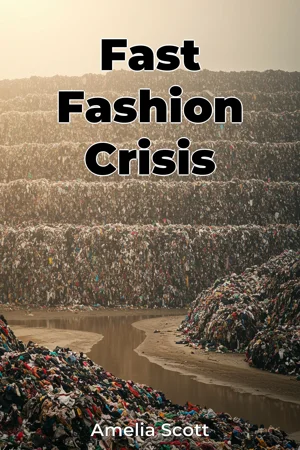
Is your wardrobe contributing to a global crisis? "Fast Fashion Crisis" delves into the devastating environmental and ethical consequences of the rapidly expanding fast fashion industry, revealing how our insatiable demand for cheap, trendy clothing is impacting both the planet and its people. This book examines the economic drivers, environmental toll, and social injustices embedded within the fast fashion system, providing a comprehensive analysis of a complex and urgent issue. The book centers around three key concepts: the unsustainable consumption patterns fueled by fast fashion, the environmental degradation caused by textile production and waste, and the human rights abuses prevalent in garment factories across the globe. These topics are critically important because they expose the hidden costs associated with our clothing choices and highlight the urgent need for systemic change. Readers will gain an understanding of how seemingly innocuous purchasing decisions contribute to a complex web of interconnected problems. To understand the current crisis, "Fast Fashion Crisis" will first explore the historical roots of the industry, tracing its evolution from haute couture to mass-produced, disposable clothing. Important context is established by detailing the global supply chains that underpin fast fashion and the economic pressures that incentivize unethical practices. Readers will require a basic understanding of supply chain dynamics and global economics to fully grasp the arguments presented. The central argument of "Fast Fashion Crisis" is that the fast fashion industry, in its current form, is fundamentally unsustainable and ethically compromised, demanding a radical shift towards more responsible and equitable practices. This argument is vital because it challenges the conventional wisdom that equates cheap clothing with consumer benefit, exposing the true cost borne by the environment and vulnerable populations. The book begins by introducing the core concepts of fast fashion, its business model, and its global reach. It then develops these ideas through three major sections. The first examines the environmental impacts of textile production, including water pollution, carbon emissions, and resource depletion. The second investigates the ethical dimensions, focusing on labor exploitation, unsafe working conditions, and the suppression of workers' rights. The third analyzes the economic factors that perpetuate the fast fashion cycle and explores potential solutions, such as sustainable materials, circular economy models, and ethical consumerism. The book culminates with a call to action, outlining practical steps that individuals, businesses, and policymakers can take to mitigate the crisis. The arguments presented are supported by a wide range of evidence, including scientific studies on environmental pollution, reports from human rights organizations, and economic analyses of the garment industry. Unique data sources, such as firsthand accounts from garment workers and analyses of textile waste streams, provide compelling insights into the realities of fast fashion. "Fast Fashion Crisis" connects to several other fields, including environmental science, economics, and sociology. By integrating these perspectives, the book offers a holistic understanding of the complex challenges posed by fast fashion. The book stands out by taking an interdisciplinary, data-driven approach to analyzing the fast fashion crisis. The tone is informative and analytical, avoiding sensationalism while maintaining a sense of urgency. The target audience includes students, researchers, policymakers, and concerned consumers who are interested in learning more about the environmental and social impacts of their purchasing decisions. This book will be valuable because it provides a comprehensive overview of the fast fashion crisis and offers practical solutions for creating a more sustainable and ethical fashion industry. As a work of non-fiction within economics and environment genres, "Fast Fashion Crisis" adheres to standards of rigorous research, objective analysis, and clear presentation of information. The book focuses on the environmental and ethical aspects of the fast fashion industry, with limited discussion of historical fashion trends. The information presented in “Fast Fashion Crisis” can be applied in practical ways, such as informing sustainable purchasing decisions, advocating for policy changes, and supporting ethical brands. The book addresses the ongoing debate about the role of consumerism in environmental degradation and social injustice, presenting a nuanced perspective that acknowledges the complexities of the issue. It explores diverse viewpoints on whether reforms within the current system can suffice or if a more radical restructuring of the fashion industry is necessary.
Is your wardrobe contributing to a global crisis? "Fast Fashion Crisis" delves into the devastating environmental and ethical consequences of the rapidly expanding fast fashion industry, revealing how our insatiable demand for cheap, trendy clothing is impacting both the planet and its people. This book examines the economic drivers, environmental toll, and social injustices embedded within the fast fashion system, providing a comprehensive analysis of a complex and urgent issue. The book centers around three key concepts: the unsustainable consumption patterns fueled by fast fashion, the environmental degradation caused by textile production and waste, and the human rights abuses prevalent in garment factories across the globe. These topics are critically important because they expose the hidden costs associated with our clothing choices and highlight the urgent need for systemic change. Readers will gain an understanding of how seemingly innocuous purchasing decisions contribute to a complex web of interconnected problems. To understand the current crisis, "Fast Fashion Crisis" will first explore the historical roots of the industry, tracing its evolution from haute couture to mass-produced, disposable clothing. Important context is established by detailing the global supply chains that underpin fast fashion and the economic pressures that incentivize unethical practices. Readers will require a basic understanding of supply chain dynamics and global economics to fully grasp the arguments presented. The central argument of "Fast Fashion Crisis" is that the fast fashion industry, in its current form, is fundamentally unsustainable and ethically compromised, demanding a radical shift towards more responsible and equitable practices. This argument is vital because it challenges the conventional wisdom that equates cheap clothing with consumer benefit, exposing the true cost borne by the environment and vulnerable populations. The book begins by introducing the core concepts of fast fashion, its business model, and its global reach. It then develops these ideas through three major sections. The first examines the environmental impacts of textile production, including water pollution, carbon emissions, and resource depletion. The second investigates the ethical dimensions, focusing on labor exploitation, unsafe working conditions, and the suppression of workers' rights. The third analyzes the economic factors that perpetuate the fast fashion cycle and explores potential solutions, such as sustainable materials, circular economy models, and ethical consumerism. The book culminates with a call to action, outlining practical steps that individuals, businesses, and policymakers can take to mitigate the crisis. The arguments presented are supported by a wide range of evidence, including scientific studies on environmental pollution, reports from human rights organizations, and economic analyses of the garment industry. Unique data sources, such as firsthand accounts from garment workers and analyses of textile waste streams, provide compelling insights into the realities of fast fashion. "Fast Fashion Crisis" connects to several other fields, including environmental science, economics, and sociology. By integrating these perspectives, the book offers a holistic understanding of the complex challenges posed by fast fashion. The book stands out by taking an interdisciplinary, data-driven approach to analyzing the fast fashion crisis. The tone is informative and analytical, avoiding sensationalism while maintaining a sense of urgency. The target audience includes students, researchers, policymakers, and concerned consumers who are interested in learning more about the environmental and social impacts of their purchasing decisions. This book will be valuable because it provides a comprehensive overview of the fast fashion crisis and offers practical solutions for creating a more sustainable and ethical fashion industry. As a work of non-fiction within economics and environment genres, "Fast Fashion Crisis" adheres to standards of rigorous research, objective analysis, and clear presentation of information. The book focuses on the environmental and ethical aspects of the fast fashion industry, with limited discussion of historical fashion trends. The information presented in “Fast Fashion Crisis” can be applied in practical ways, such as informing sustainable purchasing decisions, advocating for policy changes, and supporting ethical brands. The book addresses the ongoing debate about the role of consumerism in environmental degradation and social injustice, presenting a nuanced perspective that acknowledges the complexities of the issue. It explores diverse viewpoints on whether reforms within the current system can suffice or if a more radical restructuring of the fashion industry is necessary.
"Fast Fashion Crisis" exposes the devastating environmental and ethical consequences of our demand for cheap, trendy clothing. The book examines the economic drivers, environmental toll, and social injustices embedded within the fast fashion system. Did you know that textile production contributes significantly to water pollution and carbon emissions? Or that garment workers often face labor exploitation and unsafe working conditions? This book challenges the notion that cheap clothing equates to consumer benefit, revealing the true costs borne by the environment and vulnerable populations. The book begins by tracing the historical roots of the industry and detailing global supply chains. It progresses through three major sections, examining the environmental impacts of textile production, the ethical dimensions of labor practices, and the economic factors perpetuating the cycle. Through scientific studies, human rights reports, and economic analyses, "Fast Fashion Crisis" provides a comprehensive overview, offering practical steps for individuals, businesses, and policymakers to mitigate the crisis through sustainable materials, circular economy models, and ethical consumerism.
Book Details
ISBN
9788235216021
Publisher
Publifye AS
Your Licenses
You don't own any licenses for this book
Purchase a license below to unlock this book and download the EPUB.
Purchase License
Select a tier to unlock this book
Need bulk licensing?
Contact us for enterprise agreements.