
About This Book
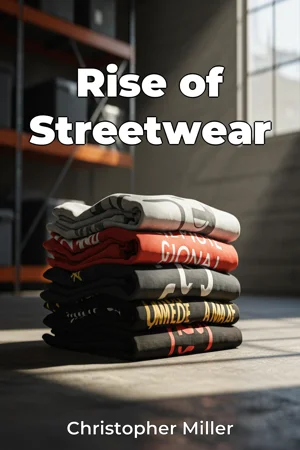
How did a subculture born from skateboarding, hip-hop, and DIY aesthetics transform into a multi-billion dollar global force influencing everything from luxury fashion houses to mainstream consumer culture? "Rise of Streetwear" explores this very question, tracing the unlikely journey of streetwear from its grassroots origins to its current status as a dominant force in the fashion industry and beyond. This book dissects not only the cultural and economic impact of streetwear but also the complex interplay of creativity, commerce, and community that fuels its ongoing evolution. We will examine the key elements that propelled streetwear into the mainstream. First, the book uncovers the historical context of streetwear's emergence, focusing on the late 20th century when marginalized subcultures sought to express their identities through unique clothing styles. Second, it analyzes the business strategies employed by early streetwear pioneers who disrupted traditional fashion models by leveraging exclusivity, collaborations, and direct-to-consumer marketing. Understanding these origins and strategies is essential to grasping streetwear's continuing influence. "Rise of Streetwear" argues that its success lies in its ability to blend authenticity with aspiration. It provides a platform for self-expression and community building, while simultaneously tapping into desires for status and exclusivity. The narrative unfolds chronologically, beginning with the birth of streetwear in the skate and surf scenes of Southern California and the hip-hop culture of New York City. It then charts the rise of influential brands, exploring their design philosophies, marketing tactics, and cultural impact. This journey culminates in an examination of streetwear's current state, considering its penetration of high fashion, its embrace by global corporations, and the ongoing debates about its authenticity and future direction. The evidence presented in "Rise of Streetwear" is drawn from a variety of sources, including in-depth interviews with designers, brand owners, and cultural figures who shaped the movement. It is supplemented by archival research, visual analysis of key garments and marketing campaigns, and quantitative data on market trends and consumer behavior. The book also connects streetwear to broader fields such as cultural studies, sociology, and business management by considering issues of identity, consumerism, and the dynamics of cultural appropriation. The book is structured into three major parts. Part one, "Foundations," introduces the cultural precursors to streetwear and profiles the visionaries who laid its groundwork. Part two, "Ascension," analyzes the key factors that fueled its rapid growth, including the rise of social media, the influence of celebrity endorsements, and the emergence of streetwear as a global phenomenon. Part three, "Legacy," assesses the contemporary landscape, examining the challenges and opportunities facing streetwear as it continues to evolve. The book concludes by considering the implications of streetwear's success for the broader fashion industry and for the future of cultural expression. "Rise of Streetwear" adopts a narrative non-fiction style, combining rigorous research with engaging storytelling. Its target audience includes students of fashion, business, and popular culture, as well as industry professionals, brand enthusiasts, and anyone interested in understanding the dynamics of contemporary culture. The book offers practical insights for entrepreneurs and marketers seeking to apply the principles of streetwear to their own ventures. While this book provides a broad overview of the global streetwear movement, its scope is intentionally limited to focusing on key brands and cultural moments that have had the most significant impact on its development. This approach allows for a deeper exploration of these pivotal moments. The book also acknowledges ongoing debates within the streetwear community concerning issues such as authenticity, cultural appropriation, and the impact of commercialization. By engaging with these controversies, "Rise of Streetwear" offers a nuanced and comprehensive perspective on one of the most influential cultural phenomena of our time.
How did a subculture born from skateboarding, hip-hop, and DIY aesthetics transform into a multi-billion dollar global force influencing everything from luxury fashion houses to mainstream consumer culture? "Rise of Streetwear" explores this very question, tracing the unlikely journey of streetwear from its grassroots origins to its current status as a dominant force in the fashion industry and beyond. This book dissects not only the cultural and economic impact of streetwear but also the complex interplay of creativity, commerce, and community that fuels its ongoing evolution. We will examine the key elements that propelled streetwear into the mainstream. First, the book uncovers the historical context of streetwear's emergence, focusing on the late 20th century when marginalized subcultures sought to express their identities through unique clothing styles. Second, it analyzes the business strategies employed by early streetwear pioneers who disrupted traditional fashion models by leveraging exclusivity, collaborations, and direct-to-consumer marketing. Understanding these origins and strategies is essential to grasping streetwear's continuing influence. "Rise of Streetwear" argues that its success lies in its ability to blend authenticity with aspiration. It provides a platform for self-expression and community building, while simultaneously tapping into desires for status and exclusivity. The narrative unfolds chronologically, beginning with the birth of streetwear in the skate and surf scenes of Southern California and the hip-hop culture of New York City. It then charts the rise of influential brands, exploring their design philosophies, marketing tactics, and cultural impact. This journey culminates in an examination of streetwear's current state, considering its penetration of high fashion, its embrace by global corporations, and the ongoing debates about its authenticity and future direction. The evidence presented in "Rise of Streetwear" is drawn from a variety of sources, including in-depth interviews with designers, brand owners, and cultural figures who shaped the movement. It is supplemented by archival research, visual analysis of key garments and marketing campaigns, and quantitative data on market trends and consumer behavior. The book also connects streetwear to broader fields such as cultural studies, sociology, and business management by considering issues of identity, consumerism, and the dynamics of cultural appropriation. The book is structured into three major parts. Part one, "Foundations," introduces the cultural precursors to streetwear and profiles the visionaries who laid its groundwork. Part two, "Ascension," analyzes the key factors that fueled its rapid growth, including the rise of social media, the influence of celebrity endorsements, and the emergence of streetwear as a global phenomenon. Part three, "Legacy," assesses the contemporary landscape, examining the challenges and opportunities facing streetwear as it continues to evolve. The book concludes by considering the implications of streetwear's success for the broader fashion industry and for the future of cultural expression. "Rise of Streetwear" adopts a narrative non-fiction style, combining rigorous research with engaging storytelling. Its target audience includes students of fashion, business, and popular culture, as well as industry professionals, brand enthusiasts, and anyone interested in understanding the dynamics of contemporary culture. The book offers practical insights for entrepreneurs and marketers seeking to apply the principles of streetwear to their own ventures. While this book provides a broad overview of the global streetwear movement, its scope is intentionally limited to focusing on key brands and cultural moments that have had the most significant impact on its development. This approach allows for a deeper exploration of these pivotal moments. The book also acknowledges ongoing debates within the streetwear community concerning issues such as authenticity, cultural appropriation, and the impact of commercialization. By engaging with these controversies, "Rise of Streetwear" offers a nuanced and comprehensive perspective on one of the most influential cultural phenomena of our time.
"Rise of Streetwear" explores the fascinating evolution of streetwear from a subculture rooted in skateboarding, hip-hop, and DIY aesthetics to a global phenomenon that has reshaped the fashion and business landscape. The book traces streetwear's origins in the late 20th century, highlighting how marginalized communities used clothing to express their identities. Early streetwear brands disrupted traditional fashion models by leveraging exclusivity, collaborations, and direct-to-consumer marketing. The book argues that streetwear's success stems from blending authenticity with aspiration, providing a platform for self-expression while tapping into consumer desires for status. It progresses chronologically, starting with streetwear's birth in Southern California's skate/surf scenes and New York City's hip-hop culture, then charting the rise of influential brands and their marketing tactics. The narrative culminates in an examination of streetwear's current state, its high fashion integration, and ongoing debates about authenticity. "Rise of Streetwear" adopts a narrative non-fiction style to present rigorous research, including interviews with designers and brand owners, archival research, and market data. The book is structured into three parts: Foundations, Ascension, and Legacy. It examines the cultural precursors, analyzes the factors fueling streetwear's growth (social media, celebrity endorsements), and assesses the contemporary landscape, offering insights into its implications for the fashion industry and cultural expression.
Book Details
ISBN
9788235216007
Publisher
Publifye AS
Your Licenses
You don't own any licenses for this book
Purchase a license below to unlock this book and download the EPUB.
Purchase License
Select a tier to unlock this book
Need bulk licensing?
Contact us for enterprise agreements.