
About This Book
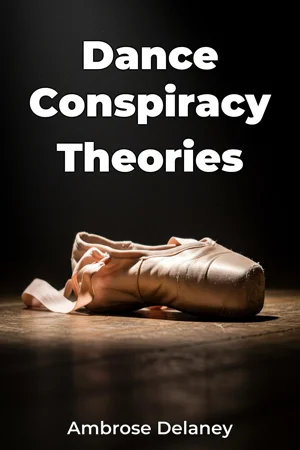
Could the history of dance, as we know it, be a meticulously crafted illusion, concealing hidden agendas within its elegant steps and rhythmic movements? "Dance Conspiracy Theories" delves into the shadowy corners of the performing arts, investigating the surprising world where speculation meets documented history. This book examines how dance, often perceived as pure artistic expression, may also function as a conduit for secret codes, a reflection of powerful societal forces, and even a tool for manipulation. Two primary areas of focus are the potential involvement of dance legends in secret societies and the existence of hidden messages embedded within choreography and performance. The first explores the possibility that prominent figures in dance history—individuals celebrated for their innovation and artistry—were also members of clandestine organizations, using their influence to promote specific ideologies through their work. The second investigates how choreographers and dancers might have subtly encoded political, social, or philosophical messages within their performances, bypassing censorship or conveying subversive ideas to select audiences. These topics are significant because they challenge conventional understandings of dance history, prompting a re-evaluation of its cultural impact and the motivations of its key figures. To fully appreciate these theories, a basic understanding of dance history, particularly ballet and modern dance, is helpful, along with a general awareness of the historical context in which these dances were created and performed. Consider the social and political climates of the periods, as well as the known biographies of leading choreographers and dancers. The central argument of "Dance Conspiracy Theories" is that dance, like any art form, is susceptible to being influenced by hidden agendas and that examining it through a critical lens can reveal deeper meanings and connections to broader historical narratives. This argument is important because it encourages skepticism and critical thinking in the interpretation of artistic works, urging us to look beyond the surface aesthetics and consider the potential underlying motivations and cultural forces at play. The book begins by introducing the main concepts of conspiracy theory and their application to the world of dance. It then develops this idea through case studies. First, it examines specific choreographers or dancers whose lives and works have been surrounded by speculation, analyzing their potential connections to secret societies or political movements. Second, it dissects famous performances, searching for hidden symbolism, coded messages, or subliminal cues that might support conspiratorial interpretations. Finally, the book culminates by assessing the overall plausibility of these theories, considering the available evidence and the potential implications of accepting or rejecting them. The evidence presented includes historical documents, biographical accounts, performance footage, and critical analyses of choreography. Unique data sources may include private letters, diaries, or obscure publications that shed light on the personal beliefs and affiliations of dancers and choreographers. "Dance Conspiracy Theories" connects to other fields such as history, political science, semiotics, and sociology. Its exploration of hidden messages aligns with semiotic theory, while its examination of power dynamics relates to political science and sociology. These connections enrich the book's argument by providing interdisciplinary perspectives on the potential influence of dance in shaping social and political landscapes. This book takes a unique approach by applying the methodologies of conspiracy theory research to the realm of dance history. It asks "what if?" questions, investigates potential connections, and encourages readers to critically evaluate the evidence presented. The writing style is clear, engaging, and accessible to a broad audience, blending rigorous research with a conversational tone. The target audience includes dance enthusiasts, history buffs, students of performing arts, and anyone intrigued by conspiracy theories. This book would be valuable to them because it offers a fresh perspective on a familiar subject, challenging assumptions and encouraging critical thinking. As a work of non-fiction, "Dance Conspiracy Theories" adheres to the conventions of accuracy, objectivity, and thorough research. It presents evidence fairly, acknowledges alternative viewpoints, and avoids sensationalism. The book's scope is limited to specific examples and case studies within the history of Western theatrical dance, primarily focusing on ballet and modern dance. It does not attempt to provide an exhaustive overview of all dance forms or all potential conspiracy theories related to dance. The information in the book can be applied practically by readers who wish to become more discerning viewers of dance performances, better informed historians of dance, or simply more critical thinkers in general. It encourages a deeper engagement with art and a greater awareness of the potential for hidden meanings and agendas. The book addresses the ongoing debate about the role of interpretation and subjectivity in art criticism, acknowledging the potential for bias and the challenges of separating fact from speculation. By presenting a range of perspectives and encouraging critical thinking, "Dance Conspiracy Theories" aims to contribute to a more nuanced and informed understanding of the complex relationship between art, power, and society.
Could the history of dance, as we know it, be a meticulously crafted illusion, concealing hidden agendas within its elegant steps and rhythmic movements? "Dance Conspiracy Theories" delves into the shadowy corners of the performing arts, investigating the surprising world where speculation meets documented history. This book examines how dance, often perceived as pure artistic expression, may also function as a conduit for secret codes, a reflection of powerful societal forces, and even a tool for manipulation. Two primary areas of focus are the potential involvement of dance legends in secret societies and the existence of hidden messages embedded within choreography and performance. The first explores the possibility that prominent figures in dance history—individuals celebrated for their innovation and artistry—were also members of clandestine organizations, using their influence to promote specific ideologies through their work. The second investigates how choreographers and dancers might have subtly encoded political, social, or philosophical messages within their performances, bypassing censorship or conveying subversive ideas to select audiences. These topics are significant because they challenge conventional understandings of dance history, prompting a re-evaluation of its cultural impact and the motivations of its key figures. To fully appreciate these theories, a basic understanding of dance history, particularly ballet and modern dance, is helpful, along with a general awareness of the historical context in which these dances were created and performed. Consider the social and political climates of the periods, as well as the known biographies of leading choreographers and dancers. The central argument of "Dance Conspiracy Theories" is that dance, like any art form, is susceptible to being influenced by hidden agendas and that examining it through a critical lens can reveal deeper meanings and connections to broader historical narratives. This argument is important because it encourages skepticism and critical thinking in the interpretation of artistic works, urging us to look beyond the surface aesthetics and consider the potential underlying motivations and cultural forces at play. The book begins by introducing the main concepts of conspiracy theory and their application to the world of dance. It then develops this idea through case studies. First, it examines specific choreographers or dancers whose lives and works have been surrounded by speculation, analyzing their potential connections to secret societies or political movements. Second, it dissects famous performances, searching for hidden symbolism, coded messages, or subliminal cues that might support conspiratorial interpretations. Finally, the book culminates by assessing the overall plausibility of these theories, considering the available evidence and the potential implications of accepting or rejecting them. The evidence presented includes historical documents, biographical accounts, performance footage, and critical analyses of choreography. Unique data sources may include private letters, diaries, or obscure publications that shed light on the personal beliefs and affiliations of dancers and choreographers. "Dance Conspiracy Theories" connects to other fields such as history, political science, semiotics, and sociology. Its exploration of hidden messages aligns with semiotic theory, while its examination of power dynamics relates to political science and sociology. These connections enrich the book's argument by providing interdisciplinary perspectives on the potential influence of dance in shaping social and political landscapes. This book takes a unique approach by applying the methodologies of conspiracy theory research to the realm of dance history. It asks "what if?" questions, investigates potential connections, and encourages readers to critically evaluate the evidence presented. The writing style is clear, engaging, and accessible to a broad audience, blending rigorous research with a conversational tone. The target audience includes dance enthusiasts, history buffs, students of performing arts, and anyone intrigued by conspiracy theories. This book would be valuable to them because it offers a fresh perspective on a familiar subject, challenging assumptions and encouraging critical thinking. As a work of non-fiction, "Dance Conspiracy Theories" adheres to the conventions of accuracy, objectivity, and thorough research. It presents evidence fairly, acknowledges alternative viewpoints, and avoids sensationalism. The book's scope is limited to specific examples and case studies within the history of Western theatrical dance, primarily focusing on ballet and modern dance. It does not attempt to provide an exhaustive overview of all dance forms or all potential conspiracy theories related to dance. The information in the book can be applied practically by readers who wish to become more discerning viewers of dance performances, better informed historians of dance, or simply more critical thinkers in general. It encourages a deeper engagement with art and a greater awareness of the potential for hidden meanings and agendas. The book addresses the ongoing debate about the role of interpretation and subjectivity in art criticism, acknowledging the potential for bias and the challenges of separating fact from speculation. By presenting a range of perspectives and encouraging critical thinking, "Dance Conspiracy Theories" aims to contribute to a more nuanced and informed understanding of the complex relationship between art, power, and society.
"Dance Conspiracy Theories" explores the intriguing possibility that the history of dance isn't quite what we think. It delves into the idea that dance, often seen as pure art, could be a vehicle for secret codes and hidden agendas. The book examines whether dance legends were secretly part of powerful societies, using their influence to promote specific ideologies through their choreography. The book also investigates whether choreographers subtly embedded political or philosophical messages into their performances, bypassing censorship and conveying subversive ideas. It challenges conventional understandings of dance history, prompting a re-evaluation of its cultural impact. To appreciate these theories, a basic understanding of dance history, especially ballet and modern dance, is helpful. The book progresses by introducing conspiracy theory concepts and then applies them to case studies. It dissects famous performances, searching for hidden symbolism and coded messages, and assesses the plausibility of these theories. This unique approach applies conspiracy theory research methods to dance history, encouraging readers to critically evaluate evidence and consider the hidden meanings within the performing arts.
Book Details
ISBN
9788235215970
Publisher
Publifye AS
Your Licenses
You don't own any licenses for this book
Purchase a license below to unlock this book and download the EPUB.
Purchase License
Select a tier to unlock this book
Need bulk licensing?
Contact us for enterprise agreements.