
About This Book
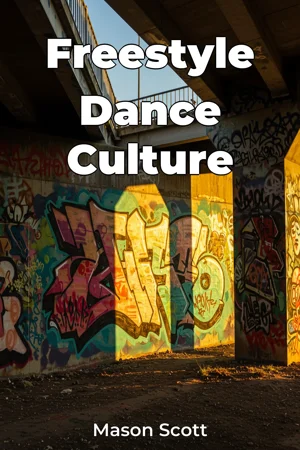
Have you ever wondered how a dance form born on the streets evolved into a global phenomenon showcased in packed stadiums and on television screens? "Freestyle Dance Culture" explores this dynamic journey, tracing the origins, evolution, and impact of freestyle dance from its grassroots beginnings to its current status as a respected art form and competitive sport. This book delves into three primary areas: the historical development of freestyle dance, its cultural significance, and its technical evolution. Understanding these facets is crucial for appreciating the depth and complexity of freestyle dance. By examining its roots in various urban subcultures and its subsequent adoption into mainstream entertainment, we gain insight into how this dance form reflects and shapes societal trends. Freestyle dance, in its essence, is a continually evolving art form, shaped by various cultural and historical factors. "Freestyle Dance Culture" provides the necessary historical context, exploring the socio-economic environments that fostered its initial emergence. It requires no specialist knowledge of dance theory, aiming instead to provide an accessible overview for anyone with an interest in movement, music, and cultural history. The central argument of this book is that freestyle dance is not merely a series of steps or movements, but a constantly evolving cultural phenomenon. It demonstrates how freestyle dance acts as a powerful medium for self-expression, community building, and cultural exchange. The book establishes the importance of understanding freestyle dance not only as a physical skill but also as a reflection of broader social and artistic trends. "Freestyle Dance Culture" begins by introducing the foundational elements of freestyle dance, including its early influences and key figures. The book then develops its core ideas through three major sections. The first examines the historical trajectory of freestyle dance, from its emergence in urban communities to its proliferation through media and the rise of formal competitions. The second section analyzes the cultural impact of freestyle dance, exploring how it has been utilized as a tool for social commentary, identity formation, and community engagement. The third section investigates the technical evolution of freestyle dance, focusing on the innovations in movement, music, and technology that have reshaped its practice. The book culminates by discussing the future of freestyle dance, considering its potential applications in education, therapy, and cross-cultural collaborations. The arguments presented in this book are supported by a diverse range of evidence, including historical accounts, ethnographic studies, interviews with dancers and choreographers, and analyses of dance performances and media representations. This book uses archival research, and first person accounts to ensure accuracy and nuance. "Freestyle Dance Culture" also engages with broader discussions in sociology, cultural studies, and sports science. It also intersects with music studies, examining the close relationship between music and movement in freestyle dance. These connections highlight the interdisciplinary nature of freestyle dance and its relevance to various academic fields. A unique dimension of this book is its emphasis on the lived experiences of freestyle dancers. It incorporates personal narratives and anecdotes to offer a nuanced understanding of the challenges and rewards of engaging with this art form. This human-centered approach distinguishes the book from more theoretical analyses of dance. The book adopts a conversational and informative writing style, making complex ideas accessible to a broad audience. It prioritizes clarity and precision, avoiding jargon and technical terms whenever possible. The target audience for this book includes dance enthusiasts, students of cultural studies and performing arts, and anyone interested in the history and evolution of popular culture. It offers valuable insights for educators, choreographers, and community organizers who seek to understand and promote freestyle dance. As a work of non-fiction, "Freestyle Dance Culture" adheres to the genre’s conventions by providing accurate, well-researched information and presenting arguments in a logical and coherent manner. It avoids subjective opinions and focuses on providing a comprehensive and objective overview of the subject matter. While the book explores the global phenomenon of freestyle dance, its primary focus is on the North American context, acknowledging that the development and cultural interpretation of freestyle dance may vary in other regions. The information presented in the book can be applied in various practical settings, such as dance education programs, community arts initiatives, and therapeutic interventions. It can also inform the development of more inclusive and equitable dance practices. "Freestyle Dance Culture" also addresses some of the ongoing debates surrounding the commercialization of freestyle dance and its impact on authenticity and artistic integrity. By exploring these issues, the book encourages critical reflection on the ethical and social implications of this art form.
Have you ever wondered how a dance form born on the streets evolved into a global phenomenon showcased in packed stadiums and on television screens? "Freestyle Dance Culture" explores this dynamic journey, tracing the origins, evolution, and impact of freestyle dance from its grassroots beginnings to its current status as a respected art form and competitive sport. This book delves into three primary areas: the historical development of freestyle dance, its cultural significance, and its technical evolution. Understanding these facets is crucial for appreciating the depth and complexity of freestyle dance. By examining its roots in various urban subcultures and its subsequent adoption into mainstream entertainment, we gain insight into how this dance form reflects and shapes societal trends. Freestyle dance, in its essence, is a continually evolving art form, shaped by various cultural and historical factors. "Freestyle Dance Culture" provides the necessary historical context, exploring the socio-economic environments that fostered its initial emergence. It requires no specialist knowledge of dance theory, aiming instead to provide an accessible overview for anyone with an interest in movement, music, and cultural history. The central argument of this book is that freestyle dance is not merely a series of steps or movements, but a constantly evolving cultural phenomenon. It demonstrates how freestyle dance acts as a powerful medium for self-expression, community building, and cultural exchange. The book establishes the importance of understanding freestyle dance not only as a physical skill but also as a reflection of broader social and artistic trends. "Freestyle Dance Culture" begins by introducing the foundational elements of freestyle dance, including its early influences and key figures. The book then develops its core ideas through three major sections. The first examines the historical trajectory of freestyle dance, from its emergence in urban communities to its proliferation through media and the rise of formal competitions. The second section analyzes the cultural impact of freestyle dance, exploring how it has been utilized as a tool for social commentary, identity formation, and community engagement. The third section investigates the technical evolution of freestyle dance, focusing on the innovations in movement, music, and technology that have reshaped its practice. The book culminates by discussing the future of freestyle dance, considering its potential applications in education, therapy, and cross-cultural collaborations. The arguments presented in this book are supported by a diverse range of evidence, including historical accounts, ethnographic studies, interviews with dancers and choreographers, and analyses of dance performances and media representations. This book uses archival research, and first person accounts to ensure accuracy and nuance. "Freestyle Dance Culture" also engages with broader discussions in sociology, cultural studies, and sports science. It also intersects with music studies, examining the close relationship between music and movement in freestyle dance. These connections highlight the interdisciplinary nature of freestyle dance and its relevance to various academic fields. A unique dimension of this book is its emphasis on the lived experiences of freestyle dancers. It incorporates personal narratives and anecdotes to offer a nuanced understanding of the challenges and rewards of engaging with this art form. This human-centered approach distinguishes the book from more theoretical analyses of dance. The book adopts a conversational and informative writing style, making complex ideas accessible to a broad audience. It prioritizes clarity and precision, avoiding jargon and technical terms whenever possible. The target audience for this book includes dance enthusiasts, students of cultural studies and performing arts, and anyone interested in the history and evolution of popular culture. It offers valuable insights for educators, choreographers, and community organizers who seek to understand and promote freestyle dance. As a work of non-fiction, "Freestyle Dance Culture" adheres to the genre’s conventions by providing accurate, well-researched information and presenting arguments in a logical and coherent manner. It avoids subjective opinions and focuses on providing a comprehensive and objective overview of the subject matter. While the book explores the global phenomenon of freestyle dance, its primary focus is on the North American context, acknowledging that the development and cultural interpretation of freestyle dance may vary in other regions. The information presented in the book can be applied in various practical settings, such as dance education programs, community arts initiatives, and therapeutic interventions. It can also inform the development of more inclusive and equitable dance practices. "Freestyle Dance Culture" also addresses some of the ongoing debates surrounding the commercialization of freestyle dance and its impact on authenticity and artistic integrity. By exploring these issues, the book encourages critical reflection on the ethical and social implications of this art form.
"Freestyle Dance Culture" explores the captivating evolution of freestyle dance, a dynamic art form that transformed from its humble origins in urban streets into a globally recognized cultural phenomenon and competitive sport. The book traces the dance's historical development, cultural significance, and technical evolution, emphasizing its role as a powerful medium for self-expression and community building. One intriguing aspect is how freestyle dance reflects and shapes societal trends, acting as a form of social commentary and identity formation. The book adopts an accessible approach, making it suitable for a general audience interested in music and performing arts. It begins by establishing the foundational elements of freestyle dance before progressing through three major sections: the historical trajectory, the cultural impact, and the technical evolution. Through historical accounts, interviews, and analyses of dance performances, the book provides a nuanced understanding of the challenges and rewards of engaging with freestyle dance, highlighting its interdisciplinary nature and relevance to various academic fields. The study emphasizes the lived experiences of freestyle dancers, incorporating personal narratives to offer a comprehensive overview of the art form. It also addresses ongoing debates surrounding the commercialization of freestyle dance and its impact on authenticity. This book offers valuable insights for dance enthusiasts, students of cultural studies, and anyone interested in the history of urban dance and the performing arts.
Book Details
ISBN
9788235215956
Publisher
Publifye AS
Your Licenses
You don't own any licenses for this book
Purchase a license below to unlock this book and download the EPUB.
Purchase License
Select a tier to unlock this book
Need bulk licensing?
Contact us for enterprise agreements.