
About This Book
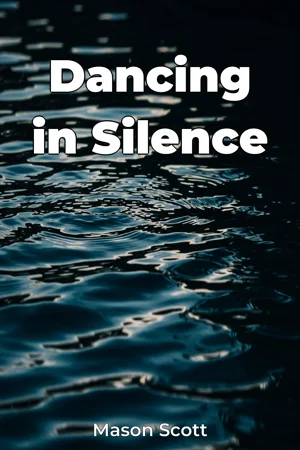
How do dancers experience and express rhythm when they cannot hear? "Dancing in Silence" explores the captivating world of deaf dancers and their unique relationship with music and movement. This book delves into the sensory adaptations, creative strategies, and profound artistic expression employed by deaf individuals in the realm of dance. This exploration is important because it challenges conventional notions of music and dance, revealing how these art forms can transcend auditory perception and foster inclusivity. The book primarily focuses on three key topics: the role of vibration and tactile sense in experiencing rhythm, the development of innovative choreographic techniques for deaf dancers, and the social and cultural significance of deaf dance communities. Understanding these topics provides insight into the multifaceted ways sensory perception can be reconfigured and artistic expression can be expanded. To fully appreciate the experiences of deaf dancers, the book provides background information on the physiology of hearing and deafness, the science of vibration, and the history of deaf culture. The reader will gain a foundational understanding of sign language and the various communication methods used within deaf communities, allowing for a deeper comprehension of the dancers' perspectives. The central argument of "Dancing in Silence" demonstrates that deafness does not preclude a rich and nuanced understanding of music and movement. Rather, it fosters alternative pathways to rhythm and creative expression, enriching both the art of dance and our understanding of human potential. This argument carries significant weight, as it challenges ableist assumptions and promotes a more inclusive perspective on artistic ability. The book unfolds in a structured manner. It begins by introducing central concepts such as haptic perception, kinesthetic awareness, and the semiotics of movement in deaf dance. Following this introduction, the book develops its ideas across three major sections. The first section examines how deaf dancers perceive and interpret music through vibrations felt in the body and the environment. The second explores the choreographic processes employed by deaf dancers and choreographers, highlighting the innovative use of visual cues, spatial arrangements, and collaborative strategies. The third section delves into the social and cultural impact of deaf dance, examining its role in building community, fostering self-expression, and challenging societal perceptions of deafness. The book culminates by considering the implications of these findings for dance education, accessibility initiatives, and the broader art world. It also presents practical suggestions for making dance more inclusive and engaging for deaf audiences and participants. The research presented in this book draws upon a range of sources. It incorporates interviews with deaf dancers, choreographers, and educators, providing first-hand accounts of their experiences and perspectives. It also includes video analysis of deaf dance performances, offering a visual understanding of their unique movement vocabulary and choreographic techniques. Furthermore, relevant scientific studies on sensory perception, motor control, and cognitive adaptation support the arguments presented. "Dancing in Silence" makes meaningful connections with several other disciplines. It interfaces with the fields of musicology, exploring the relationship between sound and vibration. It connects with disability studies, offering insights into the social, cultural, and political dimensions of deafness. It also intersects with education, suggesting innovative pedagogical approaches for teaching dance to students with diverse sensory abilities. This book distinguishes itself through its emphasis on the lived experiences of deaf dancers and its exploration of the unique creative processes they employ. Rather than simply focusing on the challenges faced by deaf dancers, it celebrates their ingenuity, resilience, and artistic contributions. The writing style is accessible and engaging, blending scholarly rigor with narrative storytelling. The tone is respectful, empathetic, and celebratory, reflecting a deep appreciation for the art and culture of deaf dance. The target audience includes dance students, educators, choreographers, researchers in disability studies, and anyone interested in the intersection of art, culture, and sensory perception. This book is valuable to them as it broadens their understanding of dance, challenges their assumptions about ability, and inspires them to create more inclusive and accessible artistic experiences. As a work of non-fiction, "Dancing in Silence" adheres to the genre's conventions of accuracy, objectivity, and evidence-based argumentation. It presents information in a clear and organized manner, citing sources and providing supporting documentation. The book focuses specifically on the experiences of deaf dancers in contemporary dance contexts. It does not delve into other forms of artistic expression or other types of disabilities, allowing for a focused and in-depth exploration of its central topic The insights presented in "Dancing in Silence" offer a range of practical applications. They can guide dance educators in developing more inclusive teaching strategies, inspire choreographers to create more accessible performances, and inform policymakers seeking to promote arts accessibility. While the book celebrates the achievements of deaf dancers, it also acknowledges ongoing debates surrounding representation, cultural appropriation, and the politics of inclusion within the dance world. It addresses these controversies in a thoughtful and nuanced manner, recognizing the complexities of these issues.
How do dancers experience and express rhythm when they cannot hear? "Dancing in Silence" explores the captivating world of deaf dancers and their unique relationship with music and movement. This book delves into the sensory adaptations, creative strategies, and profound artistic expression employed by deaf individuals in the realm of dance. This exploration is important because it challenges conventional notions of music and dance, revealing how these art forms can transcend auditory perception and foster inclusivity. The book primarily focuses on three key topics: the role of vibration and tactile sense in experiencing rhythm, the development of innovative choreographic techniques for deaf dancers, and the social and cultural significance of deaf dance communities. Understanding these topics provides insight into the multifaceted ways sensory perception can be reconfigured and artistic expression can be expanded. To fully appreciate the experiences of deaf dancers, the book provides background information on the physiology of hearing and deafness, the science of vibration, and the history of deaf culture. The reader will gain a foundational understanding of sign language and the various communication methods used within deaf communities, allowing for a deeper comprehension of the dancers' perspectives. The central argument of "Dancing in Silence" demonstrates that deafness does not preclude a rich and nuanced understanding of music and movement. Rather, it fosters alternative pathways to rhythm and creative expression, enriching both the art of dance and our understanding of human potential. This argument carries significant weight, as it challenges ableist assumptions and promotes a more inclusive perspective on artistic ability. The book unfolds in a structured manner. It begins by introducing central concepts such as haptic perception, kinesthetic awareness, and the semiotics of movement in deaf dance. Following this introduction, the book develops its ideas across three major sections. The first section examines how deaf dancers perceive and interpret music through vibrations felt in the body and the environment. The second explores the choreographic processes employed by deaf dancers and choreographers, highlighting the innovative use of visual cues, spatial arrangements, and collaborative strategies. The third section delves into the social and cultural impact of deaf dance, examining its role in building community, fostering self-expression, and challenging societal perceptions of deafness. The book culminates by considering the implications of these findings for dance education, accessibility initiatives, and the broader art world. It also presents practical suggestions for making dance more inclusive and engaging for deaf audiences and participants. The research presented in this book draws upon a range of sources. It incorporates interviews with deaf dancers, choreographers, and educators, providing first-hand accounts of their experiences and perspectives. It also includes video analysis of deaf dance performances, offering a visual understanding of their unique movement vocabulary and choreographic techniques. Furthermore, relevant scientific studies on sensory perception, motor control, and cognitive adaptation support the arguments presented. "Dancing in Silence" makes meaningful connections with several other disciplines. It interfaces with the fields of musicology, exploring the relationship between sound and vibration. It connects with disability studies, offering insights into the social, cultural, and political dimensions of deafness. It also intersects with education, suggesting innovative pedagogical approaches for teaching dance to students with diverse sensory abilities. This book distinguishes itself through its emphasis on the lived experiences of deaf dancers and its exploration of the unique creative processes they employ. Rather than simply focusing on the challenges faced by deaf dancers, it celebrates their ingenuity, resilience, and artistic contributions. The writing style is accessible and engaging, blending scholarly rigor with narrative storytelling. The tone is respectful, empathetic, and celebratory, reflecting a deep appreciation for the art and culture of deaf dance. The target audience includes dance students, educators, choreographers, researchers in disability studies, and anyone interested in the intersection of art, culture, and sensory perception. This book is valuable to them as it broadens their understanding of dance, challenges their assumptions about ability, and inspires them to create more inclusive and accessible artistic experiences. As a work of non-fiction, "Dancing in Silence" adheres to the genre's conventions of accuracy, objectivity, and evidence-based argumentation. It presents information in a clear and organized manner, citing sources and providing supporting documentation. The book focuses specifically on the experiences of deaf dancers in contemporary dance contexts. It does not delve into other forms of artistic expression or other types of disabilities, allowing for a focused and in-depth exploration of its central topic The insights presented in "Dancing in Silence" offer a range of practical applications. They can guide dance educators in developing more inclusive teaching strategies, inspire choreographers to create more accessible performances, and inform policymakers seeking to promote arts accessibility. While the book celebrates the achievements of deaf dancers, it also acknowledges ongoing debates surrounding representation, cultural appropriation, and the politics of inclusion within the dance world. It addresses these controversies in a thoughtful and nuanced manner, recognizing the complexities of these issues.
"Dancing in Silence" explores the captivating world of deaf dancers, revealing their unique approaches to music and movement. It challenges traditional ideas about dance by showcasing how deaf individuals experience rhythm through vibration and tactile senses. For instance, dancers may perceive music through vibrations felt in the floor or by using haptic perception, deepening their kinesthetic awareness. The book also highlights the development of innovative choreographic techniques tailored for deaf dancers, emphasizing visual cues and spatial arrangements. The book delves into the sensory adaptations and creative strategies employed by deaf dancers and the social impact of deaf dance communities. It progresses by first introducing central concepts like haptic perception. It then examines how deaf dancers interpret music through vibrations, explores choreographic processes using visual cues, and delves into the cultural impact of deaf dance, promoting inclusivity in dance education and accessibility. By focusing on lived experiences and creative processes, "Dancing in Silence" celebrates the ingenuity and artistic contributions of deaf dancers. This exploration emphasizes that deafness doesn't preclude a nuanced understanding of music, but rather fosters alternative pathways to rhythm, making it a valuable resource for dance students, educators, and anyone interested in the intersection of art and sensory perception.
Book Details
ISBN
9788235215918
Publisher
Publifye AS
Your Licenses
You don't own any licenses for this book
Purchase a license below to unlock this book and download the EPUB.
Purchase License
Select a tier to unlock this book
Need bulk licensing?
Contact us for enterprise agreements.