
About This Book
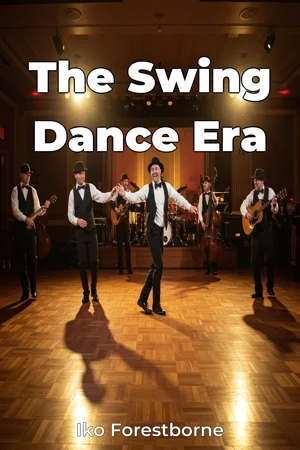
Did you know that a dance craze not only reshaped music but became a symbol of cultural defiance during a pivotal era in American history? "The Swing Dance Era" delves into the vibrant world of swing dance, exploring its evolution, cultural impact, and enduring legacy. This book examines how swing dancing transcended mere entertainment, becoming a powerful force that influenced music, fashion, and social norms. This book addresses three key areas: the origins and development of swing dance within the context of jazz music, the social and cultural factors that contributed to its widespread popularity, and its lasting influence on subsequent musical and dance genres. These topics are significant because they reveal how a grassroots art form can reflect and shape societal attitudes, particularly concerning race, class, and gender. Understanding the swing era provides valuable insight into the dynamics of cultural exchange and innovation. To fully appreciate the significance of swing dance, it's essential to understand the historical backdrop of the 1920s, 30s and 40s: the Harlem Renaissance, the Great Depression, and World War II. These periods of immense social and economic change created fertile ground for new forms of expression and entertainment. The book assumes a general understanding of 20th-century American history and basic musical concepts, like rhythm and tempo, but explains more technical aspects of music. The central argument of "The Swing Dance Era" is that swing dance was more than just a dance craze; it was a cultural phenomenon that challenged social norms and fostered a sense of community during a time of significant upheaval. This argument is important because it positions swing dance as a significant cultural force, highlighting its role in shaping American identity. The book is structured to provide a comprehensive overview of the swing dance era. It begins by tracing the origins of swing dance in African American communities, highlighting influences from the Lindy Hop and other jazz dances. It then explores the music that propelled the dance's popularity, examining the contributions of bandleaders like Duke Ellington, Count Basie, and Benny Goodman. The book further explores the evolving fashion and cultural norms associated with the swing dance movement. Finally, it examines the decline of swing dance during the rock and roll era and its re-emergence in contemporary culture, analyzing its ongoing impact on music and dance. The book draws upon a range of sources, including archival footage of dancers, interviews with musicians and dancers from the swing era, and scholarly articles on jazz music and American cultural history. Original data is not provided, but instead, the book critically analyzes existing sources to provide a fresh perspective on the era. "The Swing Dance Era" connects to several other fields of study, including sociology, anthropology, and musicology. By examining the social dynamics of dance halls, the cultural significance of music, and the evolution of dance styles, the book offers an interdisciplinary perspective on the swing era. It also draws connections to the study of fashion and design, analyzing how clothing styles reflected the energy and spirit of the swing dance movement. This book takes a holistic approach, examining the intersection of music, dance, and social history to provide a nuanced understanding of the swing dance era. It emphasizes the agency of dancers and musicians in shaping the cultural landscape of the time. The book adopts an informative and engaging writing style, aiming to make complex concepts accessible to a broad audience. While grounded in scholarly research, the tone is approachable and evocative, capturing the energy and excitement of the swing era. The target audience includes music enthusiasts, dance aficionados, history buffs, and anyone interested in American culture. The book would be valuable to readers seeking a deeper understanding of the swing dance era and its lasting impact on music and society. As a work of non-fiction, "The Swing Dance Era" adheres to the conventions of historical research, providing accurate and well-documented information. The scope of the book is limited to the swing dance era in the United States, with a primary focus on the period from the 1920s to the 1950s. While acknowledging the global influence of swing music and dance, the book does not delve into international variations in detail. The information can be applied practically by readers interested in learning to swing dance, understanding the history of jazz music, or exploring the cultural significance of dance in general or as research for historical fiction. The book addresses ongoing debates about the appropriation of African American cultural forms by white musicians and dancers. It provides a balanced perspective on these complex issues, acknowledging the contributions of all individuals who shaped the swing dance era while recognizing the historical context of racial inequality.
Did you know that a dance craze not only reshaped music but became a symbol of cultural defiance during a pivotal era in American history? "The Swing Dance Era" delves into the vibrant world of swing dance, exploring its evolution, cultural impact, and enduring legacy. This book examines how swing dancing transcended mere entertainment, becoming a powerful force that influenced music, fashion, and social norms. This book addresses three key areas: the origins and development of swing dance within the context of jazz music, the social and cultural factors that contributed to its widespread popularity, and its lasting influence on subsequent musical and dance genres. These topics are significant because they reveal how a grassroots art form can reflect and shape societal attitudes, particularly concerning race, class, and gender. Understanding the swing era provides valuable insight into the dynamics of cultural exchange and innovation. To fully appreciate the significance of swing dance, it's essential to understand the historical backdrop of the 1920s, 30s and 40s: the Harlem Renaissance, the Great Depression, and World War II. These periods of immense social and economic change created fertile ground for new forms of expression and entertainment. The book assumes a general understanding of 20th-century American history and basic musical concepts, like rhythm and tempo, but explains more technical aspects of music. The central argument of "The Swing Dance Era" is that swing dance was more than just a dance craze; it was a cultural phenomenon that challenged social norms and fostered a sense of community during a time of significant upheaval. This argument is important because it positions swing dance as a significant cultural force, highlighting its role in shaping American identity. The book is structured to provide a comprehensive overview of the swing dance era. It begins by tracing the origins of swing dance in African American communities, highlighting influences from the Lindy Hop and other jazz dances. It then explores the music that propelled the dance's popularity, examining the contributions of bandleaders like Duke Ellington, Count Basie, and Benny Goodman. The book further explores the evolving fashion and cultural norms associated with the swing dance movement. Finally, it examines the decline of swing dance during the rock and roll era and its re-emergence in contemporary culture, analyzing its ongoing impact on music and dance. The book draws upon a range of sources, including archival footage of dancers, interviews with musicians and dancers from the swing era, and scholarly articles on jazz music and American cultural history. Original data is not provided, but instead, the book critically analyzes existing sources to provide a fresh perspective on the era. "The Swing Dance Era" connects to several other fields of study, including sociology, anthropology, and musicology. By examining the social dynamics of dance halls, the cultural significance of music, and the evolution of dance styles, the book offers an interdisciplinary perspective on the swing era. It also draws connections to the study of fashion and design, analyzing how clothing styles reflected the energy and spirit of the swing dance movement. This book takes a holistic approach, examining the intersection of music, dance, and social history to provide a nuanced understanding of the swing dance era. It emphasizes the agency of dancers and musicians in shaping the cultural landscape of the time. The book adopts an informative and engaging writing style, aiming to make complex concepts accessible to a broad audience. While grounded in scholarly research, the tone is approachable and evocative, capturing the energy and excitement of the swing era. The target audience includes music enthusiasts, dance aficionados, history buffs, and anyone interested in American culture. The book would be valuable to readers seeking a deeper understanding of the swing dance era and its lasting impact on music and society. As a work of non-fiction, "The Swing Dance Era" adheres to the conventions of historical research, providing accurate and well-documented information. The scope of the book is limited to the swing dance era in the United States, with a primary focus on the period from the 1920s to the 1950s. While acknowledging the global influence of swing music and dance, the book does not delve into international variations in detail. The information can be applied practically by readers interested in learning to swing dance, understanding the history of jazz music, or exploring the cultural significance of dance in general or as research for historical fiction. The book addresses ongoing debates about the appropriation of African American cultural forms by white musicians and dancers. It provides a balanced perspective on these complex issues, acknowledging the contributions of all individuals who shaped the swing dance era while recognizing the historical context of racial inequality.
"The Swing Dance Era" explores how a vibrant dance craze became a significant cultural phenomenon in American history, influencing music, fashion, and social norms. The book examines the origins of swing dance within jazz music, the social factors that propelled its popularity, and its lasting influence on subsequent music and dance genres. Readers will discover how swing dancing wasn't just entertainment; it was a powerful force that challenged social norms, especially during times of upheaval like the Great Depression and World War II. The book traces swing dance from its roots in African American communities, highlighting influences from the Lindy Hop, to its widespread adoption and evolution, propelled by bandleaders like Duke Ellington, Count Basie, and Benny Goodman. It delves into the evolving fashion and cultural norms of the movement. By examining archival footage, interviews, and scholarly articles, the book offers a fresh perspective on the era. It progresses chronologically, beginning with the dance's origins and concluding with its re-emergence in contemporary culture.
Book Details
ISBN
9788235215864
Publisher
Publifye AS
Your Licenses
You don't own any licenses for this book
Purchase a license below to unlock this book and download the EPUB.
Purchase License
Select a tier to unlock this book
Need bulk licensing?
Contact us for enterprise agreements.