
About This Book
What happens when the human body, a vessel of centuries-old traditions in dance, encounters the boundless possibilities of emerging technologies? "The Future of Dance" explores this intersection, offering a predictive analysis of how technological advancements and innovative concepts will revolutionize dance styles in the coming generation. This book is not merely about documenting present trends but forecasting a future where the digital and the corporeal coalesce in unprecedented ways. We delve into three key areas: motion capture and artificial intelligence in choreography, virtual and augmented reality in performance and training, and the impact of bio-integrated technologies on dancers' abilities and artistic expression. Each of these areas is poised to reshape dance, influencing not just the aesthetics of movement but also the very process of creation and learning. Understanding these shifts is crucial for dancers, choreographers, educators, and technologists who seek to remain at the forefront of this evolving art form. The historical context is vital. Dance has always reflected societal changes, from courtly minuets mirroring social hierarchies to modern dance challenging conventional norms. Now, we stand at the cusp of a digital revolution, comparable to the advent of recorded music or cinema, which dramatically altered dance’s accessibility and form. Understanding this history provides a framework for appreciating the potential – and the challenges – of technology’s influence. A basic understanding of computing, biomechanics, and art history will aid the reader in fully grasping the discussions. The central argument of this book is that technology will not replace human artistry in dance but rather amplify and diversify it. We posit that the future of dance lies in a symbiotic relationship between human creativity and technological innovation, fostering new forms of expression, enhancing accessibility, and pushing the boundaries of physical and artistic possibilities. This argument is critical because it challenges both utopian and dystopian views of technology, advocating for a balanced and nuanced approach to its integration into dance. The book is structured in three parts. First, we introduce the core technologies impacting dance: motion capture, artificial intelligence, virtual and augmented reality, and bio-integrated systems. Each technology is described in detail, along with current applications in the performing arts. Second, we analyze how these technologies are reshaping choreography. This section discusses AI-assisted composition, remote collaboration tools, and personalized feedback systems. Third, we explore the impact of virtual reality and augmented reality on performance and training, discussing immersive dance experiences, remote audience engagement, and enhanced training tools like real-time biometric feedback. The culmination of the book addresses the ethical and aesthetic considerations of these changes, proposing guidelines for responsible innovation and artistic integrity. The final chapter presents practical applications, including case studies of successful technology integration and strategies for educators and practitioners. The evidence presented is drawn from diverse sources, including scientific studies on biomechanics and motor learning, interviews with leading choreographers and technologists, and case studies of innovative dance companies and projects. We also analyze datasets from motion capture labs and virtual reality performance platforms. Original research includes surveys conducted among dancers and choreographers regarding their attitudes towards technology and their experiences with its integration into their work. The interdisciplinary nature of this topic necessitates connections with computer science, cognitive psychology, and engineering. Computer science provides the tools for creating new dance technologies, while cognitive psychology helps us understand how dancers learn and adapt to these technologies. Engineering contributes to the design of wearable sensors and interactive environments. These connections enhance the book's argument by grounding it in a scientific and technological reality and offering a more holistic view of the future of dance. Our approach is unique in its blend of technological forecasting and artistic analysis. Rather than simply describing existing technologies, we explore their potential to generate entirely new dance forms. We also offer a critical perspective on the ethical and aesthetic implications of these technologies, ensuring a balanced and thoughtful discussion. The tone is informative and engaging, aiming to bridge the gap between technical expertise and artistic sensibility. We avoid jargon where possible and provide clear explanations of complex concepts. The target audience includes dancers, choreographers, educators, researchers, and technology enthusiasts interested in the intersection of art and technology. This book is valuable to them because it provides a comprehensive overview of the trends shaping their field and equips them with the knowledge and tools to navigate the future. As a work of non-fiction in both technology and performing arts, this book adheres to the conventions of rigorous research, clear argumentation, and accessible writing. The scope of the book is limited to technologies that are currently impacting or are likely to impact dance in the near future, omitting purely theoretical or speculative concepts. The information can be applied practically by readers through the development of new dance works, the design of innovative training programs, and the creation of immersive performance experiences. The book also addresses ongoing debates about the role of technology in art, such as the potential for algorithmic bias in AI-assisted choreography and the impact of virtual reality on the live performance experience. By engaging with these debates, the book encourages critical thinking and informed decision-making.
What happens when the human body, a vessel of centuries-old traditions in dance, encounters the boundless possibilities of emerging technologies? "The Future of Dance" explores this intersection, offering a predictive analysis of how technological advancements and innovative concepts will revolutionize dance styles in the coming generation. This book is not merely about documenting present trends but forecasting a future where the digital and the corporeal coalesce in unprecedented ways. We delve into three key areas: motion capture and artificial intelligence in choreography, virtual and augmented reality in performance and training, and the impact of bio-integrated technologies on dancers' abilities and artistic expression. Each of these areas is poised to reshape dance, influencing not just the aesthetics of movement but also the very process of creation and learning. Understanding these shifts is crucial for dancers, choreographers, educators, and technologists who seek to remain at the forefront of this evolving art form. The historical context is vital. Dance has always reflected societal changes, from courtly minuets mirroring social hierarchies to modern dance challenging conventional norms. Now, we stand at the cusp of a digital revolution, comparable to the advent of recorded music or cinema, which dramatically altered dance’s accessibility and form. Understanding this history provides a framework for appreciating the potential – and the challenges – of technology’s influence. A basic understanding of computing, biomechanics, and art history will aid the reader in fully grasping the discussions. The central argument of this book is that technology will not replace human artistry in dance but rather amplify and diversify it. We posit that the future of dance lies in a symbiotic relationship between human creativity and technological innovation, fostering new forms of expression, enhancing accessibility, and pushing the boundaries of physical and artistic possibilities. This argument is critical because it challenges both utopian and dystopian views of technology, advocating for a balanced and nuanced approach to its integration into dance. The book is structured in three parts. First, we introduce the core technologies impacting dance: motion capture, artificial intelligence, virtual and augmented reality, and bio-integrated systems. Each technology is described in detail, along with current applications in the performing arts. Second, we analyze how these technologies are reshaping choreography. This section discusses AI-assisted composition, remote collaboration tools, and personalized feedback systems. Third, we explore the impact of virtual reality and augmented reality on performance and training, discussing immersive dance experiences, remote audience engagement, and enhanced training tools like real-time biometric feedback. The culmination of the book addresses the ethical and aesthetic considerations of these changes, proposing guidelines for responsible innovation and artistic integrity. The final chapter presents practical applications, including case studies of successful technology integration and strategies for educators and practitioners. The evidence presented is drawn from diverse sources, including scientific studies on biomechanics and motor learning, interviews with leading choreographers and technologists, and case studies of innovative dance companies and projects. We also analyze datasets from motion capture labs and virtual reality performance platforms. Original research includes surveys conducted among dancers and choreographers regarding their attitudes towards technology and their experiences with its integration into their work. The interdisciplinary nature of this topic necessitates connections with computer science, cognitive psychology, and engineering. Computer science provides the tools for creating new dance technologies, while cognitive psychology helps us understand how dancers learn and adapt to these technologies. Engineering contributes to the design of wearable sensors and interactive environments. These connections enhance the book's argument by grounding it in a scientific and technological reality and offering a more holistic view of the future of dance. Our approach is unique in its blend of technological forecasting and artistic analysis. Rather than simply describing existing technologies, we explore their potential to generate entirely new dance forms. We also offer a critical perspective on the ethical and aesthetic implications of these technologies, ensuring a balanced and thoughtful discussion. The tone is informative and engaging, aiming to bridge the gap between technical expertise and artistic sensibility. We avoid jargon where possible and provide clear explanations of complex concepts. The target audience includes dancers, choreographers, educators, researchers, and technology enthusiasts interested in the intersection of art and technology. This book is valuable to them because it provides a comprehensive overview of the trends shaping their field and equips them with the knowledge and tools to navigate the future. As a work of non-fiction in both technology and performing arts, this book adheres to the conventions of rigorous research, clear argumentation, and accessible writing. The scope of the book is limited to technologies that are currently impacting or are likely to impact dance in the near future, omitting purely theoretical or speculative concepts. The information can be applied practically by readers through the development of new dance works, the design of innovative training programs, and the creation of immersive performance experiences. The book also addresses ongoing debates about the role of technology in art, such as the potential for algorithmic bias in AI-assisted choreography and the impact of virtual reality on the live performance experience. By engaging with these debates, the book encourages critical thinking and informed decision-making.
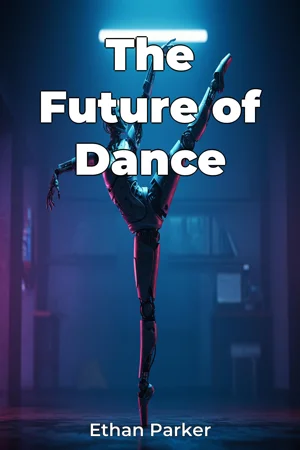
"The Future of Dance" explores the transformative intersection of dance and technology, forecasting how advancements like motion capture, artificial intelligence, and virtual reality will redefine performing arts. This book uniquely blends technological foresight with artistic analysis, moving beyond current trends to envision completely new dance forms. Imagine AI-assisted choreography generating novel movement sequences or virtual reality enabling dancers to collaborate remotely in immersive, shared environments. The book delves into three key areas: AI's role in choreography, VR/AR's impact on performance and training, and the influence of bio-integrated technologies on dancers' capabilities. It argues that technology won't replace human artistry but amplify it, fostering a symbiotic relationship. Readers gain practical insights into how these technologies can be applied in developing new dance works and innovative training programs. Structured in three parts, the book first introduces the core technologies, then analyzes their influence on choreography, and finally explores their impact on performance and training. It progresses from foundational concepts to ethical considerations, offering guidelines for responsible innovation. By considering the potential for algorithmic bias and the impact of virtual reality on live performance, the book encourages critical thinking about the future of dance.
Book Details
ISBN
9788235215666
Publisher
Publifye AS
Your Licenses
You don't own any licenses for this book
Purchase a license below to unlock this book and download the EPUB.
Purchase License
Select a tier to unlock this book
Need bulk licensing?
Contact us for enterprise agreements.