
About This Book
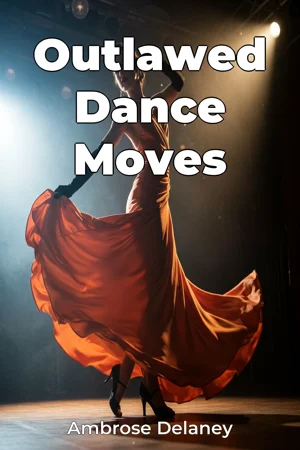
Have you ever considered that a dance move could be deemed illegal? "Outlawed Dance Moves" explores the fascinating and often surprising history of dances that have been banned or censored around the world. This is not just a history of steps and rhythms, but a cultural examination of power, morality, and the human desire for expression, delving into instances where dance became a battleground for societal norms. This book examines specific dance moves and styles, exploring the reasons behind their suppression. From the waltz, initially condemned for its close embrace, to more modern forms like rock and roll, deemed too suggestive, each case reveals deep-seated anxieties about social order, sexuality, and cultural change. A significant topic is the intersection of dance and religious authority, where expressions of movement often clashed with prescribed doctrines of modesty and decorum. This extends to the examination of dances originating within marginalized communities, highlighting how censorship became a tool to control and oppress. The historical context is critical. The book situates each dance move within its specific era, outlining related socio-political climates, religious influences, and economic structures that contributed to its outlawing. This provides readers with a fuller understanding of why certain movements were perceived as threatening and how these perceptions evolved over time. We review the period from the 1800's to the present day across the dance spectrum. The central argument is that the censorship of dance is rarely about the movements themselves, but rather a reflection of underlying social and political tensions. By examining these cases, we can gain insight into the values and fears of different societies throughout history, understanding how power structures attempt to control not only physical bodies but also cultural expression. The book is structured chronologically and thematically. It begins with an introduction to the concept of dance censorship, defining key terms and outlining the theoretical framework. The following chapters delve into specific examples of outlawed dances, analyzing the historical context, the nature of the objections, and the consequences for those who defied the ban. The book culminates in exploring the legacy of dance censorship in the modern era. The arguments presented are supported by archival research, historical documents, newspaper articles, and court records. First-hand accounts of dancers and cultural critics of the time are used to illustrate the impact of censorship on individuals and communities. Visual aids, such as photographs and illustrations, will further enhance the reader's understanding. This book connects to multiple fields. It intersects with sociology and gender studies, exploring how dance censorship often targets female sexuality and challenges to gender roles. It also ties into political science, analyzing how governments and institutions use censorship to maintain control and suppress dissent. Additionally, the book draws connections to legal studies by examining legal precedents and historical examples of legislation related to restricting public performances. "Outlawed Dance Moves" offers a unique perspective by focusing specifically on dance as a site of social and political conflict. While other works have explored censorship in general, this book dedicates itself to understanding the specific mechanisms and implications when movement and rhythm become targets of regulation. The tone is authoritative and engaging, designed to inform and provoke thought. The writing style is accessible to a broad audience, avoiding academic jargon while maintaining scholarly rigor. The target audience includes students and scholars of dance, history, cultural studies, and sociology, as well as general readers interested in the history of social movements and censorship. Individuals in the performing arts will find this book particularly valuable. As a history book, "Outlawed Dance Moves" adheres to the principles of factual accuracy, objectivity, and rigorous sourcing. It presents a balanced perspective, acknowledging different interpretations and avoiding generalizations. The book's scope is broad, encompassing examples of dance censorship from various cultures and historical periods. However, it is limited by the availability of historical records and the challenges of interpreting past events. There are also natural limitations of cases to highlight within a single volume. The information in this book can be applied to understand contemporary debates about freedom of expression, cultural appropriation, and the role of art in challenging social norms. It encourages readers to critically examine the motivations behind censorship and to appreciate the power of dance as a form of resistance and social commentary. The history of dance censorship is filled with controversies and debates, and this book addresses them directly, including differing views on the role of government regulation in the arts.
Have you ever considered that a dance move could be deemed illegal? "Outlawed Dance Moves" explores the fascinating and often surprising history of dances that have been banned or censored around the world. This is not just a history of steps and rhythms, but a cultural examination of power, morality, and the human desire for expression, delving into instances where dance became a battleground for societal norms. This book examines specific dance moves and styles, exploring the reasons behind their suppression. From the waltz, initially condemned for its close embrace, to more modern forms like rock and roll, deemed too suggestive, each case reveals deep-seated anxieties about social order, sexuality, and cultural change. A significant topic is the intersection of dance and religious authority, where expressions of movement often clashed with prescribed doctrines of modesty and decorum. This extends to the examination of dances originating within marginalized communities, highlighting how censorship became a tool to control and oppress. The historical context is critical. The book situates each dance move within its specific era, outlining related socio-political climates, religious influences, and economic structures that contributed to its outlawing. This provides readers with a fuller understanding of why certain movements were perceived as threatening and how these perceptions evolved over time. We review the period from the 1800's to the present day across the dance spectrum. The central argument is that the censorship of dance is rarely about the movements themselves, but rather a reflection of underlying social and political tensions. By examining these cases, we can gain insight into the values and fears of different societies throughout history, understanding how power structures attempt to control not only physical bodies but also cultural expression. The book is structured chronologically and thematically. It begins with an introduction to the concept of dance censorship, defining key terms and outlining the theoretical framework. The following chapters delve into specific examples of outlawed dances, analyzing the historical context, the nature of the objections, and the consequences for those who defied the ban. The book culminates in exploring the legacy of dance censorship in the modern era. The arguments presented are supported by archival research, historical documents, newspaper articles, and court records. First-hand accounts of dancers and cultural critics of the time are used to illustrate the impact of censorship on individuals and communities. Visual aids, such as photographs and illustrations, will further enhance the reader's understanding. This book connects to multiple fields. It intersects with sociology and gender studies, exploring how dance censorship often targets female sexuality and challenges to gender roles. It also ties into political science, analyzing how governments and institutions use censorship to maintain control and suppress dissent. Additionally, the book draws connections to legal studies by examining legal precedents and historical examples of legislation related to restricting public performances. "Outlawed Dance Moves" offers a unique perspective by focusing specifically on dance as a site of social and political conflict. While other works have explored censorship in general, this book dedicates itself to understanding the specific mechanisms and implications when movement and rhythm become targets of regulation. The tone is authoritative and engaging, designed to inform and provoke thought. The writing style is accessible to a broad audience, avoiding academic jargon while maintaining scholarly rigor. The target audience includes students and scholars of dance, history, cultural studies, and sociology, as well as general readers interested in the history of social movements and censorship. Individuals in the performing arts will find this book particularly valuable. As a history book, "Outlawed Dance Moves" adheres to the principles of factual accuracy, objectivity, and rigorous sourcing. It presents a balanced perspective, acknowledging different interpretations and avoiding generalizations. The book's scope is broad, encompassing examples of dance censorship from various cultures and historical periods. However, it is limited by the availability of historical records and the challenges of interpreting past events. There are also natural limitations of cases to highlight within a single volume. The information in this book can be applied to understand contemporary debates about freedom of expression, cultural appropriation, and the role of art in challenging social norms. It encourages readers to critically examine the motivations behind censorship and to appreciate the power of dance as a form of resistance and social commentary. The history of dance censorship is filled with controversies and debates, and this book addresses them directly, including differing views on the role of government regulation in the arts.
"Outlawed Dance Moves" unveils the compelling history of dance censorship, exploring how societies have policed movement and rhythm. It's more than just a chronicle of banned steps; it's a cultural examination of how dance has become a battleground for social norms and political tensions. The book highlights intriguing instances, such as the initial condemnation of the waltz for its intimate embrace. It also reviews the suppression of rock and roll, deemed too suggestive during its rise. The book argues that dance censorship often reflects deeper social and political anxieties. By examining specific examples of banned dances, the book provides insight into the values and fears of different societies. It illustrates how power structures have attempted to control both physical bodies and cultural expression. Exploring the intersection of dance and religious authority, it reveals clashes between movement and doctrines of modesty. Structured chronologically and thematically, the book begins with an introduction to dance censorship. It then delves into specific examples, analyzing historical contexts and objections. The book progresses to explore the legacy of dance censorship in the modern era. By focusing on dance, this book offers a unique perspective on social and political conflict.
Book Details
ISBN
9788235215635
Publisher
Publifye AS
Your Licenses
You don't own any licenses for this book
Purchase a license below to unlock this book and download the EPUB.
Purchase License
Select a tier to unlock this book
Need bulk licensing?
Contact us for enterprise agreements.