
About This Book
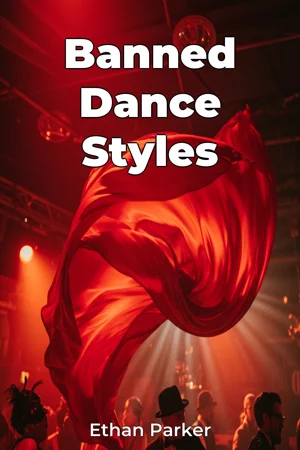
Why have certain dance forms throughout history been deemed so dangerous that authorities sought to suppress them? "Banned Dance Styles" explores the fascinating and often contentious relationship between dance, social norms, and political power, revealing how movements once considered revolutionary or indecent became integral parts of our cultural heritage. This book delves into the history of dances that faced censorship, prohibition, or social condemnation due to their perceived threat to established orders, moral codes, or cultural identities. The central argument of this book is that the suppression of dance is rarely about the movements themselves; rather, it is a reflection of anxieties surrounding social change, political dissent, and challenges to traditional power structures. Dance, as a powerful form of nonverbal communication and communal expression, has often served as a lightning rod for societal tensions. Understanding these historical bans provides crucial insights into the dynamics of cultural control and the resilience of artistic expression. "Banned Dance Styles" presents a comprehensive overview, beginning with an examination of the historical and social contexts that led to the prohibition of specific dance forms. Early chapters explore dances such as the Waltz, viewed initially as scandalous due to its close embrace, and the Charleston, which symbolized the rebellious spirit of the Roaring Twenties. The book then investigates dances associated with marginalized communities, including African and Indigenous dance traditions, detailing how colonizers and dominant cultures used bans to exert control and erase cultural identities. Specific attention is given to how religious authorities have historically opposed certain forms of dance, deeming them sinful or sacrilegious. Subsequent chapters analyze the Tango's complicated relationship with European and American societies and the censorship it endured. The book also closely examines the evolution and politicization of dances like breakdancing during the late 20th century. The research underpinning this book draws from diverse sources, including historical documents, legal records, newspaper archives, anthropological studies, and personal accounts of dancers and communities affected by these bans. The book also references dance notation, iconography, and visual documentation where available. "Banned Dance Styles" connects to several interdisciplinary fields. First, it intersects with sociology by examining how dance reflects and shapes social structures, norms, and identities. Second, it relates to political science by exploring how dance becomes a tool for both resistance and social control. Third, it interweaves with cultural studies, analyzing how dance contributes to the construction and negotiation of cultural meaning. This book takes a unique perspective by focusing not only on the dances themselves but also on the motivations and consequences of their suppression. It highlights how these bans often backfired, fueling the dances' popularity and solidifying their place in cultural history. This book adopts a narrative non-fiction style, blending historical analysis with engaging storytelling to make complex topics accessible to a broad audience. The intended audience includes students and scholars of dance, history, sociology, and cultural studies, as well as anyone interested in the relationship between art and society, and the history of social movements. The book is designed to appeal to readers interested in human rights, artistic expression, and social justice. In line with the conventions of historical non-fiction, the book emphasizes factual accuracy, thorough research, and balanced perspectives. While "Banned Dance Styles" aims to provide a broad overview of dance bans across various cultures and time periods, it acknowledges the limitations of covering every instance in exhaustive detail. The scope is limited to dances where documented evidence of suppression or significant social condemnation exists. The information presented in this book has real-world applications for understanding contemporary debates surrounding cultural appropriation, censorship, and the role of art in social movements. Examples of present-day dance-related controversies, either from a performance or an actual dance and or movement context and the subsequent reaction of individuals or communities are explored. By examining historical precedents, readers can gain insights into the ongoing struggles for artistic freedom and cultural expression. The book addresses ongoing debates regarding the role of cultural appropriation in contemporary dance, the balance between artistic expression and social responsibility, and the legacy of colonialism in shaping perceptions of dance from marginalized communities.
Why have certain dance forms throughout history been deemed so dangerous that authorities sought to suppress them? "Banned Dance Styles" explores the fascinating and often contentious relationship between dance, social norms, and political power, revealing how movements once considered revolutionary or indecent became integral parts of our cultural heritage. This book delves into the history of dances that faced censorship, prohibition, or social condemnation due to their perceived threat to established orders, moral codes, or cultural identities. The central argument of this book is that the suppression of dance is rarely about the movements themselves; rather, it is a reflection of anxieties surrounding social change, political dissent, and challenges to traditional power structures. Dance, as a powerful form of nonverbal communication and communal expression, has often served as a lightning rod for societal tensions. Understanding these historical bans provides crucial insights into the dynamics of cultural control and the resilience of artistic expression. "Banned Dance Styles" presents a comprehensive overview, beginning with an examination of the historical and social contexts that led to the prohibition of specific dance forms. Early chapters explore dances such as the Waltz, viewed initially as scandalous due to its close embrace, and the Charleston, which symbolized the rebellious spirit of the Roaring Twenties. The book then investigates dances associated with marginalized communities, including African and Indigenous dance traditions, detailing how colonizers and dominant cultures used bans to exert control and erase cultural identities. Specific attention is given to how religious authorities have historically opposed certain forms of dance, deeming them sinful or sacrilegious. Subsequent chapters analyze the Tango's complicated relationship with European and American societies and the censorship it endured. The book also closely examines the evolution and politicization of dances like breakdancing during the late 20th century. The research underpinning this book draws from diverse sources, including historical documents, legal records, newspaper archives, anthropological studies, and personal accounts of dancers and communities affected by these bans. The book also references dance notation, iconography, and visual documentation where available. "Banned Dance Styles" connects to several interdisciplinary fields. First, it intersects with sociology by examining how dance reflects and shapes social structures, norms, and identities. Second, it relates to political science by exploring how dance becomes a tool for both resistance and social control. Third, it interweaves with cultural studies, analyzing how dance contributes to the construction and negotiation of cultural meaning. This book takes a unique perspective by focusing not only on the dances themselves but also on the motivations and consequences of their suppression. It highlights how these bans often backfired, fueling the dances' popularity and solidifying their place in cultural history. This book adopts a narrative non-fiction style, blending historical analysis with engaging storytelling to make complex topics accessible to a broad audience. The intended audience includes students and scholars of dance, history, sociology, and cultural studies, as well as anyone interested in the relationship between art and society, and the history of social movements. The book is designed to appeal to readers interested in human rights, artistic expression, and social justice. In line with the conventions of historical non-fiction, the book emphasizes factual accuracy, thorough research, and balanced perspectives. While "Banned Dance Styles" aims to provide a broad overview of dance bans across various cultures and time periods, it acknowledges the limitations of covering every instance in exhaustive detail. The scope is limited to dances where documented evidence of suppression or significant social condemnation exists. The information presented in this book has real-world applications for understanding contemporary debates surrounding cultural appropriation, censorship, and the role of art in social movements. Examples of present-day dance-related controversies, either from a performance or an actual dance and or movement context and the subsequent reaction of individuals or communities are explored. By examining historical precedents, readers can gain insights into the ongoing struggles for artistic freedom and cultural expression. The book addresses ongoing debates regarding the role of cultural appropriation in contemporary dance, the balance between artistic expression and social responsibility, and the legacy of colonialism in shaping perceptions of dance from marginalized communities.
"Banned Dance Styles" explores the fascinating history of dances that have been censored or prohibited, revealing the complex interplay between dance, social norms, and political power. It argues that these bans often reflect societal anxieties about social change and challenges to established power structures, rather than the movements themselves. The book examines how what was once deemed revolutionary or indecent can become an integral part of cultural heritage, using the suppression of dance as a lens to understand cultural control and the resilience of artistic expression. The book begins by examining historical and social contexts, exploring dances like the Waltz and the Charleston, which faced initial condemnation. It then investigates dances associated with marginalized communities, detailing how bans were used to exert control and erase cultural identities. Later chapters delve into the Tango's complicated relationship with society and the politicization of dances like breakdancing. Through historical documents, legal records, and personal accounts, the book presents a comprehensive overview of how dance has served as a lightning rod for societal tensions. This unique perspective focuses on the motivations and consequences of dance suppression, highlighting how bans often backfired, fueling popularity and solidifying cultural significance. By blending historical analysis with engaging storytelling, "Banned Dance Styles" connects to interdisciplinary fields like sociology, political science, and cultural studies, examining how dance reflects and shapes social structures and norms. It emphasizes factual accuracy and balanced perspectives, providing insights into ongoing debates surrounding cultural appropriation, censorship, and the role of art in social movements.
Book Details
ISBN
9788235215574
Publisher
Publifye AS
Your Licenses
You don't own any licenses for this book
Purchase a license below to unlock this book and download the EPUB.
Purchase License
Select a tier to unlock this book
Need bulk licensing?
Contact us for enterprise agreements.