
About This Book
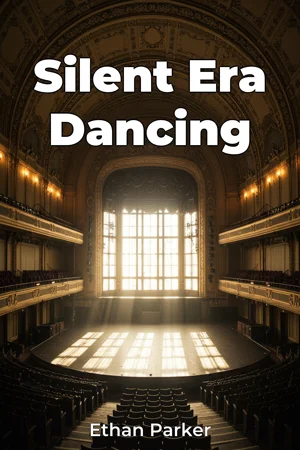
How did the graceful steps and emotive gestures of dance become a foundational language for the silent screen, shaping narrative and character in ways dialogue could not? "Silent Era Dancing" explores the symbiotic relationship between dance and early cinema, revealing how choreographic principles and performative movement revolutionized visual storytelling. This book delves into three key areas: the incorporation of theatrical dance forms into film, the development of specifically cinematic dance idioms, and the impact of dance on acting styles in the silent era. These topics are crucial because they illuminate a largely unexplored dimension of early film history, demonstrating how movement served not just as entertainment but as a core element of cinematic expression. The silent era, spanning roughly from 1894 to the late 1920s, presented unique challenges for filmmakers. Without spoken dialogue, they relied heavily on visual techniques to convey emotion, plot, and character. Dance, already a well-established art form, offered a rich vocabulary of gestures, expressions, and rhythmic movements that could be readily adapted to the screen. This book assumes readers have a basic understanding of film history and an appreciation for the performing arts, but no specialized knowledge is required. The central argument of "Silent Era Dancing" is that dance was not merely a peripheral element in silent films but a fundamental language that shaped the development of cinematic grammar. It contends that the techniques and aesthetics of dance influenced everything from mise-en-scène and editing to acting styles and narrative structure. This argument is essential because it challenges traditional views of silent cinema, which often overlook the significant contribution of dance and physical performance. The book is structured to progressively build upon this argument. First, it introduces the historical context of dance in the early 20th century, examining popular theatrical forms like ballet, vaudeville, and early modern dance. Second, it analyzes specific films and performers, showcasing how dance sequences were integrated into narratives and how choreographic principles shaped the overall visual aesthetic. Major points include the use of balletic movement to convey elegance and grace, the adaptation of vaudeville routines for comedic effect, and the influence of modern dance on the expression of psychological states. Finally, the book culminates by exploring the legacy of silent era dancing on later cinematic forms, demonstrating its lasting impact on the art of filmmaking. The conclusion explores the use of gestures and movement that are still with us today. The evidence presented in "Silent Era Dancing" is drawn from a variety of sources, including archival film footage, historical reviews, personal papers of dancers and filmmakers, and early cinema periodicals. Unique data sources include newly digitized collections of silent films and rare photographs of dance performances. The research methodology involves close textual analysis of films, historical contextualization of dance practices, and comparative studies of dance and cinematic techniques. Interdisciplinary connections are explored through dance history, film studies, and social history. The book connects to dance history by tracing the evolution of dance forms and their adaptation to the screen. It connects to film studies by providing a fresh perspective on the aesthetic and narrative conventions of silent cinema. It connects to social history by examining how dance reflected and shaped cultural attitudes toward gender, class, and modernity. "Silent Era Dancing" offers a unique perspective by focusing specifically on the role of dance as a formative influence on early cinema. This approach fills a gap in existing scholarship, which tends to treat dance as a secondary or marginal aspect of silent film. The tone of the book is academic but accessible, aiming to engage both scholars and general readers with an interest in film and dance history. The writing style is clear, concise, and engaging, with detailed analyses of films and performances supported by vivid descriptions and illustrative examples. The intended audience includes scholars and students of film and dance studies, as well as anyone interested in the history of silent cinema and the performing arts. This book would be valuable to them because it provides a comprehensive and insightful analysis of a neglected aspect of film history, offering new perspectives on the aesthetic and cultural significance of silent cinema. As non-fiction within Film & Television, and Performing Arts, genre expectations include rigorous research, clear argumentation, and detailed analysis of primary sources. The book adheres to these conventions by providing extensive documentation, a well-defined thesis, and in-depth case studies of specific films and performers. The scope of "Silent Era Dancing" is limited to the silent era, focusing primarily on American and European films. This intentional limitation allows for a more in-depth analysis of the specific historical and cultural context of dance in early cinema. The information in this book can be applied practically by filmmakers, dancers, and scholars seeking inspiration and insights into the expressive possibilities of movement. It can also inform contemporary discussions about the relationship between technology and the body, as well as the role of nonverbal communication in visual storytelling. While dance's influence is undeniable, there are debates regarding its impact versus other theatrical techniques. This book engages with such discussions.
How did the graceful steps and emotive gestures of dance become a foundational language for the silent screen, shaping narrative and character in ways dialogue could not? "Silent Era Dancing" explores the symbiotic relationship between dance and early cinema, revealing how choreographic principles and performative movement revolutionized visual storytelling. This book delves into three key areas: the incorporation of theatrical dance forms into film, the development of specifically cinematic dance idioms, and the impact of dance on acting styles in the silent era. These topics are crucial because they illuminate a largely unexplored dimension of early film history, demonstrating how movement served not just as entertainment but as a core element of cinematic expression. The silent era, spanning roughly from 1894 to the late 1920s, presented unique challenges for filmmakers. Without spoken dialogue, they relied heavily on visual techniques to convey emotion, plot, and character. Dance, already a well-established art form, offered a rich vocabulary of gestures, expressions, and rhythmic movements that could be readily adapted to the screen. This book assumes readers have a basic understanding of film history and an appreciation for the performing arts, but no specialized knowledge is required. The central argument of "Silent Era Dancing" is that dance was not merely a peripheral element in silent films but a fundamental language that shaped the development of cinematic grammar. It contends that the techniques and aesthetics of dance influenced everything from mise-en-scène and editing to acting styles and narrative structure. This argument is essential because it challenges traditional views of silent cinema, which often overlook the significant contribution of dance and physical performance. The book is structured to progressively build upon this argument. First, it introduces the historical context of dance in the early 20th century, examining popular theatrical forms like ballet, vaudeville, and early modern dance. Second, it analyzes specific films and performers, showcasing how dance sequences were integrated into narratives and how choreographic principles shaped the overall visual aesthetic. Major points include the use of balletic movement to convey elegance and grace, the adaptation of vaudeville routines for comedic effect, and the influence of modern dance on the expression of psychological states. Finally, the book culminates by exploring the legacy of silent era dancing on later cinematic forms, demonstrating its lasting impact on the art of filmmaking. The conclusion explores the use of gestures and movement that are still with us today. The evidence presented in "Silent Era Dancing" is drawn from a variety of sources, including archival film footage, historical reviews, personal papers of dancers and filmmakers, and early cinema periodicals. Unique data sources include newly digitized collections of silent films and rare photographs of dance performances. The research methodology involves close textual analysis of films, historical contextualization of dance practices, and comparative studies of dance and cinematic techniques. Interdisciplinary connections are explored through dance history, film studies, and social history. The book connects to dance history by tracing the evolution of dance forms and their adaptation to the screen. It connects to film studies by providing a fresh perspective on the aesthetic and narrative conventions of silent cinema. It connects to social history by examining how dance reflected and shaped cultural attitudes toward gender, class, and modernity. "Silent Era Dancing" offers a unique perspective by focusing specifically on the role of dance as a formative influence on early cinema. This approach fills a gap in existing scholarship, which tends to treat dance as a secondary or marginal aspect of silent film. The tone of the book is academic but accessible, aiming to engage both scholars and general readers with an interest in film and dance history. The writing style is clear, concise, and engaging, with detailed analyses of films and performances supported by vivid descriptions and illustrative examples. The intended audience includes scholars and students of film and dance studies, as well as anyone interested in the history of silent cinema and the performing arts. This book would be valuable to them because it provides a comprehensive and insightful analysis of a neglected aspect of film history, offering new perspectives on the aesthetic and cultural significance of silent cinema. As non-fiction within Film & Television, and Performing Arts, genre expectations include rigorous research, clear argumentation, and detailed analysis of primary sources. The book adheres to these conventions by providing extensive documentation, a well-defined thesis, and in-depth case studies of specific films and performers. The scope of "Silent Era Dancing" is limited to the silent era, focusing primarily on American and European films. This intentional limitation allows for a more in-depth analysis of the specific historical and cultural context of dance in early cinema. The information in this book can be applied practically by filmmakers, dancers, and scholars seeking inspiration and insights into the expressive possibilities of movement. It can also inform contemporary discussions about the relationship between technology and the body, as well as the role of nonverbal communication in visual storytelling. While dance's influence is undeniable, there are debates regarding its impact versus other theatrical techniques. This book engages with such discussions.
"Silent Era Dancing" unveils the pivotal role of dance in shaping early cinema's visual language. The book explores how dance, a well-established art form, provided filmmakers with a vocabulary of gestures and movements to convey emotions and narratives in the absence of spoken dialogue. Dance wasn't merely entertainment; it was a fundamental element that influenced everything from set design to acting styles. Readers will discover how balletic movements conveyed elegance, and vaudeville routines added comedic flair, demonstrating dance's broad impact. This book argues that dance significantly shaped cinematic grammar, challenging conventional views that often overlook its importance. By examining theatrical dance forms, specifically cinematic dance idioms, and their influence on acting styles, the author highlights dance's revolutionary impact on visual storytelling. The book progresses by first introducing the historical context of dance, then analyzing specific films and performances, and culminating in an exploration of silent era dancing's legacy on later cinematic forms, illustrating its lasting impact on filmmaking.
Book Details
ISBN
9788235215550
Publisher
Publifye AS
Your Licenses
You don't own any licenses for this book
Purchase a license below to unlock this book and download the EPUB.
Purchase License
Select a tier to unlock this book
Need bulk licensing?
Contact us for enterprise agreements.