
About This Book
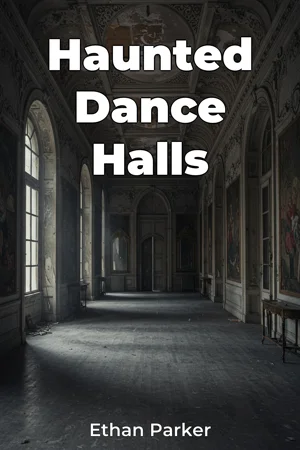
Have you ever felt a chill run down your spine in an empty theater, or sensed a presence while lost in the echo of an old ballroom? This book, *Haunted Dance Halls*, delves into the spectral stories woven into the architecture and history of performance spaces. It explores the enduring fascination with reported paranormal activity in theaters, studios, and ballrooms, examining the cultural, historical, and psychological factors that contribute to these haunting narratives. The book centers around three core themes: the history of performance spaces as community hubs, the psychological impact of dramatic arts and storytelling on perceptions of reality, and the sociological implications of shared ghost stories. Understanding the historical significance of these venues – places where communities gathered, celebrated, and mourned – is crucial to grasping why they become focal points for alleged paranormal phenomena. Similarly, exploring how storytelling and performance art can blur the lines between reality and imagination sheds light on the human tendency to project emotions and narratives onto physical spaces. Analyzing these shared stories reveals how communities process grief, maintain traditions, and construct a sense of collective identity. *Haunted Dance Halls* argues that the perceived hauntings of theaters, studios, and ballrooms are not simply anecdotal occurrences but rather a reflection of our complex relationship with history, memory, and storytelling. The book posits that these spaces, imbued with the energy of past performances and emotional events, serve as cultural touchstones, amplifying both conscious and subconscious anxieties and beliefs. The book is organized into three distinct sections. The first section introduces the historical context of performance spaces, tracing their evolution from ancient amphitheaters to modern-day studios. It examines the social role these venues played in shaping community identity and fostering artistic expression. The second section investigates the psychological dimensions of hauntings, drawing on insights from psychology and folklore to understand why certain spaces are more prone to perceived paranormal activity. This section explores the power of suggestion, the impact of collective belief, and the role of sensory perception in shaping our experiences. The third section analyzes specific case studies of reportedly haunted theaters, studios, and ballrooms across the globe, examining the recurring themes and motifs that emerge in these narratives. The evidence presented in this book draws from a wide range of sources, including historical archives, architectural records, newspaper accounts, folklore studies, and interviews with performers, staff, and individuals who claim to have experienced paranormal activity in these locations. This interdisciplinary approach allows for a nuanced understanding of the complex interplay between history, culture, and belief. *Haunted Dance Halls* connects to other fields of study, including history, folklore, psychology, and architectural studies. By examining the historical context of performance spaces, the book contributes to our understanding of cultural heritage and community identity. Drawing on insights from folklore, it explores the role of storytelling in shaping our perceptions of reality and transmitting cultural values across generations. By engaging with psychology, the book sheds light on the cognitive and emotional processes that contribute to belief formation and paranormal experiences. The book’s architectural element makes this book about more than just the stories, it’s about the space itself. This book stands out for its balanced and nuanced perspective, resisting sensationalism while acknowledging the enduring power of ghost stories. It refrains from making definitive claims about the existence of ghosts, instead focusing on exploring the cultural and psychological factors that contribute to the perception of hauntings. The book’s narrative non-fiction style attempts to engage readers with compelling storytelling that is grounded in solid research and analysis. The target audience includes history buffs, theater enthusiasts, students of folklore and psychology, and anyone who enjoys a good ghost story with a deeper cultural context. The book offers a unique perspective on familiar narratives, encouraging readers to think critically about the stories we tell ourselves and the spaces we inhabit. *Haunted Dance Halls* is a focused examination of purported hauntings within the world of performance, and specifically avoids delving into domestic hauntings or battleground locations. The information presented in this book can be applied to a variety of real-world contexts. For example, theater managers and event organizers can use this knowledge to create more immersive and engaging experiences for their audiences. Historians and folklorists can utilize these case studies to better understand the cultural significance of ghost stories. Psychologists can draw on these narratives to explore the cognitive and emotional processes underlying belief formation and paranormal experiences. This book addresses ongoing debates about the nature of evidence for paranormal phenomena and the validity of subjective experiences. By presenting a balanced and nuanced perspective, it aims to foster informed discussion and critical thinking about these complex issues.
Have you ever felt a chill run down your spine in an empty theater, or sensed a presence while lost in the echo of an old ballroom? This book, *Haunted Dance Halls*, delves into the spectral stories woven into the architecture and history of performance spaces. It explores the enduring fascination with reported paranormal activity in theaters, studios, and ballrooms, examining the cultural, historical, and psychological factors that contribute to these haunting narratives. The book centers around three core themes: the history of performance spaces as community hubs, the psychological impact of dramatic arts and storytelling on perceptions of reality, and the sociological implications of shared ghost stories. Understanding the historical significance of these venues – places where communities gathered, celebrated, and mourned – is crucial to grasping why they become focal points for alleged paranormal phenomena. Similarly, exploring how storytelling and performance art can blur the lines between reality and imagination sheds light on the human tendency to project emotions and narratives onto physical spaces. Analyzing these shared stories reveals how communities process grief, maintain traditions, and construct a sense of collective identity. *Haunted Dance Halls* argues that the perceived hauntings of theaters, studios, and ballrooms are not simply anecdotal occurrences but rather a reflection of our complex relationship with history, memory, and storytelling. The book posits that these spaces, imbued with the energy of past performances and emotional events, serve as cultural touchstones, amplifying both conscious and subconscious anxieties and beliefs. The book is organized into three distinct sections. The first section introduces the historical context of performance spaces, tracing their evolution from ancient amphitheaters to modern-day studios. It examines the social role these venues played in shaping community identity and fostering artistic expression. The second section investigates the psychological dimensions of hauntings, drawing on insights from psychology and folklore to understand why certain spaces are more prone to perceived paranormal activity. This section explores the power of suggestion, the impact of collective belief, and the role of sensory perception in shaping our experiences. The third section analyzes specific case studies of reportedly haunted theaters, studios, and ballrooms across the globe, examining the recurring themes and motifs that emerge in these narratives. The evidence presented in this book draws from a wide range of sources, including historical archives, architectural records, newspaper accounts, folklore studies, and interviews with performers, staff, and individuals who claim to have experienced paranormal activity in these locations. This interdisciplinary approach allows for a nuanced understanding of the complex interplay between history, culture, and belief. *Haunted Dance Halls* connects to other fields of study, including history, folklore, psychology, and architectural studies. By examining the historical context of performance spaces, the book contributes to our understanding of cultural heritage and community identity. Drawing on insights from folklore, it explores the role of storytelling in shaping our perceptions of reality and transmitting cultural values across generations. By engaging with psychology, the book sheds light on the cognitive and emotional processes that contribute to belief formation and paranormal experiences. The book’s architectural element makes this book about more than just the stories, it’s about the space itself. This book stands out for its balanced and nuanced perspective, resisting sensationalism while acknowledging the enduring power of ghost stories. It refrains from making definitive claims about the existence of ghosts, instead focusing on exploring the cultural and psychological factors that contribute to the perception of hauntings. The book’s narrative non-fiction style attempts to engage readers with compelling storytelling that is grounded in solid research and analysis. The target audience includes history buffs, theater enthusiasts, students of folklore and psychology, and anyone who enjoys a good ghost story with a deeper cultural context. The book offers a unique perspective on familiar narratives, encouraging readers to think critically about the stories we tell ourselves and the spaces we inhabit. *Haunted Dance Halls* is a focused examination of purported hauntings within the world of performance, and specifically avoids delving into domestic hauntings or battleground locations. The information presented in this book can be applied to a variety of real-world contexts. For example, theater managers and event organizers can use this knowledge to create more immersive and engaging experiences for their audiences. Historians and folklorists can utilize these case studies to better understand the cultural significance of ghost stories. Psychologists can draw on these narratives to explore the cognitive and emotional processes underlying belief formation and paranormal experiences. This book addresses ongoing debates about the nature of evidence for paranormal phenomena and the validity of subjective experiences. By presenting a balanced and nuanced perspective, it aims to foster informed discussion and critical thinking about these complex issues.
"Haunted Dance Halls" explores the eerie side of performance spaces, delving into the ghost stories and paranormal activity reported in theaters, ballrooms, and studios. It examines why these locations, steeped in history and emotion, become magnets for hauntings. These spaces, once vibrant community hubs, now echo with tales of unexplained phenomena; interestingly, the book posits that these perceived hauntings reflect our complex relationship with memory and storytelling, rather than merely anecdotal occurrences. The book investigates the cultural, psychological, and historical dimensions of these hauntings. It looks at the psychological impact of dramatic arts and storytelling on perceptions of reality and analyzes how shared ghost stories shape community identity. Organized into three sections, the book first examines the historical context of performance spaces, then explores the psychological aspects of hauntings, and finally analyzes specific case studies from around the world. By drawing on historical archives, folklore studies, and interviews, "Haunted Dance Halls" avoids sensationalism, offering a balanced perspective on the enduring power of ghost stories. This approach allows readers to think critically about the stories we tell ourselves and the spaces we inhabit, appealing to history buffs, theater enthusiasts, and anyone fascinated by the intersection of culture, psychology, and the paranormal.
Book Details
ISBN
9788235215475
Publisher
Publifye AS
Your Licenses
You don't own any licenses for this book
Purchase a license below to unlock this book and download the EPUB.
Purchase License
Select a tier to unlock this book
Need bulk licensing?
Contact us for enterprise agreements.