
About This Book
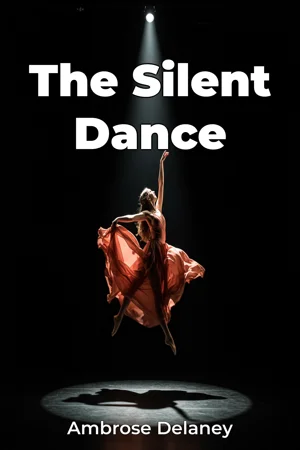
Can a story truly unfold, emotions resonate, and complex ideas be conveyed without uttering a single word? *The Silent Dance: Exploring Non-Verbal Narrative in Performance* delves into the captivating world of dance as a potent form of storytelling, illuminating the ways in which movement transcends linguistic barriers to communicate profound narratives. This book explores the core principles of non-verbal communication, the historical evolution of dance as a narrative art form, and the cognitive processes that allow audiences to interpret meaning from movement. Dance provides an exceptional platform for non-verbal storytelling. We examine how choreographers and dancers leverage gesture, posture, rhythm, and spatial relationships to craft compelling narratives. A central concept involves understanding how audiences interpret these non-verbal cues, drawing on their own experiences and cultural context to construct meaning. Why is this important? In an increasingly interconnected world, the ability to communicate and understand narratives that transcend language is invaluable. It fosters empathy, bridges cultural divides, and offers unique insights into the human condition. Historically, dance has served as a primary mode of communication, predating written language in many cultures. From ancient rituals to classical ballets, movement has been used to convey myths, histories, and social values. The book traces this evolution, examining key periods and influential figures who have shaped the art of dance narrative. Grasping this historical trajectory provides essential context for appreciating the sophisticated techniques employed by contemporary dance artists. The central argument posits that dance possesses a unique capacity to access and express emotions and ideas that are difficult, if not impossible, to articulate through language alone. This is because movement engages the body and the senses in ways that words often cannot. We demonstrate that dance offers a powerful alternative mode of communication, expanding our understanding of human expression. The book is organized into several key sections. First, it introduces the fundamental principles of non-verbal communication and semiotics as they apply to dance. Second, it delves into the history of narrative dance, tracing its development across different cultures and time periods. Third, the book analyzes specific choreographic works, dissecting the techniques used to create and convey meaning. Fourth, it explores the cognitive processes involved in interpreting dance, drawing on research in neuroscience and psychology. Finally, it examines the practical applications of dance in diverse fields, such as education, therapy, and cross-cultural communication. The arguments are supported by a range of evidence, including detailed analyses of dance performances, interviews with choreographers and dancers, historical accounts of dance traditions, and scientific studies on the perception of movement. We draw upon archival materials, performance footage, and scholarly literature from diverse fields. *The Silent Dance* builds connections across multiple disciplines. It intersects with semiotics, exploring the use of symbols and signs in movement; psychology, examining the emotional and cognitive impact of dance on audiences; and cultural studies, investigating the role of dance in shaping and reflecting social values. These interdisciplinary connections enrich the analysis. The book provides a unique perspective by focusing on the cognitive and emotional mechanisms that underlie our ability to understand dance narratives. It moves beyond purely aesthetic interpretations to explore the deeper communicative power of movement. The writing style is accessible and engaging, designed to appeal to both dance enthusiasts and readers with a general interest in the performing arts. While grounded in rigorous research, the book avoids jargon and employs clear and concise language. The target audience includes students and scholars of dance, theater, performance studies, and communication, as well as dancers, choreographers, and anyone interested in exploring the power of non-verbal communication. The book offers valuable insights into the creative process, the interpretation of art, and the potential of dance to foster understanding and empathy. As a work of art and performing arts non-fiction, this book adheres to the conventions of scholarly research while also incorporating elements of storytelling and personal reflection. It balances objective analysis. The scope of the book focuses primarily on Western contemporary and classical dance traditions but also acknowledges and incorporates relevant examples from other cultures. While it provides a broad overview of narrative dance, it does not attempt to be an exhaustive history of dance. The information presented in *The Silent Dance* can be applied practically in various contexts. Dancers and choreographers can use it to refine their storytelling techniques. Educators can use it to teach students about non-verbal communication. Therapists can use it to help patients express emotions and improve their communication skills. One ongoing debate in the field concerns the relative importance of the choreographer's intent versus the audience's interpretation in shaping the meaning of a dance narrative. While acknowledging the validity of both perspectives, this book emphasizes the dynamic interplay between the two, arguing that meaning emerges from the interaction between the artist and the audience.
Can a story truly unfold, emotions resonate, and complex ideas be conveyed without uttering a single word? *The Silent Dance: Exploring Non-Verbal Narrative in Performance* delves into the captivating world of dance as a potent form of storytelling, illuminating the ways in which movement transcends linguistic barriers to communicate profound narratives. This book explores the core principles of non-verbal communication, the historical evolution of dance as a narrative art form, and the cognitive processes that allow audiences to interpret meaning from movement. Dance provides an exceptional platform for non-verbal storytelling. We examine how choreographers and dancers leverage gesture, posture, rhythm, and spatial relationships to craft compelling narratives. A central concept involves understanding how audiences interpret these non-verbal cues, drawing on their own experiences and cultural context to construct meaning. Why is this important? In an increasingly interconnected world, the ability to communicate and understand narratives that transcend language is invaluable. It fosters empathy, bridges cultural divides, and offers unique insights into the human condition. Historically, dance has served as a primary mode of communication, predating written language in many cultures. From ancient rituals to classical ballets, movement has been used to convey myths, histories, and social values. The book traces this evolution, examining key periods and influential figures who have shaped the art of dance narrative. Grasping this historical trajectory provides essential context for appreciating the sophisticated techniques employed by contemporary dance artists. The central argument posits that dance possesses a unique capacity to access and express emotions and ideas that are difficult, if not impossible, to articulate through language alone. This is because movement engages the body and the senses in ways that words often cannot. We demonstrate that dance offers a powerful alternative mode of communication, expanding our understanding of human expression. The book is organized into several key sections. First, it introduces the fundamental principles of non-verbal communication and semiotics as they apply to dance. Second, it delves into the history of narrative dance, tracing its development across different cultures and time periods. Third, the book analyzes specific choreographic works, dissecting the techniques used to create and convey meaning. Fourth, it explores the cognitive processes involved in interpreting dance, drawing on research in neuroscience and psychology. Finally, it examines the practical applications of dance in diverse fields, such as education, therapy, and cross-cultural communication. The arguments are supported by a range of evidence, including detailed analyses of dance performances, interviews with choreographers and dancers, historical accounts of dance traditions, and scientific studies on the perception of movement. We draw upon archival materials, performance footage, and scholarly literature from diverse fields. *The Silent Dance* builds connections across multiple disciplines. It intersects with semiotics, exploring the use of symbols and signs in movement; psychology, examining the emotional and cognitive impact of dance on audiences; and cultural studies, investigating the role of dance in shaping and reflecting social values. These interdisciplinary connections enrich the analysis. The book provides a unique perspective by focusing on the cognitive and emotional mechanisms that underlie our ability to understand dance narratives. It moves beyond purely aesthetic interpretations to explore the deeper communicative power of movement. The writing style is accessible and engaging, designed to appeal to both dance enthusiasts and readers with a general interest in the performing arts. While grounded in rigorous research, the book avoids jargon and employs clear and concise language. The target audience includes students and scholars of dance, theater, performance studies, and communication, as well as dancers, choreographers, and anyone interested in exploring the power of non-verbal communication. The book offers valuable insights into the creative process, the interpretation of art, and the potential of dance to foster understanding and empathy. As a work of art and performing arts non-fiction, this book adheres to the conventions of scholarly research while also incorporating elements of storytelling and personal reflection. It balances objective analysis. The scope of the book focuses primarily on Western contemporary and classical dance traditions but also acknowledges and incorporates relevant examples from other cultures. While it provides a broad overview of narrative dance, it does not attempt to be an exhaustive history of dance. The information presented in *The Silent Dance* can be applied practically in various contexts. Dancers and choreographers can use it to refine their storytelling techniques. Educators can use it to teach students about non-verbal communication. Therapists can use it to help patients express emotions and improve their communication skills. One ongoing debate in the field concerns the relative importance of the choreographer's intent versus the audience's interpretation in shaping the meaning of a dance narrative. While acknowledging the validity of both perspectives, this book emphasizes the dynamic interplay between the two, arguing that meaning emerges from the interaction between the artist and the audience.
"The Silent Dance: Exploring Non-Verbal Narrative in Performance" unveils the compelling power of dance as a form of storytelling that transcends spoken language. It explores how movement, gesture, and rhythm converge to create narratives, diving into the semiotics of dance and how audiences interpret these non-verbal cues. Dance has historically served as a fundamental communication mode, predating written language in many cultures, conveying myths, histories, and social values through carefully crafted choreography. The book examines the evolution of narrative dance across cultures and time periods, analyzing specific choreographic works to dissect meaning-creation techniques. It uniquely focuses on the cognitive and emotional mechanisms that enable us to understand dance narratives, drawing on research in neuroscience and psychology. This approach highlights dance's capacity to express emotions and ideas that words often cannot, offering an alternative mode of communication. Organized into key sections, the book first introduces non-verbal communication principles, then delves into dance history, analyzes choreographic works, explores interpretation cognition, and examines practical applications. Through detailed performance analyses, choreographer interviews, and historical accounts, "The Silent Dance" builds interdisciplinary connections, enriching the understanding of this expressive art form.
Book Details
ISBN
9788235215444
Publisher
Publifye AS
Your Licenses
You don't own any licenses for this book
Purchase a license below to unlock this book and download the EPUB.
Purchase License
Select a tier to unlock this book
Need bulk licensing?
Contact us for enterprise agreements.