
About This Book
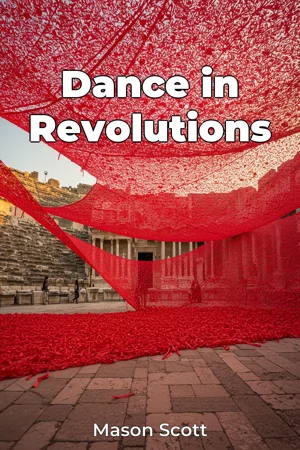
Can movement truly ignite revolution? "Dance in Revolutions" explores the potent and often overlooked role of dance as a catalyst for social and political change throughout history. This book examines how dance has served as a powerful tool for protest, resistance, and collective identity formation across diverse cultures and historical periods. Two central themes explored are: dance as a form of non-violent protest and dance as a means of solidifying communal identity during times of upheaval. Understanding these themes is critical because they reveal a deeper dimension of social movements, highlighting the embodied experiences and cultural expressions that drive collective action. Dance is not merely entertainment; it is a potent form of communication that can transcend linguistic barriers and express solidarity, resistance, and hope. The book provides historical context by examining specific instances where dance played a pivotal role, such as indigenous resistance movements, labor strikes, and civil rights protests. Readers do not need specialized knowledge of dance theory or history to understand the book's arguments, as key concepts are explained clearly and accessibly. The central argument is that dance serves as a unique form of political expression, capable of challenging oppressive power structures and fostering social cohesion. This argument is significant because it broadens our understanding of resistance movements beyond traditional political activities, emphasizing the role of art and culture in shaping social change. The book unfolds in a structured manner. First, it introduces the theoretical framework for understanding dance as a form of political action. Second, it presents detailed case studies illustrating the diverse ways dance has been employed in revolutions across various geographical and historical contexts. These case studies are organized thematically, exploring specific functions of dance, such as its use in building solidarity, expressing dissent, and reclaiming cultural identity. Finally, the book synthesizes these case studies to draw broader conclusions about the role of dance in social movements and considers its implications for contemporary activism. The evidence presented in the book draws from a variety of sources, including archival materials, ethnographic studies, personal accounts, and visual media. The analysis incorporates interdisciplinary perspectives from history, sociology, anthropology, and performance studies. "Dance in Revolutions" connects to fields such as sociology through its exploration of collective behavior and social movements, to anthropology through its analysis of cultural expression and ritual, and to political science through its examination of power dynamics and resistance. These interdisciplinary connections enrich the analysis by providing multiple lenses through which to understand the complex relationship between dance and revolution. The book offers a fresh perspective by focusing specifically on the embodied and performative aspects of resistance. It moves beyond traditional analyses of political discourse to consider how movement itself can be a form of political speech. Written in an accessible and engaging style, "Dance in Revolutions" is aimed at students, researchers, activists, and anyone interested in the intersection of art, politics, and social change. The book’s value lies in providing a nuanced understanding of the power of dance to shape history and inspire action. As a work of non-fiction, "Dance in Revolutions" adheres to the standards of scholarly research, ensuring accuracy, objectivity, and thorough documentation of sources. The scope of the book is intentionally broad, encompassing a wide range of historical periods and geographical locations to demonstrate the universality of dance as a form of political expression. However, the book does not attempt to provide an exhaustive account of every instance where dance has been used in social movements, focusing instead on representative case studies that illustrate key themes and concepts. The insights presented in "Dance in Revolutions" can be applied in practical ways by activists, organizers, and educators who seek to incorporate creative and embodied forms of resistance into their work. It also encourages a deeper appreciation for the role of art and culture in shaping social change. The book addresses ongoing debates about the nature of political expression and the role of art in social movements, offering a unique perspective that challenges conventional understandings of resistance and revolution.
Can movement truly ignite revolution? "Dance in Revolutions" explores the potent and often overlooked role of dance as a catalyst for social and political change throughout history. This book examines how dance has served as a powerful tool for protest, resistance, and collective identity formation across diverse cultures and historical periods. Two central themes explored are: dance as a form of non-violent protest and dance as a means of solidifying communal identity during times of upheaval. Understanding these themes is critical because they reveal a deeper dimension of social movements, highlighting the embodied experiences and cultural expressions that drive collective action. Dance is not merely entertainment; it is a potent form of communication that can transcend linguistic barriers and express solidarity, resistance, and hope. The book provides historical context by examining specific instances where dance played a pivotal role, such as indigenous resistance movements, labor strikes, and civil rights protests. Readers do not need specialized knowledge of dance theory or history to understand the book's arguments, as key concepts are explained clearly and accessibly. The central argument is that dance serves as a unique form of political expression, capable of challenging oppressive power structures and fostering social cohesion. This argument is significant because it broadens our understanding of resistance movements beyond traditional political activities, emphasizing the role of art and culture in shaping social change. The book unfolds in a structured manner. First, it introduces the theoretical framework for understanding dance as a form of political action. Second, it presents detailed case studies illustrating the diverse ways dance has been employed in revolutions across various geographical and historical contexts. These case studies are organized thematically, exploring specific functions of dance, such as its use in building solidarity, expressing dissent, and reclaiming cultural identity. Finally, the book synthesizes these case studies to draw broader conclusions about the role of dance in social movements and considers its implications for contemporary activism. The evidence presented in the book draws from a variety of sources, including archival materials, ethnographic studies, personal accounts, and visual media. The analysis incorporates interdisciplinary perspectives from history, sociology, anthropology, and performance studies. "Dance in Revolutions" connects to fields such as sociology through its exploration of collective behavior and social movements, to anthropology through its analysis of cultural expression and ritual, and to political science through its examination of power dynamics and resistance. These interdisciplinary connections enrich the analysis by providing multiple lenses through which to understand the complex relationship between dance and revolution. The book offers a fresh perspective by focusing specifically on the embodied and performative aspects of resistance. It moves beyond traditional analyses of political discourse to consider how movement itself can be a form of political speech. Written in an accessible and engaging style, "Dance in Revolutions" is aimed at students, researchers, activists, and anyone interested in the intersection of art, politics, and social change. The book’s value lies in providing a nuanced understanding of the power of dance to shape history and inspire action. As a work of non-fiction, "Dance in Revolutions" adheres to the standards of scholarly research, ensuring accuracy, objectivity, and thorough documentation of sources. The scope of the book is intentionally broad, encompassing a wide range of historical periods and geographical locations to demonstrate the universality of dance as a form of political expression. However, the book does not attempt to provide an exhaustive account of every instance where dance has been used in social movements, focusing instead on representative case studies that illustrate key themes and concepts. The insights presented in "Dance in Revolutions" can be applied in practical ways by activists, organizers, and educators who seek to incorporate creative and embodied forms of resistance into their work. It also encourages a deeper appreciation for the role of art and culture in shaping social change. The book addresses ongoing debates about the nature of political expression and the role of art in social movements, offering a unique perspective that challenges conventional understandings of resistance and revolution.
"Dance in Revolutions" unveils the compelling role of dance as a catalyst for social and political change throughout history. Moving beyond mere entertainment, the book explores how dance becomes a potent form of communication, transcending linguistic barriers to express solidarity and resistance. It highlights instances where dance served as non-violent protest and solidified communal identity during upheaval, revealing deeper dimensions of social movements. Consider, for example, how indigenous communities have historically used dance to resist colonial powers, or how striking workers have employed movement to express their grievances. The book offers a structured journey, beginning with a theoretical framework and progressing through detailed case studies across diverse geographical and historical contexts. These case studies are thematically organized, exploring dance's functions in building solidarity, expressing dissent, and reclaiming cultural identity. The book's value lies in providing a nuanced understanding of the power of dance to shape history and inspire action, making it a valuable resource for anyone interested in history, performing arts, social movements, and cultural expression.
Book Details
ISBN
9788235215437
Publisher
Publifye AS
Your Licenses
You don't own any licenses for this book
Purchase a license below to unlock this book and download the EPUB.
Purchase License
Select a tier to unlock this book
Need bulk licensing?
Contact us for enterprise agreements.