
About This Book
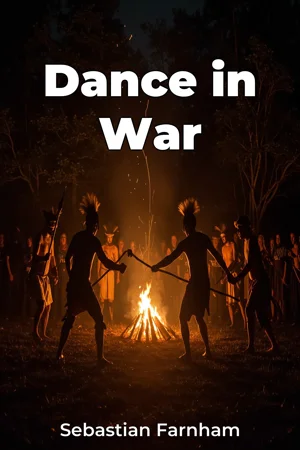
Can movement truly act as a weapon or a shield? "Dance in War" explores the multifaceted role of dance throughout military history, revealing its profound impact as a tool for morale, a form of protest, and a pathway to healing in times of conflict. This book examines how dance, often perceived as a purely aesthetic pursuit, has served as a critical component of the human experience during war, impacting both soldiers and civilians alike. This study delves into three primary areas: firstly, the use of dance to bolster morale and foster camaraderie within military ranks, investigating how structured movements and shared rhythmic experiences have fortified the spirits of fighting forces throughout history. Secondly, the book analyzes dance as a powerful medium for protest and resistance against war, examining instances where movement became a visual and visceral expression of dissent, challenging the established order. Finally, this work explores the therapeutic applications of dance in healing the psychological wounds of war, detailing how movement-based therapies have aided veterans and civilians in processing trauma and rebuilding their lives. Each of these applications are important because they highlight the significant influence of art and culture on the human condition, particularly under extreme circumstances. To understand these complex interactions, "Dance in War" draws upon a range of historical contexts, from ancient ritualistic war dances to contemporary dance therapy programs for veterans. It considers social dynamics, psychological resilience, and the impact of conflict on cultural expression. The book's central argument posits that dance operates not merely as a diversion but as a fundamental human response to war, providing avenues for emotional expression, social cohesion, and psychological recovery that are often overlooked in traditional military histories. The book unfolds in a structured narrative. It begins with an introduction to the theoretical frameworks underpinning the study of dance in conflict, then proceeds through major periods such as pre-modern warfare including ancient Greece, the two World Wars, and modern conflicts, examining specific examples of how dance was employed for morale, protest, or healing purposes. One section focuses on the use of dance in propaganda and recruitment, while another investigates the role of dance in displaced person camps and refugee communities. The conclusion synthesizes these observations, offering insights into the broader implications of understanding dance as an integral aspect of the wartime experience, while also considering its influence on peacekeeping and reconciliation efforts. The analysis relies on diverse sources, including firsthand accounts, historical records, military documents, and dance ethnographies. It also draws on interdisciplinary research from fields such as psychology, sociology, art history, and military studies to provide a comprehensive understanding of the subject. By connecting military history with performing arts, psychology, and sociology, "Dance in War" offers a novel perspective on the human experience of conflict, revealing the often-unseen connections between physical movement and emotional resilience. A unique perspective provided in this book, is the exploration of indigenous cultural practices surrounding dance and warfare. Written in an academic style, "Dance in War" seeks to engage scholars and students in military history, performing arts, and cultural studies. It will also appeal to military personnel, veterans, and anyone interested in the intersection of art and conflict. The scope of the book encompasses a broad historical and geographical range but focuses primarily on Western cultures and conflicts. While acknowledging the limitations of this focus, it aims to encourage further research into non-Western traditions of dance in war. The material presented has real-world applications. Therapists, counselors, and social workers may find insights into innovative approaches to treating trauma, while military leaders might gain a deeper understanding of the psychological impact of war on their personnel. Policymakers may also find value in understanding the role of cultural expression in post-conflict reconciliation. While the book draws on existing academic material involving history and dance, it is not specifically designed to engage with specific controversies or debates in either field, but provide a comprehensive overview of their intersection.
Can movement truly act as a weapon or a shield? "Dance in War" explores the multifaceted role of dance throughout military history, revealing its profound impact as a tool for morale, a form of protest, and a pathway to healing in times of conflict. This book examines how dance, often perceived as a purely aesthetic pursuit, has served as a critical component of the human experience during war, impacting both soldiers and civilians alike. This study delves into three primary areas: firstly, the use of dance to bolster morale and foster camaraderie within military ranks, investigating how structured movements and shared rhythmic experiences have fortified the spirits of fighting forces throughout history. Secondly, the book analyzes dance as a powerful medium for protest and resistance against war, examining instances where movement became a visual and visceral expression of dissent, challenging the established order. Finally, this work explores the therapeutic applications of dance in healing the psychological wounds of war, detailing how movement-based therapies have aided veterans and civilians in processing trauma and rebuilding their lives. Each of these applications are important because they highlight the significant influence of art and culture on the human condition, particularly under extreme circumstances. To understand these complex interactions, "Dance in War" draws upon a range of historical contexts, from ancient ritualistic war dances to contemporary dance therapy programs for veterans. It considers social dynamics, psychological resilience, and the impact of conflict on cultural expression. The book's central argument posits that dance operates not merely as a diversion but as a fundamental human response to war, providing avenues for emotional expression, social cohesion, and psychological recovery that are often overlooked in traditional military histories. The book unfolds in a structured narrative. It begins with an introduction to the theoretical frameworks underpinning the study of dance in conflict, then proceeds through major periods such as pre-modern warfare including ancient Greece, the two World Wars, and modern conflicts, examining specific examples of how dance was employed for morale, protest, or healing purposes. One section focuses on the use of dance in propaganda and recruitment, while another investigates the role of dance in displaced person camps and refugee communities. The conclusion synthesizes these observations, offering insights into the broader implications of understanding dance as an integral aspect of the wartime experience, while also considering its influence on peacekeeping and reconciliation efforts. The analysis relies on diverse sources, including firsthand accounts, historical records, military documents, and dance ethnographies. It also draws on interdisciplinary research from fields such as psychology, sociology, art history, and military studies to provide a comprehensive understanding of the subject. By connecting military history with performing arts, psychology, and sociology, "Dance in War" offers a novel perspective on the human experience of conflict, revealing the often-unseen connections between physical movement and emotional resilience. A unique perspective provided in this book, is the exploration of indigenous cultural practices surrounding dance and warfare. Written in an academic style, "Dance in War" seeks to engage scholars and students in military history, performing arts, and cultural studies. It will also appeal to military personnel, veterans, and anyone interested in the intersection of art and conflict. The scope of the book encompasses a broad historical and geographical range but focuses primarily on Western cultures and conflicts. While acknowledging the limitations of this focus, it aims to encourage further research into non-Western traditions of dance in war. The material presented has real-world applications. Therapists, counselors, and social workers may find insights into innovative approaches to treating trauma, while military leaders might gain a deeper understanding of the psychological impact of war on their personnel. Policymakers may also find value in understanding the role of cultural expression in post-conflict reconciliation. While the book draws on existing academic material involving history and dance, it is not specifically designed to engage with specific controversies or debates in either field, but provide a comprehensive overview of their intersection.
"Dance in War" reveals the surprising yet vital role of dance throughout military history, showcasing its impact far beyond mere entertainment. This work explores how movement has been used to build morale, express protest, and facilitate healing in times of conflict. Intriguingly, dance has served as a powerful tool for psychological resilience, helping soldiers and civilians cope with trauma, and as a potent symbol of unity or defiance. The book examines dance's presence in diverse historical contexts, from ancient war rituals to modern dance therapy for veterans. It progresses through pre-modern warfare, the World Wars, and contemporary conflicts, illustrating how dance has been employed to boost morale within military ranks, voice dissent against war, and provide therapeutic relief. By connecting military history with performing arts, "Dance in War" offers a unique perspective on the human experience, highlighting the often-overlooked connections between physical movement and emotional well-being, and offering insights into cultural expression found in indigenous cultural practices.
Book Details
ISBN
9788235215390
Publisher
Publifye AS
Your Licenses
You don't own any licenses for this book
Purchase a license below to unlock this book and download the EPUB.
Purchase License
Select a tier to unlock this book
Need bulk licensing?
Contact us for enterprise agreements.