
About This Book
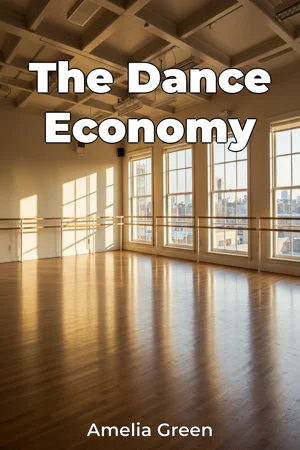
Have you ever considered the economics behind a pirouette or the business strategies underpinning a successful dance studio? "The Dance Economy" delves into the often-overlooked world of professional dance, choreography, and studio management, providing a comprehensive look at how individuals and organizations build sustainable careers and businesses within this dynamic field. This book examines the multifaceted nature of the dance industry, focusing on three core themes: the financial realities of dance careers, the entrepreneurial strategies necessary for success, and the evolution of dance studios as viable businesses. These topics are critical because understanding the economics of dance is vital for both aspiring and established professionals who seek to navigate its challenging landscape. The history of dance, while rich in artistic expression, often lacks a parallel narrative concerning financial sustainability. Historically, patronage played a significant role, but today, dancers, choreographers, and studio owners must function within a complex market driven by competition, changing cultural tastes, and technological advancements. This book seeks to address a significant gap in resources by providing concrete strategies and frameworks for economic success in the dance world. The central argument of "The Dance Economy" is that a deep understanding of business principles and entrepreneurial thinking is essential for survival and thriving in the professional dance world. Artistic talent alone is insufficient; dancers and choreographers must also be adept at marketing, financial management, and strategic planning to forge successful and sustainable careers. Dance studios must adopt modern business practices to remain competitive and relevant in a rapidly evolving marketplace. This book is structured to guide the reader through a progressive understanding of the dance economy. First, we will introduce fundamental economic concepts as they relate to the performing arts, specifically dance. Then, we delve into the realities of dance careers, exploring income streams, contract negotiation, and self-promotion strategies. Following this, we will examine the business models of successful dance studios, analyzing marketing techniques, financial planning, and operational management. Finally, we consider the larger ecosystem of dance, discussing funding opportunities, arts advocacy, and the impact of technology on the industry. Case studies of successful dancers, choreographers, and studio owners will be featured throughout. The evidence presented in "The Dance Economy" is drawn from a variety of sources, including interviews with dance professionals, financial data from dance organizations, market research reports, and academic studies. It also incorporates analysis of successful and unsuccessful business strategies observed in the field. The book connects to several other fields, including arts management, entrepreneurship, and economics. By integrating principles from these areas, "The Dance Economy" provides a holistic and interdisciplinary perspective on the business aspects of dance. Additionally, the book touches upon education, exploring how dance programs can better prepare students for the economic realities of a dance career. "The Dance Economy" offers a unique perspective by combining practical business advice with in-depth analysis of the dance industry. Rather than romanticizing the life of a dancer, this book provides a realistic and actionable roadmap for achieving financial stability and career longevity. The tone of the book is informative and accessible, blending academic rigor with practical guidance. The primary target audience includes professional dancers, choreographers, dance studio owners, arts administrators, and students pursuing dance-related careers. Furthermore, anyone interested in the business side of the performing arts will find this book valuable. This book caters to expectations within the business and entrepreneurship genres by providing clear strategies, actionable steps, and real-world examples. While "The Dance Economy" covers a broad range of topics related to career and business building in the dance industry, it focuses primarily on the United States context. The principles discussed, however, are applicable to other countries with some adjustments for local market conditions and cultural factors. The information provided in this book can be applied in numerous ways. Dancers can use the strategies to improve their financial literacy and negotiate better contracts. Choreographers can learn how to market their work and secure funding for projects. Studio owners can implement business best practices to increase profitability and expand their reach. The book addresses ongoing debates within the dance community, such as the compensation of dancers, the role of technology in dance education, and the sustainability of dance studios in the face of increasing competition from online platforms. "The Dance Economy" is a comprehensive guide for navigating the business aspects of the dance world, providing readers with the knowledge and tools needed to achieve sustainable success in this dynamic and competitive field.
Have you ever considered the economics behind a pirouette or the business strategies underpinning a successful dance studio? "The Dance Economy" delves into the often-overlooked world of professional dance, choreography, and studio management, providing a comprehensive look at how individuals and organizations build sustainable careers and businesses within this dynamic field. This book examines the multifaceted nature of the dance industry, focusing on three core themes: the financial realities of dance careers, the entrepreneurial strategies necessary for success, and the evolution of dance studios as viable businesses. These topics are critical because understanding the economics of dance is vital for both aspiring and established professionals who seek to navigate its challenging landscape. The history of dance, while rich in artistic expression, often lacks a parallel narrative concerning financial sustainability. Historically, patronage played a significant role, but today, dancers, choreographers, and studio owners must function within a complex market driven by competition, changing cultural tastes, and technological advancements. This book seeks to address a significant gap in resources by providing concrete strategies and frameworks for economic success in the dance world. The central argument of "The Dance Economy" is that a deep understanding of business principles and entrepreneurial thinking is essential for survival and thriving in the professional dance world. Artistic talent alone is insufficient; dancers and choreographers must also be adept at marketing, financial management, and strategic planning to forge successful and sustainable careers. Dance studios must adopt modern business practices to remain competitive and relevant in a rapidly evolving marketplace. This book is structured to guide the reader through a progressive understanding of the dance economy. First, we will introduce fundamental economic concepts as they relate to the performing arts, specifically dance. Then, we delve into the realities of dance careers, exploring income streams, contract negotiation, and self-promotion strategies. Following this, we will examine the business models of successful dance studios, analyzing marketing techniques, financial planning, and operational management. Finally, we consider the larger ecosystem of dance, discussing funding opportunities, arts advocacy, and the impact of technology on the industry. Case studies of successful dancers, choreographers, and studio owners will be featured throughout. The evidence presented in "The Dance Economy" is drawn from a variety of sources, including interviews with dance professionals, financial data from dance organizations, market research reports, and academic studies. It also incorporates analysis of successful and unsuccessful business strategies observed in the field. The book connects to several other fields, including arts management, entrepreneurship, and economics. By integrating principles from these areas, "The Dance Economy" provides a holistic and interdisciplinary perspective on the business aspects of dance. Additionally, the book touches upon education, exploring how dance programs can better prepare students for the economic realities of a dance career. "The Dance Economy" offers a unique perspective by combining practical business advice with in-depth analysis of the dance industry. Rather than romanticizing the life of a dancer, this book provides a realistic and actionable roadmap for achieving financial stability and career longevity. The tone of the book is informative and accessible, blending academic rigor with practical guidance. The primary target audience includes professional dancers, choreographers, dance studio owners, arts administrators, and students pursuing dance-related careers. Furthermore, anyone interested in the business side of the performing arts will find this book valuable. This book caters to expectations within the business and entrepreneurship genres by providing clear strategies, actionable steps, and real-world examples. While "The Dance Economy" covers a broad range of topics related to career and business building in the dance industry, it focuses primarily on the United States context. The principles discussed, however, are applicable to other countries with some adjustments for local market conditions and cultural factors. The information provided in this book can be applied in numerous ways. Dancers can use the strategies to improve their financial literacy and negotiate better contracts. Choreographers can learn how to market their work and secure funding for projects. Studio owners can implement business best practices to increase profitability and expand their reach. The book addresses ongoing debates within the dance community, such as the compensation of dancers, the role of technology in dance education, and the sustainability of dance studios in the face of increasing competition from online platforms. "The Dance Economy" is a comprehensive guide for navigating the business aspects of the dance world, providing readers with the knowledge and tools needed to achieve sustainable success in this dynamic and competitive field.
"The Dance Economy" offers a comprehensive exploration into the financial and entrepreneurial sides of professional dance, a world where artistic talent alone isn't enough. It highlights the necessity of business acumen for dancers, choreographers, and studio owners to achieve sustainable success. The book uniquely bridges the gap in resources by providing concrete strategies for navigating the dance industry’s complex market, driven by competition and evolving cultural tastes. It emphasizes that understanding business principles is crucial for both survival and thriving in this dynamic field. The book progresses from fundamental economic concepts relevant to dance to the practical realities of building dance careers, including income streams and self-promotion. It then examines successful dance studio business models, analyzing marketing and financial planning. Readers will discover how historical patronage has evolved into a market-driven landscape, and the importance of modern business practices. Case studies of successful dance professionals are featured throughout, offering real-world examples.
Book Details
ISBN
9788235215369
Publisher
Publifye AS
Your Licenses
You don't own any licenses for this book
Purchase a license below to unlock this book and download the EPUB.
Purchase License
Select a tier to unlock this book
Need bulk licensing?
Contact us for enterprise agreements.