
About This Book
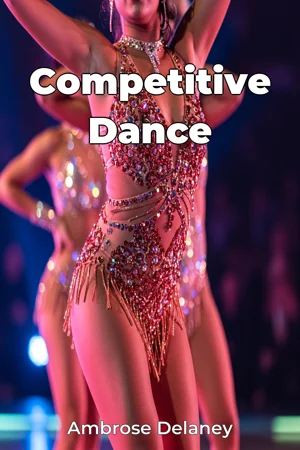
Have you ever wondered what it takes to rise to the top in the intensely competitive world of dance? "Competitive Dance" unveils the dedication, artistry, and athleticism required to succeed in this demanding performing art. This book explores the multifaceted nature of competitive dance, from the historical roots of various dance forms to the complex judging criteria used in modern competitions, and the psychological resilience needed to thrive under pressure. This exploration is significant because competitive dance showcases human potential on a global stage, but it's also a microcosm of larger themes regarding dedication, subjective evaluation, and the pursuit of perfection. Understanding these elements offers insights applicable far beyond the dance floor. The book begins by establishing a historical context tracing the evolution of dance from its ritualistic origins to its modern competitive forms. This includes the development of specific genres like ballet, jazz, contemporary, and hip-hop within the competitive sphere. It then delves into the social context, examining how cultural norms and societal expectations shape the performance and perception of dance. Readers will gain a foundational understanding of dance terminology, basic movement principles, and the history of significant dance styles before delving into the competitive aspects. The central argument is that success in competitive dance requires not only exceptional technical skill and artistic interpretation, but also a profound understanding of the competitive landscape, psychological fortitude, and the ability to adapt to evolving trends. This argument is critical, as it moves beyond the surface-level appreciation of dance, emphasizing the strategic and mental elements essential for achieving peak performance. The book is structured to systematically unpack the complexities of competitive dance. First, it introduces the main concepts: defining competitive dance genres, outlining the structure of competitions, and explaining the roles of dancers, choreographers, coaches, and judges. Second, it develops key ideas across three major sections. One section analyzes the technical requirements of different dance styles, providing detailed insights into judging criteria and performance standards. Another examines the psychological aspects of competition, including strategies for managing stress, building confidence, and fostering teamwork. A third section focuses on the business side of dance, exploring career paths, marketing strategies, and the economics of dance studios and competitions. Finally, the book culminates by presenting strategies for long-term success in competitive dance, emphasizing the importance of continuous learning, injury prevention, and building a sustainable career. Practical applications are highlighted, such as improving training regimens, developing effective choreography, and navigating the competitive landscape. The book draws upon a range of evidence including scholarly articles on dance pedagogy and performance psychology, interviews with renowned dancers and choreographers, analyses of competition results, and case studies of successful dance studios. Unique data sources include surveys of dancers regarding their training experiences and perceptions of the competitive environment. "Competitive Dance" connects to other fields such as sports psychology, business management, and art history. The connection to sports psychology highlights the mental and emotional demands of competitive performance. The link to business management reveals the entrepreneurial aspects of dance studios and competition organization. The connection to art history contextualizes dance as an evolving art form with deep cultural roots. These connections broaden the book's appeal and enrich its insights. The unique approach of this book lies in its comprehensive integration of technical, psychological, and business perspectives, providing a holistic view of competitive dance. It offers data-driven insights and practical strategies not commonly found in other literature on the subject. The writing style is informative and accessible, avoiding jargon while maintaining scholarly rigor. The book is targeted toward dancers, choreographers, coaches, dance studio owners, and dance enthusiasts of all levels. It will appeal to those seeking to improve their performance, understand the intricacies of the competitive dance world, or gain insights into the dedication and artistry required to succeed in this challenging field. As a work of non-fiction in the sports and performing arts genres, "Competitive Dance" aims to provide a factual and in-depth analysis of the subject matter. The scope of the book is broad, covering various dance styles and competitive formats, but it intentionally limits its focus to organized competitions, rather than social dance or dance as pure artistic expression. The information presented can be applied in various real-world settings, such as improving training programs, developing effective judging systems, and fostering a supportive and competitive environment within dance studios. The book also addresses ongoing debates in the field, such as the balance between technical proficiency and artistic expression, and the impact of commercialization on dance competitions.
Have you ever wondered what it takes to rise to the top in the intensely competitive world of dance? "Competitive Dance" unveils the dedication, artistry, and athleticism required to succeed in this demanding performing art. This book explores the multifaceted nature of competitive dance, from the historical roots of various dance forms to the complex judging criteria used in modern competitions, and the psychological resilience needed to thrive under pressure. This exploration is significant because competitive dance showcases human potential on a global stage, but it's also a microcosm of larger themes regarding dedication, subjective evaluation, and the pursuit of perfection. Understanding these elements offers insights applicable far beyond the dance floor. The book begins by establishing a historical context tracing the evolution of dance from its ritualistic origins to its modern competitive forms. This includes the development of specific genres like ballet, jazz, contemporary, and hip-hop within the competitive sphere. It then delves into the social context, examining how cultural norms and societal expectations shape the performance and perception of dance. Readers will gain a foundational understanding of dance terminology, basic movement principles, and the history of significant dance styles before delving into the competitive aspects. The central argument is that success in competitive dance requires not only exceptional technical skill and artistic interpretation, but also a profound understanding of the competitive landscape, psychological fortitude, and the ability to adapt to evolving trends. This argument is critical, as it moves beyond the surface-level appreciation of dance, emphasizing the strategic and mental elements essential for achieving peak performance. The book is structured to systematically unpack the complexities of competitive dance. First, it introduces the main concepts: defining competitive dance genres, outlining the structure of competitions, and explaining the roles of dancers, choreographers, coaches, and judges. Second, it develops key ideas across three major sections. One section analyzes the technical requirements of different dance styles, providing detailed insights into judging criteria and performance standards. Another examines the psychological aspects of competition, including strategies for managing stress, building confidence, and fostering teamwork. A third section focuses on the business side of dance, exploring career paths, marketing strategies, and the economics of dance studios and competitions. Finally, the book culminates by presenting strategies for long-term success in competitive dance, emphasizing the importance of continuous learning, injury prevention, and building a sustainable career. Practical applications are highlighted, such as improving training regimens, developing effective choreography, and navigating the competitive landscape. The book draws upon a range of evidence including scholarly articles on dance pedagogy and performance psychology, interviews with renowned dancers and choreographers, analyses of competition results, and case studies of successful dance studios. Unique data sources include surveys of dancers regarding their training experiences and perceptions of the competitive environment. "Competitive Dance" connects to other fields such as sports psychology, business management, and art history. The connection to sports psychology highlights the mental and emotional demands of competitive performance. The link to business management reveals the entrepreneurial aspects of dance studios and competition organization. The connection to art history contextualizes dance as an evolving art form with deep cultural roots. These connections broaden the book's appeal and enrich its insights. The unique approach of this book lies in its comprehensive integration of technical, psychological, and business perspectives, providing a holistic view of competitive dance. It offers data-driven insights and practical strategies not commonly found in other literature on the subject. The writing style is informative and accessible, avoiding jargon while maintaining scholarly rigor. The book is targeted toward dancers, choreographers, coaches, dance studio owners, and dance enthusiasts of all levels. It will appeal to those seeking to improve their performance, understand the intricacies of the competitive dance world, or gain insights into the dedication and artistry required to succeed in this challenging field. As a work of non-fiction in the sports and performing arts genres, "Competitive Dance" aims to provide a factual and in-depth analysis of the subject matter. The scope of the book is broad, covering various dance styles and competitive formats, but it intentionally limits its focus to organized competitions, rather than social dance or dance as pure artistic expression. The information presented can be applied in various real-world settings, such as improving training programs, developing effective judging systems, and fostering a supportive and competitive environment within dance studios. The book also addresses ongoing debates in the field, such as the balance between technical proficiency and artistic expression, and the impact of commercialization on dance competitions.
"Competitive Dance" explores the rigorous world of dance competitions, revealing the dedication and artistry required for success in this demanding performing art. It examines the evolution of dance from historical roots to modern competitive forms, covering genres like ballet and jazz. The book provides insights into judging criteria, performance standards, and the psychological resilience needed to thrive under pressure, such as managing stress and building confidence. Did you know that competitive dance showcases human potential on a global stage, requiring not only exceptional technical skill but also strategic thinking? The book progresses systematically, first introducing essential concepts and then delving into technical requirements, psychological aspects, and the business side of dance. It emphasizes effective choreography and navigating the competitive landscape. This comprehensive approach, integrating technical, psychological, and business perspectives, sets it apart from other literature. "Competitive Dance" offers data-driven strategies for improvement, addressing challenges in training, judging, and fostering a supportive environment.
Book Details
ISBN
9788235215338
Publisher
Publifye AS
Your Licenses
You don't own any licenses for this book
Purchase a license below to unlock this book and download the EPUB.
Purchase License
Select a tier to unlock this book
Need bulk licensing?
Contact us for enterprise agreements.