
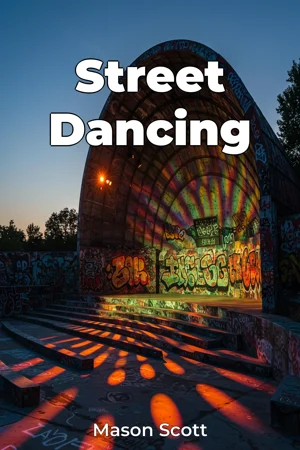
About This Book
Did you know that the spontaneous movements born on city streets have evolved into a global phenomenon influencing music, art, and even social movements? "Street Dancing" delves into the vibrant history and cultural impact of freestyle street dance, exploring its transformation from grassroots expression to an internationally recognized art form. This book examines three key areas: the origins and evolution of various street dance styles, including breaking, popping, locking, and house; the cultural significance of these dances within their respective communities; and the impact of street dance on mainstream media and global pop culture. These topics are significant because they reveal how marginalized communities have used dance as a powerful tool for self-expression, social commentary, and community building, ultimately shaping global trends. To understand the rise of street dance, the book provides historical context, tracing its roots back to the socio-economic conditions of urban America in the late 20th century. It examines how factors like poverty, racial discrimination, and limited access to traditional art forms fueled the development of these innovative dance styles. No prior knowledge of dance theory is required; the book provides clear explanations of dance techniques and terminology. The central argument of "Street Dancing" is that freestyle street dance is not merely a form of entertainment but a dynamic cultural force that reflects and shapes the social, political, and economic realities of its practitioners. This argument is important because it challenges conventional notions of dance as a purely aesthetic pursuit, highlighting its role as a form of cultural resistance and social commentary. The book is structured in three parts. Part one introduces the core concepts, defining freestyle street dance and outlining its key characteristics. Part two focuses on the development of these dances within specific communities, examining the unique styles and cultural influences that have shaped them. Finally, part three explores the global impact of street dance, analyzing its influence on music videos, film, advertising, and dance competitions. Each section builds on the previous one, culminating in a comprehensive understanding of the phenomenon. The book draws on a variety of sources, including interviews with pioneering dancers, historical archives, ethnographic studies, and media analysis. Original research, including analysis of dance videos and social media content, provides further support for the arguments presented. "Street Dancing" connects to other fields, such as sociology, urban studies, and media studies. The book also explores intersections with Music by showcasing music's influence on the dance as well as connections to performing arts by analyzing dance techniques, cultural context and performance theory. What sets this book apart is its focus on the voices and experiences of the dancers themselves. By prioritizing their perspectives, the book offers a nuanced and authentic account of the history and cultural significance of street dance. The book adopts a conversational and accessible writing style, making it engaging for a wide range of readers. While grounded in academic research, the language is kept clear and concise, avoiding unnecessary jargon. The target audience includes dance enthusiasts, students of cultural studies, and anyone interested in the history of popular culture. The book is valuable because it provides a comprehensive and insightful account of a dynamic and influential art form. As a work of non-fiction, "Street Dancing" adheres to the conventions of academic rigor while also striving to be engaging and accessible for a general audience. The scope of the book is limited to freestyle street dance styles that emerged in the late 20th century. While acknowledging the influence of earlier dance forms, the book focuses primarily on the evolution and cultural impact of breaking, popping, locking, and house. The information in "Street Dancing" can be applied practically by readers interested in learning more about dance history, understanding cultural movements, and exploring the connections between dance and social change. Dancers can gain insights into the origins and evolution of their craft, while educators can use the book as a resource for teaching about cultural expression and social justice. While street dance is widely celebrated today, the book also addresses ongoing debates about cultural appropriation and the commercialization of street dance styles. It examines the challenges faced by dancers in maintaining the authenticity and integrity of their art form in the face of mainstream popularity.
Did you know that the spontaneous movements born on city streets have evolved into a global phenomenon influencing music, art, and even social movements? "Street Dancing" delves into the vibrant history and cultural impact of freestyle street dance, exploring its transformation from grassroots expression to an internationally recognized art form. This book examines three key areas: the origins and evolution of various street dance styles, including breaking, popping, locking, and house; the cultural significance of these dances within their respective communities; and the impact of street dance on mainstream media and global pop culture. These topics are significant because they reveal how marginalized communities have used dance as a powerful tool for self-expression, social commentary, and community building, ultimately shaping global trends. To understand the rise of street dance, the book provides historical context, tracing its roots back to the socio-economic conditions of urban America in the late 20th century. It examines how factors like poverty, racial discrimination, and limited access to traditional art forms fueled the development of these innovative dance styles. No prior knowledge of dance theory is required; the book provides clear explanations of dance techniques and terminology. The central argument of "Street Dancing" is that freestyle street dance is not merely a form of entertainment but a dynamic cultural force that reflects and shapes the social, political, and economic realities of its practitioners. This argument is important because it challenges conventional notions of dance as a purely aesthetic pursuit, highlighting its role as a form of cultural resistance and social commentary. The book is structured in three parts. Part one introduces the core concepts, defining freestyle street dance and outlining its key characteristics. Part two focuses on the development of these dances within specific communities, examining the unique styles and cultural influences that have shaped them. Finally, part three explores the global impact of street dance, analyzing its influence on music videos, film, advertising, and dance competitions. Each section builds on the previous one, culminating in a comprehensive understanding of the phenomenon. The book draws on a variety of sources, including interviews with pioneering dancers, historical archives, ethnographic studies, and media analysis. Original research, including analysis of dance videos and social media content, provides further support for the arguments presented. "Street Dancing" connects to other fields, such as sociology, urban studies, and media studies. The book also explores intersections with Music by showcasing music's influence on the dance as well as connections to performing arts by analyzing dance techniques, cultural context and performance theory. What sets this book apart is its focus on the voices and experiences of the dancers themselves. By prioritizing their perspectives, the book offers a nuanced and authentic account of the history and cultural significance of street dance. The book adopts a conversational and accessible writing style, making it engaging for a wide range of readers. While grounded in academic research, the language is kept clear and concise, avoiding unnecessary jargon. The target audience includes dance enthusiasts, students of cultural studies, and anyone interested in the history of popular culture. The book is valuable because it provides a comprehensive and insightful account of a dynamic and influential art form. As a work of non-fiction, "Street Dancing" adheres to the conventions of academic rigor while also striving to be engaging and accessible for a general audience. The scope of the book is limited to freestyle street dance styles that emerged in the late 20th century. While acknowledging the influence of earlier dance forms, the book focuses primarily on the evolution and cultural impact of breaking, popping, locking, and house. The information in "Street Dancing" can be applied practically by readers interested in learning more about dance history, understanding cultural movements, and exploring the connections between dance and social change. Dancers can gain insights into the origins and evolution of their craft, while educators can use the book as a resource for teaching about cultural expression and social justice. While street dance is widely celebrated today, the book also addresses ongoing debates about cultural appropriation and the commercialization of street dance styles. It examines the challenges faced by dancers in maintaining the authenticity and integrity of their art form in the face of mainstream popularity.
"Street Dancing" explores the captivating journey of freestyle street dance, from its humble beginnings in urban communities to its global recognition as a significant art form. Delving into dance history, the book highlights how economic and social conditions fostered innovative styles like breaking, popping, and locking. It also examines the cultural impact of these dances, revealing how they became powerful tools for self-expression and social commentary. The book emphasizes that street dance is more than just entertainment; it's a dynamic cultural force shaping and reflecting the social, political, and economic realities of its practitioners. By prioritizing the voices of the dancers themselves, the book offers an authentic account of this art form. Structured in three parts, the book progresses from defining core concepts to exploring the global influence of street dance on music videos, film, and dance competitions.
Book Details
ISBN
9788235215260
Publisher
Publifye AS
Your Licenses
You don't own any licenses for this book
Purchase a license below to unlock this book and download the EPUB.
Purchase License
Select a tier to unlock this book
Need bulk licensing?
Contact us for enterprise agreements.