
About This Book
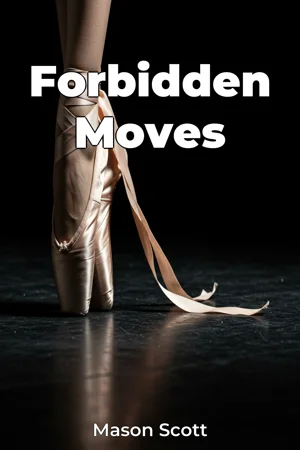
Have you ever wondered what separates a technically difficult dance move from one considered too dangerous, or even banned? "Forbidden Moves" delves into the captivating, often controversial, world of dance, exploring techniques and practices deemed extreme, hazardous, or culturally inappropriate across various styles and eras. This book isn't about sensationalism; it's about understanding the boundaries of physical expression, the evolution of dance forms, and the complex interplay of safety, artistry, and cultural sensitivity. We will examine two primary concepts. First, the book investigates the physiology of extreme dance movements, analyzing the biomechanics of contortion, extreme flexibility, and high-impact maneuvers. This includes assessing the risks of injury, the long-term effects on dancers' bodies, and the ethical considerations surrounding pushing physical limits. Second, "Forbidden Moves" explores the cultural and social contexts that define which movements are considered taboo or inappropriate. This involves examining the historical roots of dance censorship, the impact of cultural appropriation, and the evolving standards of decency and artistic expression. These topics are crucial because they shed light on the hidden costs and unspoken rules within the dance world, prompting reflection on the responsibilities of dancers, choreographers, and audiences. The book argues that the line between innovation and exploitation in dance is often blurred, requiring a nuanced understanding of both physical and cultural factors. It will trace the historical evolution of dance from ancient rituals to contemporary performance art, including how societal norms, religious beliefs, and political ideologies have shaped what is considered acceptable or unacceptable movement. The book is structured in three major sections. First, the foundation is set by defining "forbidden moves" and introducing key concepts related to biomechanics, cultural sensitivity, and ethical considerations. Second, we move into exploring specific dance styles, such as ballet, contemporary, and various cultural dances, analyzing examples of movements that have been either banned, heavily restricted, or debated for their potential harm or cultural insensitivity. This section will include specific case studies of particular moves, such as hyper-extended backbends, or movements derived from specific cultural dances performed out of context. Finally, the book culminates by synthesizing these observations, offering guidelines for responsible dance practice, choreography, and performance. This includes practical advice for injury prevention, ethical collaboration, and culturally informed artistic expression. The analysis will rely on a wide range of sources, including published scientific research on dance injuries, historical documents related to dance censorship, and firsthand accounts from dancers, choreographers, and medical professionals. This multifaceted approach aims to provide a balanced and comprehensive understanding of the subject matter. "Forbidden Moves" intersects with several other fields, including sports medicine, cultural studies, and ethics. Sports medicine provides a scientific lens for understanding the physical risks of extreme dance movements. Cultural studies offers a framework for analyzing the social and political forces that shape perceptions of appropriateness and offense. Ethics compels us to question the moral implications of pushing boundaries at the expense of dancers' well-being or cultural heritage. This book offers a distinctive perspective by combining scientific rigor with cultural awareness. It avoids simplistic judgments, instead encouraging readers to engage in critical thinking about the complex issues at stake. The writing style is accessible yet informative, catering to a broad audience while maintaining scholarly integrity. The target audience includes dancers of all levels, choreographers, dance instructors, physical therapists, and anyone interested in the performing arts. The book avoids subjective opinions and delivers fact-based and research-based findings related to the topic and the risks associated with the content. The book is valuable to readers by offering a unique perspective on a niche topic within performing arts. As a work of non-fiction, "Forbidden Moves" adheres to the genre's conventions by providing clear, accurate, and well-supported information. The book aims to provide a comprehensive overview and does not focus on any one particular movement or genre to an excessive extent. The information in this book can be applied practically by dancers and choreographers to make informed decisions about their training and creative choices. It can also serve as a valuable resource for educators and therapists who work with dancers. Controversies inevitably arise in discussions of cultural appropriation and artistic boundaries. This book acknowledges these debates, presenting diverse perspectives and encouraging readers to form their own informed opinions.
Have you ever wondered what separates a technically difficult dance move from one considered too dangerous, or even banned? "Forbidden Moves" delves into the captivating, often controversial, world of dance, exploring techniques and practices deemed extreme, hazardous, or culturally inappropriate across various styles and eras. This book isn't about sensationalism; it's about understanding the boundaries of physical expression, the evolution of dance forms, and the complex interplay of safety, artistry, and cultural sensitivity. We will examine two primary concepts. First, the book investigates the physiology of extreme dance movements, analyzing the biomechanics of contortion, extreme flexibility, and high-impact maneuvers. This includes assessing the risks of injury, the long-term effects on dancers' bodies, and the ethical considerations surrounding pushing physical limits. Second, "Forbidden Moves" explores the cultural and social contexts that define which movements are considered taboo or inappropriate. This involves examining the historical roots of dance censorship, the impact of cultural appropriation, and the evolving standards of decency and artistic expression. These topics are crucial because they shed light on the hidden costs and unspoken rules within the dance world, prompting reflection on the responsibilities of dancers, choreographers, and audiences. The book argues that the line between innovation and exploitation in dance is often blurred, requiring a nuanced understanding of both physical and cultural factors. It will trace the historical evolution of dance from ancient rituals to contemporary performance art, including how societal norms, religious beliefs, and political ideologies have shaped what is considered acceptable or unacceptable movement. The book is structured in three major sections. First, the foundation is set by defining "forbidden moves" and introducing key concepts related to biomechanics, cultural sensitivity, and ethical considerations. Second, we move into exploring specific dance styles, such as ballet, contemporary, and various cultural dances, analyzing examples of movements that have been either banned, heavily restricted, or debated for their potential harm or cultural insensitivity. This section will include specific case studies of particular moves, such as hyper-extended backbends, or movements derived from specific cultural dances performed out of context. Finally, the book culminates by synthesizing these observations, offering guidelines for responsible dance practice, choreography, and performance. This includes practical advice for injury prevention, ethical collaboration, and culturally informed artistic expression. The analysis will rely on a wide range of sources, including published scientific research on dance injuries, historical documents related to dance censorship, and firsthand accounts from dancers, choreographers, and medical professionals. This multifaceted approach aims to provide a balanced and comprehensive understanding of the subject matter. "Forbidden Moves" intersects with several other fields, including sports medicine, cultural studies, and ethics. Sports medicine provides a scientific lens for understanding the physical risks of extreme dance movements. Cultural studies offers a framework for analyzing the social and political forces that shape perceptions of appropriateness and offense. Ethics compels us to question the moral implications of pushing boundaries at the expense of dancers' well-being or cultural heritage. This book offers a distinctive perspective by combining scientific rigor with cultural awareness. It avoids simplistic judgments, instead encouraging readers to engage in critical thinking about the complex issues at stake. The writing style is accessible yet informative, catering to a broad audience while maintaining scholarly integrity. The target audience includes dancers of all levels, choreographers, dance instructors, physical therapists, and anyone interested in the performing arts. The book avoids subjective opinions and delivers fact-based and research-based findings related to the topic and the risks associated with the content. The book is valuable to readers by offering a unique perspective on a niche topic within performing arts. As a work of non-fiction, "Forbidden Moves" adheres to the genre's conventions by providing clear, accurate, and well-supported information. The book aims to provide a comprehensive overview and does not focus on any one particular movement or genre to an excessive extent. The information in this book can be applied practically by dancers and choreographers to make informed decisions about their training and creative choices. It can also serve as a valuable resource for educators and therapists who work with dancers. Controversies inevitably arise in discussions of cultural appropriation and artistic boundaries. This book acknowledges these debates, presenting diverse perspectives and encouraging readers to form their own informed opinions.
"Forbidden Moves" explores the intriguing and often controversial world of dance, examining techniques considered extreme, dangerous, or culturally inappropriate. The book delves into the biomechanics of dance, revealing how pushing physical limits can lead to injuries, while also investigating the cultural and social contexts that define acceptable movement. Did you know that some dance movements have been historically censored due to religious or political ideologies? This book uniquely combines scientific rigor with cultural awareness, encouraging critical thinking about the responsibilities of dancers, choreographers, and audiences. The book's approach is multifaceted, drawing on scientific research, historical documents, and firsthand accounts. It begins by establishing a foundation with definitions and key concepts, then explores specific dance styles and case studies, such as hyper-extended backbends. The book analyzes examples of movements that have been either banned, heavily restricted, or debated for their potential harm or cultural insensitivity. Finally, it synthesizes these observations to offer guidelines for responsible dance practice, choreography, and performance, providing practical advice for injury prevention, ethical collaboration, and culturally informed artistic expression.
Book Details
ISBN
9788235215222
Publisher
Publifye AS
Your Licenses
You don't own any licenses for this book
Purchase a license below to unlock this book and download the EPUB.
Purchase License
Select a tier to unlock this book
Need bulk licensing?
Contact us for enterprise agreements.