
About This Book
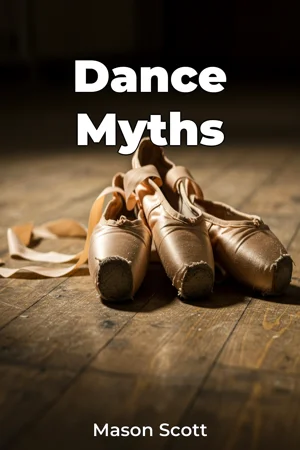
Have you ever been told you don't have "the dance gene," or heard that crossing your fingers ensures a perfect performance? These are just a few of the widespread misconceptions that permeate the world of dance. This book, *Dance Myths*, seeks to debunk these pervasive falsehoods, offering a fact-based examination of talent, training, superstitions, and other commonly held beliefs about dance. By exploring the realities behind these myths, this book aims to empower dancers, educators, and enthusiasts with a deeper, more informed understanding of this art form. We will explore key topics such as the nature of talent in dance, the efficacy of different training methods, and the psychological impact of superstitions. These topics are important because they directly influence how dancers approach their training, performance, and overall artistic development. By addressing these misconceptions, we can foster a more inclusive, evidence-based, and ultimately more fulfilling dance experience for everyone. This book will draw upon historical analyses of dance pedagogy, social studies of dance communities, and scientific research in motor learning and psychology to contextualize these myths. Some basic familiarity with dance terminology and different dance genres will be helpful, but not essential, for readers. The central argument is that many beliefs about dance are based on outdated, unscientific, or culturally biased ideas that can hinder progress and limit potential. By challenging these myths with evidence-based insights, this book advocates for a more rational and effective approach to dance education and practice. It's not about dismissing the magic of dance but rather ensuring that dancers are equipped with accurate information to navigate their careers and passion. The book is structured to first introduce common dance myths and their origins. It then delves into specific areas: the myth of innate talent versus the role of deliberate practice; the varied effectiveness of different training styles and their impact on injury rates; and the cultural and psychological underpinnings of dance-related superstitions. The argument culminates in practical recommendations for educators and dancers on how to foster a more realistic and productive learning environment. The evidence presented will include statistical data on training outcomes, case studies of successful dancers from diverse backgrounds, and analyses of historical dance literature. We will examine research on motor skill acquisition, biomechanics, and sports psychology. This book connects to other fields such as sports science, psychology, and cultural studies. The connection to sports science helps to understand the physical demands of dance and how to optimize training techniques safely. Psychology offers insights into motivation, performance anxiety, and the impact of beliefs on behavior. Cultural studies provides context for understanding how dance traditions and societal norms shape perceptions of talent and success. The unique approach lies in its systematic debunking of commonly held beliefs using interdisciplinary evidence. While many books celebrate dance, this one critically examines its underpinnings, offering a fresh perspective that combines artistic appreciation with scientific rigor. The tone is informed and engaging, aiming to be accessible to both academic and general audiences. While grounded in research, the writing style avoids jargon and prioritizes clarity. The target audience includes dance students, teachers, choreographers, dance scientists, and anyone interested in a deeper understanding of the art form. It would be valuable to them by providing practical tools for improving training methods, fostering a healthier mindset, and promoting evidence-based practices. As a non-fiction work, this book adheres to the genre's expectations of accuracy, objectivity, and clear sourcing. It presents well-researched arguments supported by credible evidence. The scope is broad, covering a range of myths across different dance genres, but it is intentionally limited to focusing on debunking these myths rather than providing a comprehensive history of dance. The information in the book can be practically applied to improve dance pedagogy, enhance performance, and foster a more realistic and empowering mindset among dancers. Educators can use the insights to create more effective and inclusive training programs. This book addresses the ongoing debate about the relative importance of innate talent versus hard work in dance. It seeks to offer a balanced perspective that acknowledges the role of genetics while emphasizing the power of deliberate practice and effective training.
Have you ever been told you don't have "the dance gene," or heard that crossing your fingers ensures a perfect performance? These are just a few of the widespread misconceptions that permeate the world of dance. This book, *Dance Myths*, seeks to debunk these pervasive falsehoods, offering a fact-based examination of talent, training, superstitions, and other commonly held beliefs about dance. By exploring the realities behind these myths, this book aims to empower dancers, educators, and enthusiasts with a deeper, more informed understanding of this art form. We will explore key topics such as the nature of talent in dance, the efficacy of different training methods, and the psychological impact of superstitions. These topics are important because they directly influence how dancers approach their training, performance, and overall artistic development. By addressing these misconceptions, we can foster a more inclusive, evidence-based, and ultimately more fulfilling dance experience for everyone. This book will draw upon historical analyses of dance pedagogy, social studies of dance communities, and scientific research in motor learning and psychology to contextualize these myths. Some basic familiarity with dance terminology and different dance genres will be helpful, but not essential, for readers. The central argument is that many beliefs about dance are based on outdated, unscientific, or culturally biased ideas that can hinder progress and limit potential. By challenging these myths with evidence-based insights, this book advocates for a more rational and effective approach to dance education and practice. It's not about dismissing the magic of dance but rather ensuring that dancers are equipped with accurate information to navigate their careers and passion. The book is structured to first introduce common dance myths and their origins. It then delves into specific areas: the myth of innate talent versus the role of deliberate practice; the varied effectiveness of different training styles and their impact on injury rates; and the cultural and psychological underpinnings of dance-related superstitions. The argument culminates in practical recommendations for educators and dancers on how to foster a more realistic and productive learning environment. The evidence presented will include statistical data on training outcomes, case studies of successful dancers from diverse backgrounds, and analyses of historical dance literature. We will examine research on motor skill acquisition, biomechanics, and sports psychology. This book connects to other fields such as sports science, psychology, and cultural studies. The connection to sports science helps to understand the physical demands of dance and how to optimize training techniques safely. Psychology offers insights into motivation, performance anxiety, and the impact of beliefs on behavior. Cultural studies provides context for understanding how dance traditions and societal norms shape perceptions of talent and success. The unique approach lies in its systematic debunking of commonly held beliefs using interdisciplinary evidence. While many books celebrate dance, this one critically examines its underpinnings, offering a fresh perspective that combines artistic appreciation with scientific rigor. The tone is informed and engaging, aiming to be accessible to both academic and general audiences. While grounded in research, the writing style avoids jargon and prioritizes clarity. The target audience includes dance students, teachers, choreographers, dance scientists, and anyone interested in a deeper understanding of the art form. It would be valuable to them by providing practical tools for improving training methods, fostering a healthier mindset, and promoting evidence-based practices. As a non-fiction work, this book adheres to the genre's expectations of accuracy, objectivity, and clear sourcing. It presents well-researched arguments supported by credible evidence. The scope is broad, covering a range of myths across different dance genres, but it is intentionally limited to focusing on debunking these myths rather than providing a comprehensive history of dance. The information in the book can be practically applied to improve dance pedagogy, enhance performance, and foster a more realistic and empowering mindset among dancers. Educators can use the insights to create more effective and inclusive training programs. This book addresses the ongoing debate about the relative importance of innate talent versus hard work in dance. It seeks to offer a balanced perspective that acknowledges the role of genetics while emphasizing the power of deliberate practice and effective training.
"Dance Myths" tackles widespread misconceptions in the performing arts, offering a fact-based look at talent, training, and superstitions. It challenges beliefs like the idea of a "dance gene," revealing how deliberate practice often trumps innate ability. The book aims to equip dancers, educators, and enthusiasts with a deeper understanding, moving beyond outdated ideas to foster a more inclusive and effective dance experience. The book explores the origins of these myths, delving into areas such as training styles' impact on injury rates and the psychology behind dance superstitions. Drawing from historical analyses, social studies, and scientific research, it argues that many beliefs hinder progress. Ultimately, "Dance Myths" provides practical recommendations for creating a more realistic and productive learning environment in dance.
Book Details
ISBN
9788235215192
Publisher
Publifye AS
Your Licenses
You don't own any licenses for this book
Purchase a license below to unlock this book and download the EPUB.
Purchase License
Select a tier to unlock this book
Need bulk licensing?
Contact us for enterprise agreements.