
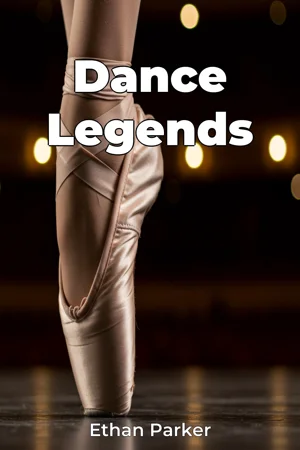
About This Book
Have you ever wondered how a single dancer could revolutionize an entire art form? "Dance Legends" explores the lives and legacies of the most influential figures in the history of dance, revealing how their innovative techniques, groundbreaking performances, and unwavering dedication reshaped the world of performance and left an enduring mark on culture. This book delves into three core areas: the evolution of dance techniques, the social and political contexts that shaped dance movements, and the personal stories of dancers who defied convention. Understanding how dance techniques have evolved, from classical ballet to modern and postmodern forms, provides insight into the artistic innovation driving the field. Examining the social and political landscapes that influenced dance allows us to appreciate how dance served as a form of expression, protest, and social commentary. The personal narratives of these dance legends humanize their accomplishments and demonstrate the challenges they overcame. To fully appreciate these figures, it is essential to understand basic dance terminology and the historical periods in which they lived and worked. Familiarity with major dance styles—ballet, modern, jazz, and contemporary—will enhance the reader's understanding of the innovations discussed. "Dance Legends" argues that the evolution of dance is not merely a series of isolated artistic achievements but a reflection of broader cultural shifts and individual determination. Each dancer featured embodies the power of artistic vision to challenge norms and redefine what is possible. The book begins by introducing fundamental concepts of dance history and theory and sets the stage for understanding the contributions of key figures. Major sections explore the contributions of innovators such as Isadora Duncan, whose rejection of classical ballet paved the way for modern dance; Martha Graham, whose codified technique became a cornerstone of American modern dance; and Alvin Ailey, whose choreography celebrated African American heritage. The book culminates by considering the lasting impact of these legends on contemporary dance and broader artistic expression, including practical implications for aspiring dancers, choreographers, and dance enthusiasts. The book draws upon a wealth of primary and secondary sources, including archival footage of performances, personal letters and diaries, and critical analyses of their work. We analyze choreographic structures and performance reviews. "Dance Legends" connects to other fields such as sociology, exploring how dance reflects and influences social norms; history, examining the political and cultural contexts of dance movements; and music, analyzing the interplay between music and choreography. These interdisciplinary connections deepen our understanding of dance as a multifaceted art form. This book offers a fresh perspective by combining detailed biographical accounts with rigorous analysis of dance techniques and social contexts. It emphasizes the agency and creative vision of the dancers themselves, moving beyond a purely historical account to reveal the human stories behind the art. Written in a clear and engaging style, "Dance Legends" aims to be accessible to a broad audience. It is intended for dance students, enthusiasts, historians, and anyone interested in the performing arts. The accessible language and vivid storytelling make the book both informative and enjoyable. As a work of biography and performing arts history, "Dance Legends" adheres to the conventions of thorough research, accurate representation, and balanced analysis. While the book seeks to provide a comprehensive overview, it acknowledges the vastness of dance history and thus focuses on a selection of figures who represent key turning points and diverse perspectives. The insights from "Dance Legends" can be applied in various real-world contexts. Dance students can gain inspiration and guidance from the techniques and philosophies of these legends. Choreographers can draw upon their innovations to create new and compelling works. Dance enthusiasts can enhance their appreciation and understanding of dance performances. While celebrating the accomplishments of these dance legends, the book also addresses ongoing discussions about issues of cultural appropriation, representation, and the evolving role of dance in society.
Have you ever wondered how a single dancer could revolutionize an entire art form? "Dance Legends" explores the lives and legacies of the most influential figures in the history of dance, revealing how their innovative techniques, groundbreaking performances, and unwavering dedication reshaped the world of performance and left an enduring mark on culture. This book delves into three core areas: the evolution of dance techniques, the social and political contexts that shaped dance movements, and the personal stories of dancers who defied convention. Understanding how dance techniques have evolved, from classical ballet to modern and postmodern forms, provides insight into the artistic innovation driving the field. Examining the social and political landscapes that influenced dance allows us to appreciate how dance served as a form of expression, protest, and social commentary. The personal narratives of these dance legends humanize their accomplishments and demonstrate the challenges they overcame. To fully appreciate these figures, it is essential to understand basic dance terminology and the historical periods in which they lived and worked. Familiarity with major dance styles—ballet, modern, jazz, and contemporary—will enhance the reader's understanding of the innovations discussed. "Dance Legends" argues that the evolution of dance is not merely a series of isolated artistic achievements but a reflection of broader cultural shifts and individual determination. Each dancer featured embodies the power of artistic vision to challenge norms and redefine what is possible. The book begins by introducing fundamental concepts of dance history and theory and sets the stage for understanding the contributions of key figures. Major sections explore the contributions of innovators such as Isadora Duncan, whose rejection of classical ballet paved the way for modern dance; Martha Graham, whose codified technique became a cornerstone of American modern dance; and Alvin Ailey, whose choreography celebrated African American heritage. The book culminates by considering the lasting impact of these legends on contemporary dance and broader artistic expression, including practical implications for aspiring dancers, choreographers, and dance enthusiasts. The book draws upon a wealth of primary and secondary sources, including archival footage of performances, personal letters and diaries, and critical analyses of their work. We analyze choreographic structures and performance reviews. "Dance Legends" connects to other fields such as sociology, exploring how dance reflects and influences social norms; history, examining the political and cultural contexts of dance movements; and music, analyzing the interplay between music and choreography. These interdisciplinary connections deepen our understanding of dance as a multifaceted art form. This book offers a fresh perspective by combining detailed biographical accounts with rigorous analysis of dance techniques and social contexts. It emphasizes the agency and creative vision of the dancers themselves, moving beyond a purely historical account to reveal the human stories behind the art. Written in a clear and engaging style, "Dance Legends" aims to be accessible to a broad audience. It is intended for dance students, enthusiasts, historians, and anyone interested in the performing arts. The accessible language and vivid storytelling make the book both informative and enjoyable. As a work of biography and performing arts history, "Dance Legends" adheres to the conventions of thorough research, accurate representation, and balanced analysis. While the book seeks to provide a comprehensive overview, it acknowledges the vastness of dance history and thus focuses on a selection of figures who represent key turning points and diverse perspectives. The insights from "Dance Legends" can be applied in various real-world contexts. Dance students can gain inspiration and guidance from the techniques and philosophies of these legends. Choreographers can draw upon their innovations to create new and compelling works. Dance enthusiasts can enhance their appreciation and understanding of dance performances. While celebrating the accomplishments of these dance legends, the book also addresses ongoing discussions about issues of cultural appropriation, representation, and the evolving role of dance in society.
"Dance Legends" explores the lives and enduring impact of pivotal figures in dance history, revealing how they revolutionized the performing arts. The book delves into the evolution of dance techniques, highlighting innovators like Isadora Duncan, who broke from classical ballet to pioneer modern dance, and Martha Graham, whose codified technique became a cornerstone of American modern dance. Understanding the social and political landscapes that influenced these dance movements is crucial, as dance often served as a powerful form of expression, protest, and social commentary. The book examines fundamental concepts of dance history and theory, progressing from classical ballet to modern and postmodern forms. Alvin Ailey's choreography, which celebrated African American heritage, is also explored. By combining detailed biographical accounts with rigorous analysis of dance techniques and social contexts, "Dance Legends" emphasizes the agency and creative vision of these innovators, offering a fresh perspective on their lasting influence on contemporary dance and broader artistic expression.
Book Details
ISBN
9788235215109
Publisher
Publifye AS
Your Licenses
You don't own any licenses for this book
Purchase a license below to unlock this book and download the EPUB.
Purchase License
Select a tier to unlock this book
Need bulk licensing?
Contact us for enterprise agreements.