
About This Book
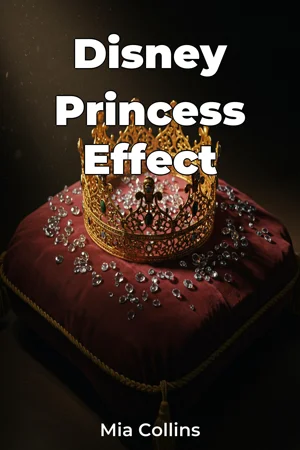
How have animated fairy tales shaped our understanding of femininity, ambition, and consumer culture? "Disney Princess Effect" delves into the pervasive influence of the Disney Princess franchise on societal norms, gender roles, and the global merchandising landscape. This book examines not only the entertainment value of these films but also their profound impact on children and adults alike. We explore how these animated characters became powerful cultural icons, shaping perceptions of beauty, success, and interpersonal relationships. The core focus lies in three key areas: the evolution of princess archetypes, the impact of Disney's marketing strategies, and the resulting cultural consequences. Understanding these aspects is crucial because the Disney Princesses represent some of the most globally recognized and influential role models for young children, particularly girls. Their stories subtly and overtly communicate expectations regarding gender, aspiration, and self-worth. To fully grasp the "Disney Princess Effect," this book offers historical context, tracing the origins of fairy tales and the evolution of animation as a medium. It examines how Walt Disney Studios adapted and transformed classic narratives to reflect changing societal values, while simultaneously reinforcing certain established norms. Familiarity with basic concepts of media studies, gender studies, and marketing will enhance the reader's understanding, but these topics will also be thoroughly explained as they arise. The central argument is that the Disney Princess franchise, while providing entertainment and escapism, has significantly contributed to the construction of gender stereotypes and consumerist desires, with lasting consequences for individuals and society. This argument is vital because it encourages a critical examination of media consumption and its subtle yet powerful influence on identity formation. The book unfolds in three major sections. First, it introduces the history of Disney Princesses from Snow White to the modern era, analyzing their character development and narrative arcs. Second, it delves into Disney's marketing machine, exploring how the company strategically built its global brand through merchandising, licensing, and cross-promotion. Third, it examines the cultural impact of the franchise, analyzing its influence on children's socialization, gender expectations, and body image, and showcasing real-world examples and impacts. The final section discusses the implications of the Disney Princess Effect in a rapidly changing world, offering perspectives on how to promote media literacy and encourage positive role models. This analysis relies on a diverse range of evidence, including film analysis, marketing data, consumer studies, and sociological research. The book incorporates data from surveys, interviews, and ethnographic studies to provide a comprehensive understanding of the phenomenon. "Disney Princess Effect" draws connections between film and television studies, gender studies, and marketing, recognizing that the phenomenon extends beyond simple entertainment. It touches upon psychology and child development, illustrating how media influences young minds. Finally, it looks at economics, considering the financial impact of the franchise and its role in global consumerism. This book offers a fresh perspective by interrogating the seemingly innocent world of Disney Princesses through a critical lens, revealing the complex interplay between entertainment, commerce, and cultural values. The writing style is academic yet accessible, making it suitable for both scholars and general readers interested in media and culture. The target audience includes students and scholars in media studies, gender studies, sociology, and marketing, as well as parents, educators, and anyone interested in understanding the impact of popular culture on society. This book will be valuable to them because it provides critical insights into how the Disney Princess franchise has shaped our world. As a non-fiction work in the fields of Film & Television and Social Science, "Disney Princess Effect" adheres to standards of rigorous research, objective analysis, and evidence-based argumentation. It acknowledges the inherent limitations of focusing primarily on the Disney Princess franchise, recognizing other influential media and cultural factors. The information presented can be applied to various real-world contexts, such as media literacy education, parenting strategies, and marketing ethics. It encourages readers to become more conscious consumers of media and to critically evaluate the messages they receive. The book acknowledges ongoing debates about the portrayal of women in media and the influence of corporate branding on culture, offering nuanced perspectives on these complex issues. It contributes to a more informed and critical understanding of the cultural forces that shape our lives.
How have animated fairy tales shaped our understanding of femininity, ambition, and consumer culture? "Disney Princess Effect" delves into the pervasive influence of the Disney Princess franchise on societal norms, gender roles, and the global merchandising landscape. This book examines not only the entertainment value of these films but also their profound impact on children and adults alike. We explore how these animated characters became powerful cultural icons, shaping perceptions of beauty, success, and interpersonal relationships. The core focus lies in three key areas: the evolution of princess archetypes, the impact of Disney's marketing strategies, and the resulting cultural consequences. Understanding these aspects is crucial because the Disney Princesses represent some of the most globally recognized and influential role models for young children, particularly girls. Their stories subtly and overtly communicate expectations regarding gender, aspiration, and self-worth. To fully grasp the "Disney Princess Effect," this book offers historical context, tracing the origins of fairy tales and the evolution of animation as a medium. It examines how Walt Disney Studios adapted and transformed classic narratives to reflect changing societal values, while simultaneously reinforcing certain established norms. Familiarity with basic concepts of media studies, gender studies, and marketing will enhance the reader's understanding, but these topics will also be thoroughly explained as they arise. The central argument is that the Disney Princess franchise, while providing entertainment and escapism, has significantly contributed to the construction of gender stereotypes and consumerist desires, with lasting consequences for individuals and society. This argument is vital because it encourages a critical examination of media consumption and its subtle yet powerful influence on identity formation. The book unfolds in three major sections. First, it introduces the history of Disney Princesses from Snow White to the modern era, analyzing their character development and narrative arcs. Second, it delves into Disney's marketing machine, exploring how the company strategically built its global brand through merchandising, licensing, and cross-promotion. Third, it examines the cultural impact of the franchise, analyzing its influence on children's socialization, gender expectations, and body image, and showcasing real-world examples and impacts. The final section discusses the implications of the Disney Princess Effect in a rapidly changing world, offering perspectives on how to promote media literacy and encourage positive role models. This analysis relies on a diverse range of evidence, including film analysis, marketing data, consumer studies, and sociological research. The book incorporates data from surveys, interviews, and ethnographic studies to provide a comprehensive understanding of the phenomenon. "Disney Princess Effect" draws connections between film and television studies, gender studies, and marketing, recognizing that the phenomenon extends beyond simple entertainment. It touches upon psychology and child development, illustrating how media influences young minds. Finally, it looks at economics, considering the financial impact of the franchise and its role in global consumerism. This book offers a fresh perspective by interrogating the seemingly innocent world of Disney Princesses through a critical lens, revealing the complex interplay between entertainment, commerce, and cultural values. The writing style is academic yet accessible, making it suitable for both scholars and general readers interested in media and culture. The target audience includes students and scholars in media studies, gender studies, sociology, and marketing, as well as parents, educators, and anyone interested in understanding the impact of popular culture on society. This book will be valuable to them because it provides critical insights into how the Disney Princess franchise has shaped our world. As a non-fiction work in the fields of Film & Television and Social Science, "Disney Princess Effect" adheres to standards of rigorous research, objective analysis, and evidence-based argumentation. It acknowledges the inherent limitations of focusing primarily on the Disney Princess franchise, recognizing other influential media and cultural factors. The information presented can be applied to various real-world contexts, such as media literacy education, parenting strategies, and marketing ethics. It encourages readers to become more conscious consumers of media and to critically evaluate the messages they receive. The book acknowledges ongoing debates about the portrayal of women in media and the influence of corporate branding on culture, offering nuanced perspectives on these complex issues. It contributes to a more informed and critical understanding of the cultural forces that shape our lives.
"Disney Princess Effect" explores the widespread influence of Disney Princesses on society, examining how these animated characters have shaped our understanding of femininity, consumer culture, and gender roles. The book delves into the evolution of princess archetypes, Disney's impactful marketing strategies, and the resulting cultural consequences, revealing how these films communicate subtle yet powerful messages about gender, aspiration, and self-worth. Readers may be intrigued to learn how Disney adapted classic narratives to reflect societal values, while also reinforcing established norms, and how the franchise has significantly contributed to both gender stereotypes and consumerism. The book offers historical context, tracing the origins of fairy tales and the evolution of animation. It then progresses to examining Disney's marketing machine and the cultural impact of the franchise, analyzing its influence on children's socialization, body image, and gender expectations. By blending film analysis, marketing data, and sociological research, "Disney Princess Effect" offers a critical lens through which to view the seemingly innocent world of Disney, making it valuable for anyone interested in media literacy and the impact of popular culture.
Book Details
ISBN
9788235215024
Publisher
Publifye AS
Your Licenses
You don't own any licenses for this book
Purchase a license below to unlock this book and download the EPUB.
Purchase License
Select a tier to unlock this book
Need bulk licensing?
Contact us for enterprise agreements.