
About This Book
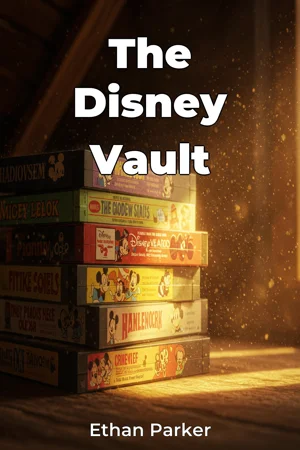
Have you ever wondered why some of Disney's most beloved animated classics seem to vanish and reappear from store shelves? "The Disney Vault" unravels the story behind this strategic practice, exploring its profound impact on the film industry, business management, and consumer behavior. This book delves into the intricacies of the Vault, examining its origins, evolution, and legacy as a powerful tool for controlling supply, demand, and perceived value. At its core, this book argues that the Disney Vault is more than just a distribution strategy; it represents a fundamental shift in how entertainment companies manage intellectual property and cultivate brand loyalty. We will explore how the Vault transformed the home video market, turning readily available products into highly sought-after commodities and creating a sense of urgency and exclusivity around Disney’s films. This innovative approach not only maximized profits but also cemented Disney's status as a cultural icon, deeply embedded in the collective nostalgia of generations. The historical context is crucial. We trace the roots of the Vault back to the late 1980s and early 1990s, a period of rapid growth in the home video market. Disney, recognizing the potential for long-term profitability, strategically limited the availability of its animated classics, creating a cycle of anticipation and demand. Understanding this historical backdrop is essential for grasping the Vault's long-term impact on the entertainment industry. The book unfolds in several stages. First, we introduce the concept of planned obsolescence in the context of entertainment, explaining how it differs from traditional product lifecycles. Then it moves on to examine the specific strategies Disney employed, including the selection criteria for films entering the Vault, the marketing campaigns used to promote their "limited-time availability," and the impact of these strategies on consumer perceptions of value. A dedicated section analyzes the financial implications of the Vault, demonstrating how it contributed to Disney's consistent financial success. It also delves into the consumer psychology at play, examining how scarcity and nostalgia drive purchasing decisions. Real-world examples, financial data, studio memos, and marketing material will back the arguments presented. This book connects to several disciplines including marketing (analyzing strategies for creating perceived value), economics (exploring supply and demand dynamics), and media studies (examining the cultural impact of Disney's films). These interdisciplinary connections highlight the broad significance of the Disney Vault as a case study in business innovation and cultural influence. The book offers a unique perspective by analyzing the Vault through the lens of business strategy, consumer psychology, and media history. It stands out by combining academic rigor with accessible storytelling, making it engaging for both business professionals and Disney enthusiasts. The writing style blends academic research with narrative storytelling, aiming to be informative yet accessible. It is targeted towards business students, marketing professionals, film historians, and anyone interested in Disney's business strategies and their cultural impact. The book focuses specifically on the Disney Vault and its impact on the release and perception of Disney animated films. It does not delve into other aspects of Disney's broader business operations beyond what’s relevant to the topic. The strategies examined can be applied to understanding scarcity marketing, managing intellectual property, and building brand loyalty in various industries. While the Disney Vault has been praised for its financial success, it has also faced criticism for its perceived manipulation of consumers. The book will fairly address these contrasting viewpoints.
Have you ever wondered why some of Disney's most beloved animated classics seem to vanish and reappear from store shelves? "The Disney Vault" unravels the story behind this strategic practice, exploring its profound impact on the film industry, business management, and consumer behavior. This book delves into the intricacies of the Vault, examining its origins, evolution, and legacy as a powerful tool for controlling supply, demand, and perceived value. At its core, this book argues that the Disney Vault is more than just a distribution strategy; it represents a fundamental shift in how entertainment companies manage intellectual property and cultivate brand loyalty. We will explore how the Vault transformed the home video market, turning readily available products into highly sought-after commodities and creating a sense of urgency and exclusivity around Disney’s films. This innovative approach not only maximized profits but also cemented Disney's status as a cultural icon, deeply embedded in the collective nostalgia of generations. The historical context is crucial. We trace the roots of the Vault back to the late 1980s and early 1990s, a period of rapid growth in the home video market. Disney, recognizing the potential for long-term profitability, strategically limited the availability of its animated classics, creating a cycle of anticipation and demand. Understanding this historical backdrop is essential for grasping the Vault's long-term impact on the entertainment industry. The book unfolds in several stages. First, we introduce the concept of planned obsolescence in the context of entertainment, explaining how it differs from traditional product lifecycles. Then it moves on to examine the specific strategies Disney employed, including the selection criteria for films entering the Vault, the marketing campaigns used to promote their "limited-time availability," and the impact of these strategies on consumer perceptions of value. A dedicated section analyzes the financial implications of the Vault, demonstrating how it contributed to Disney's consistent financial success. It also delves into the consumer psychology at play, examining how scarcity and nostalgia drive purchasing decisions. Real-world examples, financial data, studio memos, and marketing material will back the arguments presented. This book connects to several disciplines including marketing (analyzing strategies for creating perceived value), economics (exploring supply and demand dynamics), and media studies (examining the cultural impact of Disney's films). These interdisciplinary connections highlight the broad significance of the Disney Vault as a case study in business innovation and cultural influence. The book offers a unique perspective by analyzing the Vault through the lens of business strategy, consumer psychology, and media history. It stands out by combining academic rigor with accessible storytelling, making it engaging for both business professionals and Disney enthusiasts. The writing style blends academic research with narrative storytelling, aiming to be informative yet accessible. It is targeted towards business students, marketing professionals, film historians, and anyone interested in Disney's business strategies and their cultural impact. The book focuses specifically on the Disney Vault and its impact on the release and perception of Disney animated films. It does not delve into other aspects of Disney's broader business operations beyond what’s relevant to the topic. The strategies examined can be applied to understanding scarcity marketing, managing intellectual property, and building brand loyalty in various industries. While the Disney Vault has been praised for its financial success, it has also faced criticism for its perceived manipulation of consumers. The book will fairly address these contrasting viewpoints.
"The Disney Vault" explores Disney's strategic practice of periodically withdrawing its animated classics from the market, and then re-releasing them later. This approach, known as the Disney Vault strategy, significantly impacted the film industry, business management, and consumer behavior. One intriguing fact is that this scarcity marketing tactic transformed readily available home videos into highly sought-after commodities. The book reveals how the Vault became a cornerstone of Disney's brand, cultivating strong consumer loyalty. The book examines the Vault's origins in the late 1980s, detailing Disney's effective use of planned obsolescence to maximize profits and cement its cultural icon status. It progresses by analyzing Disney's specific strategies, the financial impacts, and the consumer psychology that drives purchasing decisions around limited-time availability. By combining academic rigor with accessible storytelling, it provides a unique perspective on managing intellectual property, building brand loyalty and the power of nostalgia in marketing.
Book Details
ISBN
9788235214843
Publisher
Publifye AS
Your Licenses
You don't own any licenses for this book
Purchase a license below to unlock this book and download the EPUB.
Purchase License
Select a tier to unlock this book
Need bulk licensing?
Contact us for enterprise agreements.