
About This Book
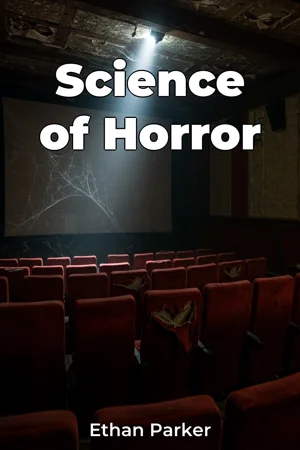
Why do we willingly subject ourselves to experiences designed to frighten us? "Science of Horror" delves into this paradox, exploring the multifaceted relationship between fear, filmmaking, and the human psyche. This book aims to provide a comprehensive understanding of the mechanisms that make horror films so compelling, examining both the artistic techniques employed by filmmakers and the deep-seated psychological responses they elicit in viewers. The central argument of "Science of Horror" is that the genre's enduring popularity stems from its ability to tap into primal fears and anxieties, offering a safe and controlled environment in which to confront them. This exploration is crucial because it sheds light on not only our fascination with the macabre but also on the fundamental aspects of human emotion and cognition. To provide context, the book draws upon a multidisciplinary approach, integrating film theory, psychology, and even evolutionary biology. Readers will gain insight into the historical development of horror as a genre, the social anxieties that often fuel its narratives, and the neurological processes that underpin the experience of fear. Some basic knowledge of film terminology and psychological concepts will be helpful, although everything is explained clearly. The book progresses systematically, beginning with an introduction to the core concepts of fear and terror and how they are represented in the film medium. It then explores the specific techniques filmmakers utilize to create suspense, build atmosphere, and deliver shocking moments. Chapters will be dedicated to analyzing the use of sound design, visual effects, narrative structure, and character archetypes in iconic horror films. A significant portion of the book is dedicated to the psychology of fear, examining topics such as the role of the amygdala, the impact of trauma, and the psychological appeal of the uncanny. The book culminates in an analysis of the social and cultural implications of horror, considering its role in reflecting and shaping our collective fears. The arguments presented are supported by a range of evidence, including case studies of specific films, experimental data from psychological studies, and critical analyses of horror literature. It connects to fields such as media studies, sociology, and neuroscience. This interdisciplinary approach enhances the reader's understanding of horror as a complex social and psychological phenomenon. A unique aspect of "Science of Horror" lies in its integration of empirical research with critical film analysis. Rather than relying solely on subjective interpretations, the book grounds its arguments in scientific data, providing a more objective and nuanced understanding of the genre's effects. The tone is academic yet accessible, aiming to engage both scholars and casual fans of horror films. The target audience for "Science of Horror" includes students of film, psychology, and media studies, as well as anyone with a general interest in understanding why we are drawn to frightening experiences. The information presented can be applied practically to film criticism, media literacy, and even therapeutic approaches to managing fear and anxiety. While the book aims to provide a comprehensive overview of the science of horror, it is important to acknowledge certain limitations. The focus is primarily on Western horror films, with less attention given to international perspectives. Furthermore, the field of horror is constantly evolving, and new films and trends are emerging all the time. The book addresses ongoing debates in the field, such as the question of whether horror films can desensitize viewers to violence or, conversely, provide a cathartic outlet for repressed emotions. This is presented in an even-handed way, not taking any specific position. Ultimately, "Science of Horror" offers a valuable framework for understanding the complex interplay of fear, filmmaking, and the human psyche.
Why do we willingly subject ourselves to experiences designed to frighten us? "Science of Horror" delves into this paradox, exploring the multifaceted relationship between fear, filmmaking, and the human psyche. This book aims to provide a comprehensive understanding of the mechanisms that make horror films so compelling, examining both the artistic techniques employed by filmmakers and the deep-seated psychological responses they elicit in viewers. The central argument of "Science of Horror" is that the genre's enduring popularity stems from its ability to tap into primal fears and anxieties, offering a safe and controlled environment in which to confront them. This exploration is crucial because it sheds light on not only our fascination with the macabre but also on the fundamental aspects of human emotion and cognition. To provide context, the book draws upon a multidisciplinary approach, integrating film theory, psychology, and even evolutionary biology. Readers will gain insight into the historical development of horror as a genre, the social anxieties that often fuel its narratives, and the neurological processes that underpin the experience of fear. Some basic knowledge of film terminology and psychological concepts will be helpful, although everything is explained clearly. The book progresses systematically, beginning with an introduction to the core concepts of fear and terror and how they are represented in the film medium. It then explores the specific techniques filmmakers utilize to create suspense, build atmosphere, and deliver shocking moments. Chapters will be dedicated to analyzing the use of sound design, visual effects, narrative structure, and character archetypes in iconic horror films. A significant portion of the book is dedicated to the psychology of fear, examining topics such as the role of the amygdala, the impact of trauma, and the psychological appeal of the uncanny. The book culminates in an analysis of the social and cultural implications of horror, considering its role in reflecting and shaping our collective fears. The arguments presented are supported by a range of evidence, including case studies of specific films, experimental data from psychological studies, and critical analyses of horror literature. It connects to fields such as media studies, sociology, and neuroscience. This interdisciplinary approach enhances the reader's understanding of horror as a complex social and psychological phenomenon. A unique aspect of "Science of Horror" lies in its integration of empirical research with critical film analysis. Rather than relying solely on subjective interpretations, the book grounds its arguments in scientific data, providing a more objective and nuanced understanding of the genre's effects. The tone is academic yet accessible, aiming to engage both scholars and casual fans of horror films. The target audience for "Science of Horror" includes students of film, psychology, and media studies, as well as anyone with a general interest in understanding why we are drawn to frightening experiences. The information presented can be applied practically to film criticism, media literacy, and even therapeutic approaches to managing fear and anxiety. While the book aims to provide a comprehensive overview of the science of horror, it is important to acknowledge certain limitations. The focus is primarily on Western horror films, with less attention given to international perspectives. Furthermore, the field of horror is constantly evolving, and new films and trends are emerging all the time. The book addresses ongoing debates in the field, such as the question of whether horror films can desensitize viewers to violence or, conversely, provide a cathartic outlet for repressed emotions. This is presented in an even-handed way, not taking any specific position. Ultimately, "Science of Horror" offers a valuable framework for understanding the complex interplay of fear, filmmaking, and the human psyche.
"Science of Horror" explores why we seek out frightening experiences, delving into the intersection of fear, filmmaking, and the human psyche. The book analyzes how horror films tap into primal fears and anxieties, offering a controlled environment to confront them. Filmmakers use cinematic techniques to create suspense and shock, while sound design and visual effects enhance the experience. Did you know that our brains react similarly to real and perceived threats, triggering the release of stress hormones? Or that jump scares rely on activating our startle reflexes, bypassing rational thought? The book progresses from introducing core concepts of fear to exploring filmmakers' techniques for building suspense and delivering shocks. It dedicates significant attention to the psychology of fear, examining the amygdala's role, the impact of trauma, and the appeal of the uncanny. It integrates film theory, psychology, and evolutionary biology, using case studies and experimental data to support its arguments. This unique approach of combining empirical research with film analysis provides a nuanced understanding of horror's effects. The book culminates in an analysis of the social and cultural implications of horror, considering its role in shaping our collective fears and addressing ongoing debates in the field. By understanding the mechanics of fear and suspense, readers gain insight into both the genre's enduring appeal and the fundamental aspects of human emotion and cognition. This makes the book valuable for students, scholars, and anyone curious about the psychology of fear in film.
Book Details
ISBN
9788235214768
Publisher
Publifye AS
Your Licenses
You don't own any licenses for this book
Purchase a license below to unlock this book and download the EPUB.
Purchase License
Select a tier to unlock this book
Need bulk licensing?
Contact us for enterprise agreements.