
About This Book
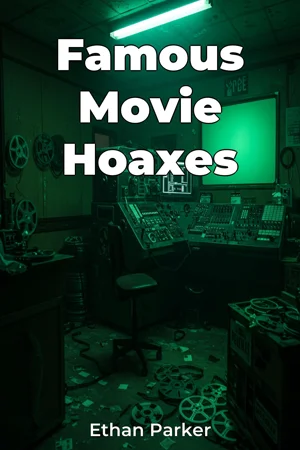
Have you ever questioned the authenticity of what you see on screen? "Famous Movie Hoaxes" delves into the captivating and often deceptive world of cinematic trickery, shining a light on the elaborate schemes that have fooled audiences, seasoned critics, and even major Hollywood studios. This book examines the anatomy of film industry hoaxes, their impact, and the reasons they continue to resonate. This exploration focuses on three core areas: fabrication, presentation, and reception. Fabrication examines the construction of the hoax itself, detailing how false narratives are created using scriptwriting, editing, and special effects. Examining presentation involves how these fabricated stories are sold to the public through marketing, press releases, and planted news stories. Finally, reception explores how audiences and critics initially react to the hoaxes, and how these reactions shift over time as the truth emerges. These three pillars provide a comprehensive understanding of how cinematic hoaxes are conceived, executed, and ultimately, perceived. A historical understanding of media manipulation is vital. The book will explore the evolution of filmmaking technology alongside the rise of sensationalism in media, providing a backdrop for understanding the motivations and methods behind these hoaxes. The reader does not require any prior knowledge in filmmaking, as all technical aspects will be explained in a clear and accessible manner. The central argument is that cinematic hoaxes are not merely isolated incidents of deception, but rather, reflections of our culture's complex relationship with truth, entertainment, and belief. These hoaxes expose our willingness to believe what we see, and it underscores the power of cinema to shape perceptions and manipulate emotions. The book begins by introducing the concept of a cinematic hoax and its various forms. It then moves into specific case studies organized around key themes, such as "mockumentaries" that blurred the line between fiction and reality, fabricated behind-the-scenes drama that gripped the public, and outright fraudulent films marketed as authentic historical documents. A chapter is dedicated to the evolution of special effects and editing techniques and how they contribute to creating believable illusions. The final chapter analyzes the lasting impact of these hoaxes on film history and considers the ethical implications for filmmakers and viewers alike. The investigation relies on a range of sources, including archival footage, interviews with filmmakers and critics, behind-the-scenes documentaries, and analysis of media coverage at the time of the hoax. Specific attention is paid to analyzing the visual language used to create the illusion, as well as the marketing strategies employed to promote the fabricated narrative. This book connects to other fields, such as media studies, sociology, and psychology. Media studies provides a framework for understanding the role of cinema in shaping public opinion. Sociology helps to analyze the social and cultural factors that contribute to the success or failure of a hoax. Psychology offers insights into why people are susceptible to deception and the psychological impact of discovering that they have been fooled. "Famous Movie Hoaxes" adopts a narrative non-fiction approach, blending historical analysis with storytelling. The goal is to present the information in an engaging and accessible manner, making it appealing to both film enthusiasts and general readers interested in the power of media manipulation. The target audience includes film buffs, media scholars, students of journalism, and anyone intrigued by the darker side of the entertainment industry. It would be valuable to individuals seeking to understand how media constructs narratives and influences audience perception, as well as those interested in the historical evolution of cinematic deception. Given its "History, Film & Television" genre, the book incorporates historical context, film analysis, and behind-the-scenes stories. The scope is limited to well-documented cases of film industry hoaxes. It does not attempt to cover every instance of minor trickery but focuses on those that had a significant impact on audiences. Exploring these hoaxes highlights the importance of critical thinking and media literacy in today's world. By understanding how these deceptions were constructed, readers can become more discerning viewers and less susceptible to manipulation. The uncovering of these hoaxes often leads to debates about artistic license and the ethical responsibilities of filmmakers. The book examines these debates, presenting different perspectives on the use of deception in cinema.
Have you ever questioned the authenticity of what you see on screen? "Famous Movie Hoaxes" delves into the captivating and often deceptive world of cinematic trickery, shining a light on the elaborate schemes that have fooled audiences, seasoned critics, and even major Hollywood studios. This book examines the anatomy of film industry hoaxes, their impact, and the reasons they continue to resonate. This exploration focuses on three core areas: fabrication, presentation, and reception. Fabrication examines the construction of the hoax itself, detailing how false narratives are created using scriptwriting, editing, and special effects. Examining presentation involves how these fabricated stories are sold to the public through marketing, press releases, and planted news stories. Finally, reception explores how audiences and critics initially react to the hoaxes, and how these reactions shift over time as the truth emerges. These three pillars provide a comprehensive understanding of how cinematic hoaxes are conceived, executed, and ultimately, perceived. A historical understanding of media manipulation is vital. The book will explore the evolution of filmmaking technology alongside the rise of sensationalism in media, providing a backdrop for understanding the motivations and methods behind these hoaxes. The reader does not require any prior knowledge in filmmaking, as all technical aspects will be explained in a clear and accessible manner. The central argument is that cinematic hoaxes are not merely isolated incidents of deception, but rather, reflections of our culture's complex relationship with truth, entertainment, and belief. These hoaxes expose our willingness to believe what we see, and it underscores the power of cinema to shape perceptions and manipulate emotions. The book begins by introducing the concept of a cinematic hoax and its various forms. It then moves into specific case studies organized around key themes, such as "mockumentaries" that blurred the line between fiction and reality, fabricated behind-the-scenes drama that gripped the public, and outright fraudulent films marketed as authentic historical documents. A chapter is dedicated to the evolution of special effects and editing techniques and how they contribute to creating believable illusions. The final chapter analyzes the lasting impact of these hoaxes on film history and considers the ethical implications for filmmakers and viewers alike. The investigation relies on a range of sources, including archival footage, interviews with filmmakers and critics, behind-the-scenes documentaries, and analysis of media coverage at the time of the hoax. Specific attention is paid to analyzing the visual language used to create the illusion, as well as the marketing strategies employed to promote the fabricated narrative. This book connects to other fields, such as media studies, sociology, and psychology. Media studies provides a framework for understanding the role of cinema in shaping public opinion. Sociology helps to analyze the social and cultural factors that contribute to the success or failure of a hoax. Psychology offers insights into why people are susceptible to deception and the psychological impact of discovering that they have been fooled. "Famous Movie Hoaxes" adopts a narrative non-fiction approach, blending historical analysis with storytelling. The goal is to present the information in an engaging and accessible manner, making it appealing to both film enthusiasts and general readers interested in the power of media manipulation. The target audience includes film buffs, media scholars, students of journalism, and anyone intrigued by the darker side of the entertainment industry. It would be valuable to individuals seeking to understand how media constructs narratives and influences audience perception, as well as those interested in the historical evolution of cinematic deception. Given its "History, Film & Television" genre, the book incorporates historical context, film analysis, and behind-the-scenes stories. The scope is limited to well-documented cases of film industry hoaxes. It does not attempt to cover every instance of minor trickery but focuses on those that had a significant impact on audiences. Exploring these hoaxes highlights the importance of critical thinking and media literacy in today's world. By understanding how these deceptions were constructed, readers can become more discerning viewers and less susceptible to manipulation. The uncovering of these hoaxes often leads to debates about artistic license and the ethical responsibilities of filmmakers. The book examines these debates, presenting different perspectives on the use of deception in cinema.
"Famous Movie Hoaxes" explores the intriguing world of cinematic deception, revealing how filmmakers have, throughout history, successfully fooled audiences, critics, and even entire studios. It examines the construction of these elaborate schemes, focusing on how false narratives are built through scriptwriting, special effects, and clever marketing. The book highlights how these media manipulations reflect our culture's complex relationship with truth, entertainment, and our innate willingness to believe what we see on screen. The book adopts a narrative non-fiction approach, blending historical analysis with compelling storytelling. It begins by introducing the concept of a cinematic hoax and its various forms, progressing through case studies organized around themes like mockumentaries and fabricated behind-the-scenes drama. For example, the evolution of special effects played a huge role in fabricating authentic looking footage. Each chapter delves into the fabrication, presentation, and reception of these hoaxes, providing a comprehensive understanding of how they are conceived, executed, and ultimately, perceived. By analyzing archival footage, interviews, and media coverage, the book uncovers the lasting impact of these hoaxes on film history. Ultimately, "Famous Movie Hoaxes" encourages critical thinking and media literacy, helping readers become more discerning viewers and understand the ethical responsibilities of filmmakers.
Book Details
ISBN
9788235214751
Publisher
Publifye AS
Your Licenses
You don't own any licenses for this book
Purchase a license below to unlock this book and download the EPUB.
Purchase License
Select a tier to unlock this book
Need bulk licensing?
Contact us for enterprise agreements.