
About This Book
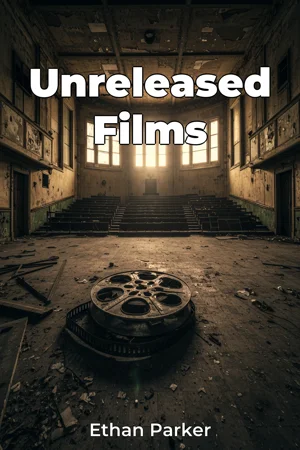
What happens to a film when it’s never seen? "Unreleased Films" delves into the fascinating and often frustrating world of movies completed but never officially released to the public, exploring their historical context, the reasons behind their suppression or abandonment, and their lasting impact on film history and popular culture. The book examines how unreleased films challenge our understanding of the filmmaking process and the power dynamics within the film industry itself. This exploration centers around two key topics: the specific histories of individual unreleased films and the broader economic and cultural factors contributing to their fate. Each unreleased film carries its own unique story of creative ambition, financial missteps, or censorship battles. Analyzing these stories reveals patterns of risk, control, and the complex interplay between artistic vision and commercial viability. Understanding why these films remain unseen provides valuable insights into the changing landscape of film production, distribution, and reception. The book provides essential context by examining the historical and social forces that have shaped the film industry. Factors such as studio interference, changing audience tastes, and the rise and fall of different genres all play a role in determining whether a film sees the light of day. Cases involving political sensitivity, controversial content, or simply poor test screenings are considered within the framework of evolving cultural norms and industry practices. The central argument of "Unreleased Films" is that these unseen movies offer a unique lens through which to understand the film industry’s inner workings and its relationship with society. They represent not just failures or lost opportunities, but also suppressed voices, unrealized potential, and alternative pathways for cinematic expression. By bringing these films out of the shadows, the book challenges the traditional narrative of film history and fosters a more nuanced appreciation of the art form. The book begins by introducing the concept of unreleased films and establishing a working definition of what constitutes “unreleased.” It then moves into detailed case studies of several prominent examples from different eras and genres, meticulously reconstructing their production histories and exploring the reasons for their non-release. Specific chapters focus on films caught in legal battles, those deemed too controversial for distribution, and projects abandoned due to financial difficulties or creative differences. The book culminates by examining the enduring legacy of unreleased films and their potential for rediscovery and reevaluation in the digital age. It discusses the impact that unreleased cinema has on our understanding of film and television history and production. The book draws upon a range of sources, including archival materials, studio records, interviews with filmmakers and industry professionals, and critical analyses of film history. It uses primary source materials wherever possible, offering a rigorously researched and fact-based account of each film's trajectory. "Unreleased Films" connects to several interdisciplinary areas, including media studies, cultural history, and economics. By examining the social and economic forces that shape film production and reception, the book contributes to broader discussions about the role of media in society and the challenges facing artists in a commercial environment. The book also draws from legal studies to understand the impact of censorship and copyright issues. The book adopts a narrative non-fiction style, striving to be both informative and engaging. It aims to present complex information in an accessible way, interweaving historical analysis with compelling storytelling. The target audience includes film enthusiasts, students of film studies, and anyone interested in the behind-the-scenes workings of the entertainment industry. The book will appeal to readers seeking a deeper understanding of film history and the creative process. This book intentionally limits its scope to feature-length films produced for theatrical release, excluding documentaries, short films, and television pilots unless they were initially intended for cinema distribution. The stories within "Unreleased Films" serve as cautionary tales for aspiring filmmakers and valuable case studies for industry professionals, offering a clearer understanding of the risks and rewards involved in bringing a film to the screen. "Unreleased Films" acknowledges the ongoing debates surrounding issues such as artistic freedom, censorship, and the balance between artistic expression and commercial interests within the film industry. It presents multiple perspectives on these issues, encouraging readers to form their own informed opinions.
What happens to a film when it’s never seen? "Unreleased Films" delves into the fascinating and often frustrating world of movies completed but never officially released to the public, exploring their historical context, the reasons behind their suppression or abandonment, and their lasting impact on film history and popular culture. The book examines how unreleased films challenge our understanding of the filmmaking process and the power dynamics within the film industry itself. This exploration centers around two key topics: the specific histories of individual unreleased films and the broader economic and cultural factors contributing to their fate. Each unreleased film carries its own unique story of creative ambition, financial missteps, or censorship battles. Analyzing these stories reveals patterns of risk, control, and the complex interplay between artistic vision and commercial viability. Understanding why these films remain unseen provides valuable insights into the changing landscape of film production, distribution, and reception. The book provides essential context by examining the historical and social forces that have shaped the film industry. Factors such as studio interference, changing audience tastes, and the rise and fall of different genres all play a role in determining whether a film sees the light of day. Cases involving political sensitivity, controversial content, or simply poor test screenings are considered within the framework of evolving cultural norms and industry practices. The central argument of "Unreleased Films" is that these unseen movies offer a unique lens through which to understand the film industry’s inner workings and its relationship with society. They represent not just failures or lost opportunities, but also suppressed voices, unrealized potential, and alternative pathways for cinematic expression. By bringing these films out of the shadows, the book challenges the traditional narrative of film history and fosters a more nuanced appreciation of the art form. The book begins by introducing the concept of unreleased films and establishing a working definition of what constitutes “unreleased.” It then moves into detailed case studies of several prominent examples from different eras and genres, meticulously reconstructing their production histories and exploring the reasons for their non-release. Specific chapters focus on films caught in legal battles, those deemed too controversial for distribution, and projects abandoned due to financial difficulties or creative differences. The book culminates by examining the enduring legacy of unreleased films and their potential for rediscovery and reevaluation in the digital age. It discusses the impact that unreleased cinema has on our understanding of film and television history and production. The book draws upon a range of sources, including archival materials, studio records, interviews with filmmakers and industry professionals, and critical analyses of film history. It uses primary source materials wherever possible, offering a rigorously researched and fact-based account of each film's trajectory. "Unreleased Films" connects to several interdisciplinary areas, including media studies, cultural history, and economics. By examining the social and economic forces that shape film production and reception, the book contributes to broader discussions about the role of media in society and the challenges facing artists in a commercial environment. The book also draws from legal studies to understand the impact of censorship and copyright issues. The book adopts a narrative non-fiction style, striving to be both informative and engaging. It aims to present complex information in an accessible way, interweaving historical analysis with compelling storytelling. The target audience includes film enthusiasts, students of film studies, and anyone interested in the behind-the-scenes workings of the entertainment industry. The book will appeal to readers seeking a deeper understanding of film history and the creative process. This book intentionally limits its scope to feature-length films produced for theatrical release, excluding documentaries, short films, and television pilots unless they were initially intended for cinema distribution. The stories within "Unreleased Films" serve as cautionary tales for aspiring filmmakers and valuable case studies for industry professionals, offering a clearer understanding of the risks and rewards involved in bringing a film to the screen. "Unreleased Films" acknowledges the ongoing debates surrounding issues such as artistic freedom, censorship, and the balance between artistic expression and commercial interests within the film industry. It presents multiple perspectives on these issues, encouraging readers to form their own informed opinions.
"Unreleased Films" explores the hidden world of movies that, despite completion, never reached audiences. It delves into film history by examining why certain films remain unseen, revealing the complex interplay of artistic freedom, economic factors, and cultural influences in the film industry. These films offer a unique perspective, showcasing suppressed voices and unrealized potential, challenging traditional narratives of cinema. The book provides insightful case studies, meticulously reconstructing the production histories of various unreleased films. It reveals how studio interference, censorship battles, and changing audience tastes can determine a film's fate. For instance, some films become entangled in legal disputes, while others are deemed too controversial for distribution, highlighting the risks inherent in filmmaking. The book begins by defining "unreleased films" and then progresses through detailed examples, drawing upon archival materials and interviews. It examines the economic and cultural forces that shape film production, offering a comprehensive look at the film industry's inner workings and its relationship with society. The book concludes by considering the enduring legacy of these unseen movies and their potential for rediscovery in the digital age.
Book Details
ISBN
9788235214676
Publisher
Publifye AS
Your Licenses
You don't own any licenses for this book
Purchase a license below to unlock this book and download the EPUB.
Purchase License
Select a tier to unlock this book
Need bulk licensing?
Contact us for enterprise agreements.