
About This Book
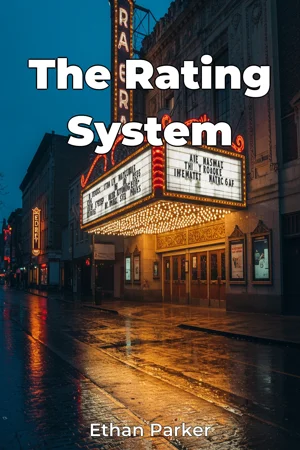
Have you ever wondered why some films are deemed suitable for all audiences while others carry warnings, restricting who can view them? "The Rating System" delves into the complex world of motion picture ratings, unraveling the process, the people involved, and the rationale behind assigning specific classifications. The book addresses the critical role ratings play in shaping audience choices and how these decisions impact the film industry and society at large. The first key topic explored is the historical evolution of rating systems. Understanding their origins sheds light on the social and cultural values that have influenced how content is perceived and regulated over time. Secondly, the book examines the decision-making process itself, scrutinizing the criteria raters use to evaluate films. This includes an analysis of the categories considered, such as violence, language, and sexual content, as well as the subjective judgments involved. Finally, it investigates the consequences of extreme ratings—both the benefits and drawbacks—for filmmakers, distributors, and viewers. These consequences include potential box-office success or failure, artistic freedom limitations, and the accessibility of diverse viewpoints. This book provides a comprehensive overview of film rating systems worldwide, primarily focusing on the Motion Picture Association (MPA) rating system in the United States and similar systems in other countries. It analyzes how these systems balance protecting children and preserving artistic expression. The central argument is that while film ratings are intended to guide consumers and safeguard younger audiences, they are also subject to bias, cultural shifts, and economic pressures that can influence their application and effectiveness. Understanding the intricacies of this system allows for a more informed perspective on the films we consume and the messages they convey. The book's structure begins by introducing the concept of film ratings and their intended purpose. It then traces the historical development of these systems, from early censorship boards to modern age-based classifications. Following this historical overview, the book dives into the contemporary rating process, detailing who the raters are, how they are selected, and the guidelines they follow. Chapters will explore the specific criteria used to assign various ratings and the appeals process available to filmmakers who disagree with a rating decision. Major points include the consideration of community standards, the influence of commercial interests, and the impact of ratings on independent and foreign films. The book culminates by examining the broader social and cultural implications of film ratings. It discusses how ratings can shape public discourse, contribute to censorship debates, and influence the creative choices of filmmakers. Practical applications are considered by evaluating how parents, educators, and policymakers can best utilize and interpret film ratings. Evidence presented in this book draws from a variety of sources, including archival documents, legal case studies, industry reports, and interviews with filmmakers, raters, and academics. Statistical data on box office performance and audience demographics is also analyzed to assess the impact of ratings on film consumption. This book connects to other fields of study, such as media psychology, sociology, and legal studies. Media psychology will help analyze the effects of film content on audiences, while sociology will provide a framework for understanding the social and cultural contexts in which ratings operate. Legal studies will shed light on the First Amendment implications of film ratings and censorship. These interdisciplinary connections enrich the book's argument by providing a more nuanced and comprehensive understanding of the rating system. This book adopts a balanced, analytical approach to presenting information. It aims to provide a comprehensive understanding of the film rating system, appealing to a broad audience, including film students, media scholars, parents, and anyone interested in the social impact of movies. This work satisfies the expectations of non-fiction by delivering a well-researched, fact-based analysis of a complex topic. The scope of the book encompasses film rating systems globally, but primarily focuses on the United States. It acknowledges limitations in its ability to cover every regional variation in detail. Understanding the rating system enables readers to critically evaluate the films they watch and engage in informed discussions about media regulation and artistic freedom. The book also addresses ongoing debates in the field, such as the tension between protecting children from harmful content and allowing filmmakers to explore challenging themes. It suggests practical solutions for improving the transparency and consistency of rating systems.
Have you ever wondered why some films are deemed suitable for all audiences while others carry warnings, restricting who can view them? "The Rating System" delves into the complex world of motion picture ratings, unraveling the process, the people involved, and the rationale behind assigning specific classifications. The book addresses the critical role ratings play in shaping audience choices and how these decisions impact the film industry and society at large. The first key topic explored is the historical evolution of rating systems. Understanding their origins sheds light on the social and cultural values that have influenced how content is perceived and regulated over time. Secondly, the book examines the decision-making process itself, scrutinizing the criteria raters use to evaluate films. This includes an analysis of the categories considered, such as violence, language, and sexual content, as well as the subjective judgments involved. Finally, it investigates the consequences of extreme ratings—both the benefits and drawbacks—for filmmakers, distributors, and viewers. These consequences include potential box-office success or failure, artistic freedom limitations, and the accessibility of diverse viewpoints. This book provides a comprehensive overview of film rating systems worldwide, primarily focusing on the Motion Picture Association (MPA) rating system in the United States and similar systems in other countries. It analyzes how these systems balance protecting children and preserving artistic expression. The central argument is that while film ratings are intended to guide consumers and safeguard younger audiences, they are also subject to bias, cultural shifts, and economic pressures that can influence their application and effectiveness. Understanding the intricacies of this system allows for a more informed perspective on the films we consume and the messages they convey. The book's structure begins by introducing the concept of film ratings and their intended purpose. It then traces the historical development of these systems, from early censorship boards to modern age-based classifications. Following this historical overview, the book dives into the contemporary rating process, detailing who the raters are, how they are selected, and the guidelines they follow. Chapters will explore the specific criteria used to assign various ratings and the appeals process available to filmmakers who disagree with a rating decision. Major points include the consideration of community standards, the influence of commercial interests, and the impact of ratings on independent and foreign films. The book culminates by examining the broader social and cultural implications of film ratings. It discusses how ratings can shape public discourse, contribute to censorship debates, and influence the creative choices of filmmakers. Practical applications are considered by evaluating how parents, educators, and policymakers can best utilize and interpret film ratings. Evidence presented in this book draws from a variety of sources, including archival documents, legal case studies, industry reports, and interviews with filmmakers, raters, and academics. Statistical data on box office performance and audience demographics is also analyzed to assess the impact of ratings on film consumption. This book connects to other fields of study, such as media psychology, sociology, and legal studies. Media psychology will help analyze the effects of film content on audiences, while sociology will provide a framework for understanding the social and cultural contexts in which ratings operate. Legal studies will shed light on the First Amendment implications of film ratings and censorship. These interdisciplinary connections enrich the book's argument by providing a more nuanced and comprehensive understanding of the rating system. This book adopts a balanced, analytical approach to presenting information. It aims to provide a comprehensive understanding of the film rating system, appealing to a broad audience, including film students, media scholars, parents, and anyone interested in the social impact of movies. This work satisfies the expectations of non-fiction by delivering a well-researched, fact-based analysis of a complex topic. The scope of the book encompasses film rating systems globally, but primarily focuses on the United States. It acknowledges limitations in its ability to cover every regional variation in detail. Understanding the rating system enables readers to critically evaluate the films they watch and engage in informed discussions about media regulation and artistic freedom. The book also addresses ongoing debates in the field, such as the tension between protecting children from harmful content and allowing filmmakers to explore challenging themes. It suggests practical solutions for improving the transparency and consistency of rating systems.
"The Rating System" explores the intricate world of motion picture ratings, examining how these classifications shape audience choices and impact the film industry. It delves into the evolution of rating systems, revealing how social and cultural values influence content regulation. Did you know that the criteria raters use include assessments of violence, language, and sexual content, balanced against artistic expression? The book uncovers the decision-making processes and the consequences of extreme ratings for filmmakers and viewers. The book begins by introducing film ratings and their purpose, then traces their historical development from censorship boards to age-based classifications. Chapters detail the contemporary rating process, the criteria used, and the appeals process. It highlights how ratings can shape public discourse and influence creative choices, also noting the consideration of community standards and commercial interests. Understanding the rating system can lead to more informed perspectives on the films we consume and the messages they convey.
Book Details
ISBN
9788235214607
Publisher
Publifye AS
Your Licenses
You don't own any licenses for this book
Purchase a license below to unlock this book and download the EPUB.
Purchase License
Select a tier to unlock this book
Need bulk licensing?
Contact us for enterprise agreements.