
About This Book
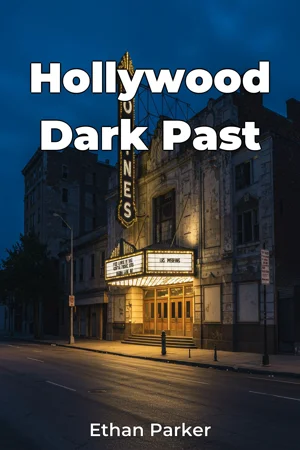
What lurks beneath the shimmering surface of Hollywood's golden age and beyond? "Hollywood Dark Past" exposes the unsettling truths behind the entertainment industry's carefully constructed façade, delving into decades of exploitation, corruption, and scandal that have been deliberately concealed from public view. This book meticulously investigates the systematic abuse of power within Hollywood, revealing the human cost of ambition and the dark underbelly of fame. This exposé focuses on three primary areas: the pervasive exploitation of actors and creatives, the industry's complicity in covering up heinous crimes, and the political manipulation that has shaped Hollywood’s image and influence. These topics are critical because they challenge the romanticized narratives surrounding Hollywood and force a reckoning with the industry's ethical shortcomings. Understanding these issues is crucial for anyone who consumes media, as it sheds light on the power structures that dictate what we see and how we perceive the world. "Hollywood Dark Past" argues that the industry's relentless pursuit of profit and power has consistently been prioritized over the well-being and safety of individuals. This argument is supported by meticulous research into primary source documents, including studio memos, legal records, and personal testimonies. The book is structured to provide a comprehensive understanding of this history. It begins with an introduction that establishes the historical context of Hollywood's rise to prominence. It proceeds to examine specific cases of exploitation, delving into the studio system's control over actors' lives, the prevalence of sexual harassment and assault, and the suppression of dissenting voices. The narrative then shifts to uncover instances where Hollywood studios actively concealed criminal behavior to protect their assets and reputations. Finally, the book analyzes the ways in which Hollywood has wielded its political influence, lobbying for favorable legislation and shaping public opinion through propaganda and censorship. Several unique data sources are utilized, including digitized archives of studio correspondence and declassified FBI files pertaining to Hollywood figures. The research methodology combines historical analysis with investigative journalism techniques to uncover hidden truths and provide a balanced and nuanced perspective. The book draws connections to several other fields, including sociology, criminology, and political science. By examining the sociological factors that contribute to exploitation within hierarchical power structures, the criminological aspects of covering up criminal behavior, and the political science principles of propaganda and censorship, "Hollywood Dark Past" provides a multidisciplinary analysis of Hollywood's dark side. This book distinguishes itself through its unflinching commitment to uncovering the truth, regardless of the consequences. It avoids sensationalism and instead relies on factual evidence and rigorous analysis to present a compelling narrative that challenges conventional wisdom. The target audience includes film enthusiasts, true crime aficionados, students of media studies, and anyone interested in understanding the power dynamics within the entertainment industry. This book offers valuable insights into the hidden realities of Hollywood's past and its lasting impact on contemporary society. As a work of true crime non-fiction, "Hollywood Dark Past" adheres to the genre's conventions by providing a detailed and factual account of real events, while also exploring the psychological and social factors that contributed to these occurrences. The book's scope is intentionally broad, covering a wide range of historical periods and scandals. However, it also acknowledges its limitations, focusing primarily on the American film industry and acknowledging that similar issues may exist in other entertainment sectors. The information presented in "Hollywood Dark Past" has real-world applications for those working in the entertainment industry today, offering valuable lessons about the importance of ethical behavior and the need for greater accountability. It informs ongoing debates surrounding issues of power, privilege, and justice in Hollywood, and contributes to a broader conversation about creating a more equitable and transparent industry.
What lurks beneath the shimmering surface of Hollywood's golden age and beyond? "Hollywood Dark Past" exposes the unsettling truths behind the entertainment industry's carefully constructed façade, delving into decades of exploitation, corruption, and scandal that have been deliberately concealed from public view. This book meticulously investigates the systematic abuse of power within Hollywood, revealing the human cost of ambition and the dark underbelly of fame. This exposé focuses on three primary areas: the pervasive exploitation of actors and creatives, the industry's complicity in covering up heinous crimes, and the political manipulation that has shaped Hollywood’s image and influence. These topics are critical because they challenge the romanticized narratives surrounding Hollywood and force a reckoning with the industry's ethical shortcomings. Understanding these issues is crucial for anyone who consumes media, as it sheds light on the power structures that dictate what we see and how we perceive the world. "Hollywood Dark Past" argues that the industry's relentless pursuit of profit and power has consistently been prioritized over the well-being and safety of individuals. This argument is supported by meticulous research into primary source documents, including studio memos, legal records, and personal testimonies. The book is structured to provide a comprehensive understanding of this history. It begins with an introduction that establishes the historical context of Hollywood's rise to prominence. It proceeds to examine specific cases of exploitation, delving into the studio system's control over actors' lives, the prevalence of sexual harassment and assault, and the suppression of dissenting voices. The narrative then shifts to uncover instances where Hollywood studios actively concealed criminal behavior to protect their assets and reputations. Finally, the book analyzes the ways in which Hollywood has wielded its political influence, lobbying for favorable legislation and shaping public opinion through propaganda and censorship. Several unique data sources are utilized, including digitized archives of studio correspondence and declassified FBI files pertaining to Hollywood figures. The research methodology combines historical analysis with investigative journalism techniques to uncover hidden truths and provide a balanced and nuanced perspective. The book draws connections to several other fields, including sociology, criminology, and political science. By examining the sociological factors that contribute to exploitation within hierarchical power structures, the criminological aspects of covering up criminal behavior, and the political science principles of propaganda and censorship, "Hollywood Dark Past" provides a multidisciplinary analysis of Hollywood's dark side. This book distinguishes itself through its unflinching commitment to uncovering the truth, regardless of the consequences. It avoids sensationalism and instead relies on factual evidence and rigorous analysis to present a compelling narrative that challenges conventional wisdom. The target audience includes film enthusiasts, true crime aficionados, students of media studies, and anyone interested in understanding the power dynamics within the entertainment industry. This book offers valuable insights into the hidden realities of Hollywood's past and its lasting impact on contemporary society. As a work of true crime non-fiction, "Hollywood Dark Past" adheres to the genre's conventions by providing a detailed and factual account of real events, while also exploring the psychological and social factors that contributed to these occurrences. The book's scope is intentionally broad, covering a wide range of historical periods and scandals. However, it also acknowledges its limitations, focusing primarily on the American film industry and acknowledging that similar issues may exist in other entertainment sectors. The information presented in "Hollywood Dark Past" has real-world applications for those working in the entertainment industry today, offering valuable lessons about the importance of ethical behavior and the need for greater accountability. It informs ongoing debates surrounding issues of power, privilege, and justice in Hollywood, and contributes to a broader conversation about creating a more equitable and transparent industry.
"Hollywood Dark Past" uncovers the hidden truths behind the entertainment industry's glamorous facade, exposing decades of exploitation, corruption, and scandal. This true crime narrative meticulously investigates the abuse of power within Hollywood, revealing the human cost of ambition and the dark underbelly of fame. For example, the book delves into the studio system's iron grip on actors' lives, a system that often prioritized profit over well-being, and the shocking extent to which studios concealed criminal behavior to protect their reputations. The book progresses by first establishing the historical context of Hollywood's rise, proceeds to examine exploitation and cover-ups, then analyzes political manipulation. Using primary sources like studio memos and FBI files, the book avoids sensationalism, relying on factual evidence to challenge conventional wisdom. This multidisciplinary approach makes the book valuable for film enthusiasts, true crime aficionados, and anyone interested in the power dynamics of the entertainment industry.
Book Details
ISBN
9788235214584
Publisher
Publifye AS
Your Licenses
You don't own any licenses for this book
Purchase a license below to unlock this book and download the EPUB.
Purchase License
Select a tier to unlock this book
Need bulk licensing?
Contact us for enterprise agreements.