
About This Book
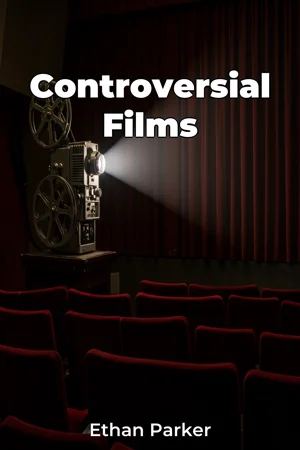
What happens when art clashes with societal norms? *Controversial Films* delves into the tumultuous history of cinema's most provocative works, examining the intense backlash they ignited from critics and audiences alike. This book explores not just the films themselves, but the cultural anxieties they exposed and the lasting impact they've had on both filmmaking and society. This work focuses on three central themes. First, the book dissects the *nature of controversy* itself, exploring how different factors, such as political climate, religious beliefs, and evolving social mores, contribute to a film's contentious reception. Second, it examines the *strategies filmmakers employ* when tackling sensitive subjects, weighing the balance between artistic expression and potential public outrage. Finally, the book analyzes the *long-term consequences* of controversial films, assessing their influence on subsequent movies, legal precedents regarding censorship, and broader cultural dialogues. Understanding the history of controversial films requires acknowledging the ever-shifting landscape of acceptable expression. This book will contextualize each film within its specific historical moment, providing background on relevant social, political, and artistic movements. Prior familiarity with basic film terminology and a general understanding of 20th and 21st century history will enhance the reading experience. The central argument of *Controversial Films* is that these films, regardless of intent or artistic merit, serve as vital barometers of societal values. By provoking strong reactions, they force us to confront uncomfortable truths, challenge existing power structures, and ultimately, redefine the boundaries of acceptable representation. The book's importance lies in its ability to illuminate the complex relationship between art, society, and the ongoing negotiation of freedom of expression. The book unfolds in a structured manner. The introduction lays the groundwork by defining "controversy" in a cinematic context and outlining the book's methodological approach. The subsequent chapters are organized thematically, grouping films based on the specific controversies they triggered, such as depictions of violence, sexuality, religious themes, or political ideologies. Each chapter will analyze 2-3 films in detail, providing historical background, critical reception, and lasting impact. The concluding chapter synthesizes the key findings, examining the recurring patterns and evolving nature of film-related controversies. It considers practical implications around film censorship, rating systems, and the responsibilities of filmmakers and audiences. The analysis presented relies on a variety of sources, including film reviews, historical documents, censorship board records, legal transcripts, and interviews with filmmakers and critics. Primary source material, such as original scripts and production notes, will be incorporated where available to provide unique insights into the creative decisions behind these controversial works. This study draws connections across disciplines, including sociology, political science, and media studies. The examination of censorship connects to legal studies and constitutional law; the analysis of audience reactions relates to social psychology and behavioral economics. The book's insights are enriched by viewing film as a form of social commentary, a political tool, and a reflection of collective anxieties. *Controversial Films* adopts a balanced and nuanced perspective, seeking to understand the motivations of filmmakers, the concerns of critics and audiences, and the broader social context that shaped each film's reception. It strives to avoid sensationalism, instead offering a thoughtful and well-researched analysis grounded in historical evidence and critical theory. The book is primarily aimed at film students, media scholars, and anyone interested in the history of cinema and its relationship to society. It will be valuable to those seeking a deeper understanding of film censorship, the power of visual media, and the complex interplay between art and culture. As a work of film and television history, *Controversial Films* adheres to the conventions of academic rigor and historical accuracy. It presents a balanced perspective, acknowledging multiple viewpoints and providing thorough documentation for all claims. While this book covers a wide range of controversial films from around the world, it does not attempt to be exhaustive. The focus is on select films that exemplify key themes and debates within the history of cinematic controversy. Films selected demonstrate varying levels of impact and notoriety to create a more comprehensive understanding. The lessons learned from *Controversial Films* are highly applicable to real-world situations. Filmmakers can gain insights into the potential consequences of their creative choices; audiences can develop a more critical understanding of the media they consume; and policymakers can make more informed decisions regarding film regulation. The book actively engages with ongoing debates surrounding freedom of speech, artistic expression, and the role of censorship in a democratic society. It examines the ethical considerations involved in depicting sensitive subjects and the potential for film to both challenge and reinforce existing social norms.
What happens when art clashes with societal norms? *Controversial Films* delves into the tumultuous history of cinema's most provocative works, examining the intense backlash they ignited from critics and audiences alike. This book explores not just the films themselves, but the cultural anxieties they exposed and the lasting impact they've had on both filmmaking and society. This work focuses on three central themes. First, the book dissects the *nature of controversy* itself, exploring how different factors, such as political climate, religious beliefs, and evolving social mores, contribute to a film's contentious reception. Second, it examines the *strategies filmmakers employ* when tackling sensitive subjects, weighing the balance between artistic expression and potential public outrage. Finally, the book analyzes the *long-term consequences* of controversial films, assessing their influence on subsequent movies, legal precedents regarding censorship, and broader cultural dialogues. Understanding the history of controversial films requires acknowledging the ever-shifting landscape of acceptable expression. This book will contextualize each film within its specific historical moment, providing background on relevant social, political, and artistic movements. Prior familiarity with basic film terminology and a general understanding of 20th and 21st century history will enhance the reading experience. The central argument of *Controversial Films* is that these films, regardless of intent or artistic merit, serve as vital barometers of societal values. By provoking strong reactions, they force us to confront uncomfortable truths, challenge existing power structures, and ultimately, redefine the boundaries of acceptable representation. The book's importance lies in its ability to illuminate the complex relationship between art, society, and the ongoing negotiation of freedom of expression. The book unfolds in a structured manner. The introduction lays the groundwork by defining "controversy" in a cinematic context and outlining the book's methodological approach. The subsequent chapters are organized thematically, grouping films based on the specific controversies they triggered, such as depictions of violence, sexuality, religious themes, or political ideologies. Each chapter will analyze 2-3 films in detail, providing historical background, critical reception, and lasting impact. The concluding chapter synthesizes the key findings, examining the recurring patterns and evolving nature of film-related controversies. It considers practical implications around film censorship, rating systems, and the responsibilities of filmmakers and audiences. The analysis presented relies on a variety of sources, including film reviews, historical documents, censorship board records, legal transcripts, and interviews with filmmakers and critics. Primary source material, such as original scripts and production notes, will be incorporated where available to provide unique insights into the creative decisions behind these controversial works. This study draws connections across disciplines, including sociology, political science, and media studies. The examination of censorship connects to legal studies and constitutional law; the analysis of audience reactions relates to social psychology and behavioral economics. The book's insights are enriched by viewing film as a form of social commentary, a political tool, and a reflection of collective anxieties. *Controversial Films* adopts a balanced and nuanced perspective, seeking to understand the motivations of filmmakers, the concerns of critics and audiences, and the broader social context that shaped each film's reception. It strives to avoid sensationalism, instead offering a thoughtful and well-researched analysis grounded in historical evidence and critical theory. The book is primarily aimed at film students, media scholars, and anyone interested in the history of cinema and its relationship to society. It will be valuable to those seeking a deeper understanding of film censorship, the power of visual media, and the complex interplay between art and culture. As a work of film and television history, *Controversial Films* adheres to the conventions of academic rigor and historical accuracy. It presents a balanced perspective, acknowledging multiple viewpoints and providing thorough documentation for all claims. While this book covers a wide range of controversial films from around the world, it does not attempt to be exhaustive. The focus is on select films that exemplify key themes and debates within the history of cinematic controversy. Films selected demonstrate varying levels of impact and notoriety to create a more comprehensive understanding. The lessons learned from *Controversial Films* are highly applicable to real-world situations. Filmmakers can gain insights into the potential consequences of their creative choices; audiences can develop a more critical understanding of the media they consume; and policymakers can make more informed decisions regarding film regulation. The book actively engages with ongoing debates surrounding freedom of speech, artistic expression, and the role of censorship in a democratic society. It examines the ethical considerations involved in depicting sensitive subjects and the potential for film to both challenge and reinforce existing social norms.
"Controversial Films" explores the captivating intersection of cinema, censorship, and society. It examines movies that sparked significant debate, delving into the reasons behind their contentious receptions and their enduring impact on filmmaking and cultural norms. The book uncovers how films often become controversial due to clashes with political ideologies, religious themes, or evolving social mores. It also reveals the strategies filmmakers use to navigate these sensitive subjects while pushing the boundaries of artistic expression. The book approaches its subject matter by contextualizing each film within its historical moment, enriching the analysis with film reviews, historical documents, and legal transcripts. Organized thematically, chapters group films based on the controversies they triggered, such as depictions of sexuality or violence. For instance, the book highlights how some films, despite facing censorship, have redefined the limits of acceptable representation and sparked crucial dialogues about freedom of expression. The study progresses from defining cinematic controversy to analyzing individual films and their impact, concluding with a synthesis of recurring patterns and practical implications for filmmakers and audiences alike. This exploration underscores how these provocative works serve as barometers of societal values, challenging power structures and forcing audiences to confront uncomfortable truths.
Book Details
ISBN
9788235214546
Publisher
Publifye AS
Your Licenses
You don't own any licenses for this book
Purchase a license below to unlock this book and download the EPUB.
Purchase License
Select a tier to unlock this book
Need bulk licensing?
Contact us for enterprise agreements.