
About This Book
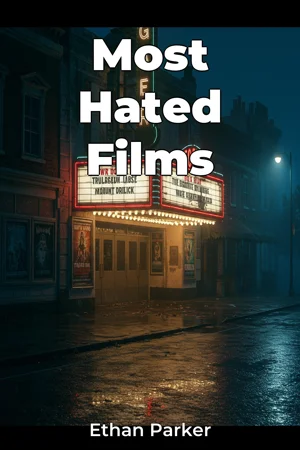
Have you ever wondered what makes a film truly terrible? What combination of factors leads to a cinematic experience so profoundly flawed that it earns the ire of critics and audiences alike? This book, "Most Hated Films," delves into the complex and often fascinating world of cinematic failures, exploring the movies that, for various reasons, have become notorious disasters. We will examine not just films that received negative reviews, but those that sparked outrage, became box-office bombs due to poor creative choices, or achieved a certain infamy for their missteps behind the scenes. The book's core lies in understanding what constitutes "hate" in the context of film. We will analyze metrics, such as critical reception, box office performance, audience scores, and the nature of the controversies surrounding these films. Significance arises in the recognition that failure, even spectacular failure, offers valuable lessons about filmmaking, audience expectations, and the cultural impact of cinema. The analysis avoids easy conclusions, recognizing that a film's reputation can evolve over time, moving from critical derision to cult appreciation, or vice versa. To provide context, we explore the history of film criticism and audience reception, charting how tastes and expectations have changed over the decades. This includes a look at the rise of internet film reviewing and its impact on a movie’s legacy. We will also examine the studio system, independent filmmaking and how financial pressures and creative differences can contribute to a film’s downfall. The book's central argument is that the "worst" films often reveal more about the art form, the industry, and our cultural values than many commercially successful movies ever could. These films, whether due to misguided ambition, technical ineptitude, or tone-deaf storytelling, serve as cautionary tales and unexpected mirrors reflecting cinematic trends and societal sensibilities. "Most Hated Films" is structured to provide a comprehensive analysis. The introduction defines key terms and sets the stage for exploring the multifaceted nature of cinematic failure. Major sections of the book will focus on: 1) Case Studies, where we dissect several films that were major critical or commercial disappointments. We examine the production process, behind-the-scenes issues, and critical and audience reactions. 2) Common Pitfalls, where we identify recurring problems that plague poorly received films, such as weak scripts, poor casting choices, directing failures, and marketing missteps. 3) The Aftermath, exploring the long-term impact of these films on the careers of those involved, as well as their cultural legacy. The culmination of the book includes a reflection on the lessons learned from these failures and their relevance to current filmmaking practices. Our research draws upon a variety of sources, including archival film reviews from major publications, box office data, audience survey results, interviews with filmmakers and actors, and production notes. We also analyze online film communities and social media discussions to understand how these films are perceived and discussed today. The book intersects with fields such as media studies, sociology, and business, as it examines the cultural, social, and economic factors that contribute to a film's success or failure. It seeks to provide a nuanced understanding of why some films crash and burn and what lessons can be gleaned from these spectacular failures. The book offers a unique perspective by examining "bad" films not as mere entertainment failures, but as cultural artifacts that illuminate the complexities of the film industry. The tone is analytical and engaging, aiming for accessibility while maintaining a scholarly depth. The target audience includes film enthusiasts, students of film and media studies, industry professionals, and anyone curious about the anatomy of a cinematic disaster. This book is valuable to them as a learning tool, an exploration into film history, and a source of entertainment. The scope of the book encompasses a wide range of genres and eras, but it does not attempt to be an exhaustive list of every poorly received film ever made. Instead, it offers a carefully curated selection of case studies that represent the diverse reasons for cinematic failure. The information in this book can be applied by aspiring filmmakers to avoid common pitfalls, by film critics to develop more nuanced analyses, and by audiences to gain a deeper appreciation for the art of cinema. The book addresses ongoing debates about the role of critics versus audience opinion, and the nature of "good" versus "bad" taste in film.
Have you ever wondered what makes a film truly terrible? What combination of factors leads to a cinematic experience so profoundly flawed that it earns the ire of critics and audiences alike? This book, "Most Hated Films," delves into the complex and often fascinating world of cinematic failures, exploring the movies that, for various reasons, have become notorious disasters. We will examine not just films that received negative reviews, but those that sparked outrage, became box-office bombs due to poor creative choices, or achieved a certain infamy for their missteps behind the scenes. The book's core lies in understanding what constitutes "hate" in the context of film. We will analyze metrics, such as critical reception, box office performance, audience scores, and the nature of the controversies surrounding these films. Significance arises in the recognition that failure, even spectacular failure, offers valuable lessons about filmmaking, audience expectations, and the cultural impact of cinema. The analysis avoids easy conclusions, recognizing that a film's reputation can evolve over time, moving from critical derision to cult appreciation, or vice versa. To provide context, we explore the history of film criticism and audience reception, charting how tastes and expectations have changed over the decades. This includes a look at the rise of internet film reviewing and its impact on a movie’s legacy. We will also examine the studio system, independent filmmaking and how financial pressures and creative differences can contribute to a film’s downfall. The book's central argument is that the "worst" films often reveal more about the art form, the industry, and our cultural values than many commercially successful movies ever could. These films, whether due to misguided ambition, technical ineptitude, or tone-deaf storytelling, serve as cautionary tales and unexpected mirrors reflecting cinematic trends and societal sensibilities. "Most Hated Films" is structured to provide a comprehensive analysis. The introduction defines key terms and sets the stage for exploring the multifaceted nature of cinematic failure. Major sections of the book will focus on: 1) Case Studies, where we dissect several films that were major critical or commercial disappointments. We examine the production process, behind-the-scenes issues, and critical and audience reactions. 2) Common Pitfalls, where we identify recurring problems that plague poorly received films, such as weak scripts, poor casting choices, directing failures, and marketing missteps. 3) The Aftermath, exploring the long-term impact of these films on the careers of those involved, as well as their cultural legacy. The culmination of the book includes a reflection on the lessons learned from these failures and their relevance to current filmmaking practices. Our research draws upon a variety of sources, including archival film reviews from major publications, box office data, audience survey results, interviews with filmmakers and actors, and production notes. We also analyze online film communities and social media discussions to understand how these films are perceived and discussed today. The book intersects with fields such as media studies, sociology, and business, as it examines the cultural, social, and economic factors that contribute to a film's success or failure. It seeks to provide a nuanced understanding of why some films crash and burn and what lessons can be gleaned from these spectacular failures. The book offers a unique perspective by examining "bad" films not as mere entertainment failures, but as cultural artifacts that illuminate the complexities of the film industry. The tone is analytical and engaging, aiming for accessibility while maintaining a scholarly depth. The target audience includes film enthusiasts, students of film and media studies, industry professionals, and anyone curious about the anatomy of a cinematic disaster. This book is valuable to them as a learning tool, an exploration into film history, and a source of entertainment. The scope of the book encompasses a wide range of genres and eras, but it does not attempt to be an exhaustive list of every poorly received film ever made. Instead, it offers a carefully curated selection of case studies that represent the diverse reasons for cinematic failure. The information in this book can be applied by aspiring filmmakers to avoid common pitfalls, by film critics to develop more nuanced analyses, and by audiences to gain a deeper appreciation for the art of cinema. The book addresses ongoing debates about the role of critics versus audience opinion, and the nature of "good" versus "bad" taste in film.
"Most Hated Films" explores the fascinating phenomenon of cinematic failure by dissecting movies that have become notorious disasters. It's not just about negative reviews; the book examines films that sparked outrage or became box office bombs due to poor creative choices. The analysis considers metrics like critical reception, audience scores, and controversies, understanding that a film's reputation can evolve over time. Did you know that some films initially derided by critics have later achieved cult status? This book argues that these "worst" films often reveal more about the art form, the film industry, and our cultural values than many successful movies. The book presents a comprehensive analysis, beginning with an introduction that defines key terms and sets the stage for the exploration. It then progresses through case studies of major disappointments, identifies common pitfalls like weak scripts or poor casting, and explores the long-term impact of these films. "Most Hated Films" draws upon archival film reviews, box office data, and interviews to provide a nuanced understanding of why some films fail spectacularly. By examining these cinematic missteps, the book offers valuable lessons for filmmakers, critics, and anyone interested in the film industry.
Book Details
ISBN
9788235214492
Publisher
Publifye AS
Your Licenses
You don't own any licenses for this book
Purchase a license below to unlock this book and download the EPUB.
Purchase License
Select a tier to unlock this book
Need bulk licensing?
Contact us for enterprise agreements.