
About This Book
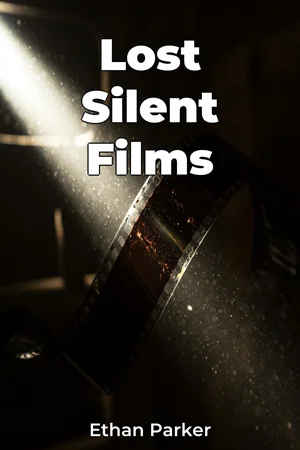
Did you know that nearly 80% of silent films are considered lost forever? "Lost Silent Films" delves into the complex history of early cinema and the cultural tragedy of its rapid disappearance. This book explores not only *what* has been lost, but *why* it has been lost, and the ongoing efforts to recover and restore what remains. Two central themes dominate this narrative: the physical deterioration of early film stock and the historical circumstances that led to neglect and destruction. The fragile nitrate film base used until the 1950s was inherently unstable and highly flammable, resulting in countless films decomposing or being destroyed in fires. This inherent instability, combined with a lack of perceived value in preserving these early works of art and entertainment, led to systematic discarding and even intentional destruction. Understanding both the chemical properties of early film and the sociological context of its reception is crucial to grasping the magnitude of the loss. This book argues that the disappearance of silent films represents a significant cultural loss, impacting our understanding of early 20th-century society, artistic expression, and technological innovation. These films offer a unique window into the past, showcasing social attitudes, fashion, architecture, and performance styles that are often absent from textual historical records. The loss of these films diminishes our collective memory and understanding of our cultural heritage. The book unfolds in three major sections. First, it introduces the technology of early cinema, detailing the processes of film production, distribution, and exhibition, as well as the chemical properties and inherent dangers of nitrate film. Second, it examines the historical factors contributing to the loss, exploring topics such as studio practices, copyright law, archival policies (or lack thereof), and the shifting tastes of audiences. Case studies of specific lost films considered cinematic milestones are provided. Third, it explores the rise of film preservation efforts, highlighting the work of archivists, historians, and institutions dedicated to locating, restoring, and exhibiting silent films. Modern digital restoration techniques are also discussed. The arguments presented are supported by archival research, filmographic data, and historical accounts gleaned from primary sources, including trade publications, studio records, and personal papers of filmmakers and actors. The book draws from the collections of major film archives around the world, offering a global perspective on the problem of lost films. "Lost Silent Films" connects to diverse fields, including art history, media studies, and cultural preservation. The study of silent film aesthetics and techniques connects to art history. The examination of film's impact on society is relevant to media studies. Finally, the efforts to preserve and restore these films align with the principles and practices of cultural preservation. This book takes a multifaceted approach, combining technical analysis, historical investigation, and cultural critique to provide a comprehensive account of the lost silent film era. "Lost Silent Films" maintains a tone that is engaging and accessible while adhering to rigorous academic standards. It is intended for film students, scholars, historians, cinephiles, and anyone interested in the history of visual culture and the challenges of cultural preservation. While this book offers a broad overview of this complex topic, it acknowledges its limitations. It focuses primarily on Western cinema, with less emphasis on the film histories of non-Western countries due to limitations of available research material in English. It seeks to provide a comprehensive overview to serve as a launchpad for future areas of research. The information presented in "Lost Silent Films" has real-world applications for those involved in film archiving, preservation, and restoration. It informs collection development strategies and sheds light on the ongoing debates surrounding film preservation techniques and the ethics of digital restoration. Furthermore, the book addresses the ongoing debate regarding the "authenticity" of restored films. Should restorers strive to recreate the original viewing experience, or should they prioritize preservation for future generations, even if it means altering the original material? This book will present different perspectives on the ethics of film restoration.
Did you know that nearly 80% of silent films are considered lost forever? "Lost Silent Films" delves into the complex history of early cinema and the cultural tragedy of its rapid disappearance. This book explores not only *what* has been lost, but *why* it has been lost, and the ongoing efforts to recover and restore what remains. Two central themes dominate this narrative: the physical deterioration of early film stock and the historical circumstances that led to neglect and destruction. The fragile nitrate film base used until the 1950s was inherently unstable and highly flammable, resulting in countless films decomposing or being destroyed in fires. This inherent instability, combined with a lack of perceived value in preserving these early works of art and entertainment, led to systematic discarding and even intentional destruction. Understanding both the chemical properties of early film and the sociological context of its reception is crucial to grasping the magnitude of the loss. This book argues that the disappearance of silent films represents a significant cultural loss, impacting our understanding of early 20th-century society, artistic expression, and technological innovation. These films offer a unique window into the past, showcasing social attitudes, fashion, architecture, and performance styles that are often absent from textual historical records. The loss of these films diminishes our collective memory and understanding of our cultural heritage. The book unfolds in three major sections. First, it introduces the technology of early cinema, detailing the processes of film production, distribution, and exhibition, as well as the chemical properties and inherent dangers of nitrate film. Second, it examines the historical factors contributing to the loss, exploring topics such as studio practices, copyright law, archival policies (or lack thereof), and the shifting tastes of audiences. Case studies of specific lost films considered cinematic milestones are provided. Third, it explores the rise of film preservation efforts, highlighting the work of archivists, historians, and institutions dedicated to locating, restoring, and exhibiting silent films. Modern digital restoration techniques are also discussed. The arguments presented are supported by archival research, filmographic data, and historical accounts gleaned from primary sources, including trade publications, studio records, and personal papers of filmmakers and actors. The book draws from the collections of major film archives around the world, offering a global perspective on the problem of lost films. "Lost Silent Films" connects to diverse fields, including art history, media studies, and cultural preservation. The study of silent film aesthetics and techniques connects to art history. The examination of film's impact on society is relevant to media studies. Finally, the efforts to preserve and restore these films align with the principles and practices of cultural preservation. This book takes a multifaceted approach, combining technical analysis, historical investigation, and cultural critique to provide a comprehensive account of the lost silent film era. "Lost Silent Films" maintains a tone that is engaging and accessible while adhering to rigorous academic standards. It is intended for film students, scholars, historians, cinephiles, and anyone interested in the history of visual culture and the challenges of cultural preservation. While this book offers a broad overview of this complex topic, it acknowledges its limitations. It focuses primarily on Western cinema, with less emphasis on the film histories of non-Western countries due to limitations of available research material in English. It seeks to provide a comprehensive overview to serve as a launchpad for future areas of research. The information presented in "Lost Silent Films" has real-world applications for those involved in film archiving, preservation, and restoration. It informs collection development strategies and sheds light on the ongoing debates surrounding film preservation techniques and the ethics of digital restoration. Furthermore, the book addresses the ongoing debate regarding the "authenticity" of restored films. Should restorers strive to recreate the original viewing experience, or should they prioritize preservation for future generations, even if it means altering the original material? This book will present different perspectives on the ethics of film restoration.
"Lost Silent Films" explores the tragic disappearance of approximately 80% of silent films, framing it as a significant cultural loss that impacts our understanding of early 20th-century society. This book investigates the reasons behind this cinematic vanishing act, detailing the instability of nitrate film, the era's primary film stock which was prone to decomposition and fire. It also examines the historical context, including a general lack of perceived value which led to neglect, systematic discarding, and even intentional destruction of these early films. This study uniquely combines technical analysis, historical investigation, and cultural critique to provide a comprehensive account of the lost silent era. The book presents a multifaceted approach, from detailing the technology of early cinema and the dangers of nitrate film to the role of studio practices, copyright law, and shifting audience tastes. Case studies of specific lost films considered cinematic milestones are provided. The book progresses by first introducing early film technology, then examining the historical factors contributing to film loss, and finally exploring film preservation efforts and modern digital restoration techniques. By drawing from archival research, filmographic data, and historical accounts, "Lost Silent Films" connects to diverse fields such as art history, media studies, and cultural preservation.
Book Details
ISBN
9788235214423
Publisher
Publifye AS
Your Licenses
You don't own any licenses for this book
Purchase a license below to unlock this book and download the EPUB.
Purchase License
Select a tier to unlock this book
Need bulk licensing?
Contact us for enterprise agreements.