
About This Book
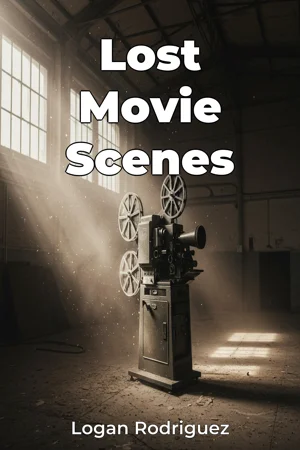
Ever wondered what cinematic masterpieces might have been if certain scenes hadn’t been cut, altered, or lost altogether? "Lost Movie Scenes" delves into the fascinating world of films that could have been, exploring the critical role of deleted, lost, or altered scenes in shaping the narratives and legacies of famous movies. This book investigates how these cinematic fragments influence our understanding of film, artistic expression, and the creative decision-making processes behind beloved stories. The art of filmmaking is a complex dance between creative vision and practical constraints. Studios, directors, and editors often engage in tough choices, shaping the final product. Key themes examined are the impact of censorship, the influence of studio interference, and the effect of test screenings on the ultimate form of a film. Understanding these forces provides critical insight into how movies are constructed, deconstructed, and ultimately received by audiences. Historically, censorship pressures, particularly from rating boards and religious groups, have significantly altered many films. This book shines a light on such instances, juxtaposing the originally intended scenes with the compromised versions that made it to theaters, revealing the impact of these decisions on the film’s message and artistic integrity. We explore the intricate power dynamics within the studio system, showing how executives at times imposed their own vision, often at the expense of the director's original intent. Furthermore, the volatile nature of test screenings and audience reactions is examined, highlighting how filmmakers are sometimes directed to reshape their work in response to immediate, and not always reliable, feedback. The central argument of "Lost Movie Scenes" is that these excised moments are not merely discarded scraps, but vital pieces of a film's history, offering an alternate lens through which to understand a movie’s true potential and the factors that shaped its final iteration. These "lost" scenes can reveal deeper character motivations, resolve plot ambiguities, or even completely alter the audience's interpretation of the narrative. The book begins by examining the theoretical framework around film editing and the artistic choices involved in crafting a movie. It then moves into a close analysis of specific films across various genres and eras, presenting case studies of scenes that were cut for various reasons. For instance, chapters will explore how scenes addressing societal taboos were removed under pressure, how others were sacrificed for pacing, and how some were lost due to accidents or technical limitations. The book culminates by considering how these lost scenes exist today, often found in director's cuts or online fan communities, and their effect on the evolving perception of these films. The evidence presented relies on a combination of archival research, including studio memos, script drafts, and interviews with filmmakers and actors. In some cases, it features recovered footage or detailed descriptions of lost scenes from those who witnessed them. The analysis will show how these discoveries alter our understanding of the films in question. This exploration of "Lost Movie Scenes" intersects with fields such as media studies, sociology, and art history, as it touches upon the social and cultural contexts that influence filmmaking. Viewing film through the lens of these other disciplines enhances its interpretation and helps to understand the influence of social norms and power structures on art. This book takes a unique approach by not merely cataloging deleted scenes, but by analyzing their significance within the broader context of filmmaking and cultural influence. It treats these scenes as artifacts, worthy of study and capable of revealing new insights into familiar cinematic works. Written in a clear, accessible tone, "Lost Movie Scenes" is designed for film enthusiasts, students of cinema, and anyone intrigued by the behind-the-scenes processes that shape our favorite stories. It provides valuable insights into the art and industry of filmmaking, making it a worthwhile read for anyone seeking a better appreciation of the movies they love. As a work of film & television and art non-fiction, the book maintains a balance between scholarly rigor and engaging storytelling, adhering to the genre's conventions of providing in-depth analysis supported by research. The scope of "Lost Movie Scenes" is intentionally broad, covering a range of films from various periods and genres, though it does not claim to be exhaustive. The book's applications touch on practical skills for filmmakers, such as understanding the impact of editorial choices, and offer tools for film critics and viewers to engage with films on a deeper level. Some films discussed will inevitably touch on controversies surrounding censorship and creative control, which are openly addressed, contributing to the discourse about the limits of artistic expression.
Ever wondered what cinematic masterpieces might have been if certain scenes hadn’t been cut, altered, or lost altogether? "Lost Movie Scenes" delves into the fascinating world of films that could have been, exploring the critical role of deleted, lost, or altered scenes in shaping the narratives and legacies of famous movies. This book investigates how these cinematic fragments influence our understanding of film, artistic expression, and the creative decision-making processes behind beloved stories. The art of filmmaking is a complex dance between creative vision and practical constraints. Studios, directors, and editors often engage in tough choices, shaping the final product. Key themes examined are the impact of censorship, the influence of studio interference, and the effect of test screenings on the ultimate form of a film. Understanding these forces provides critical insight into how movies are constructed, deconstructed, and ultimately received by audiences. Historically, censorship pressures, particularly from rating boards and religious groups, have significantly altered many films. This book shines a light on such instances, juxtaposing the originally intended scenes with the compromised versions that made it to theaters, revealing the impact of these decisions on the film’s message and artistic integrity. We explore the intricate power dynamics within the studio system, showing how executives at times imposed their own vision, often at the expense of the director's original intent. Furthermore, the volatile nature of test screenings and audience reactions is examined, highlighting how filmmakers are sometimes directed to reshape their work in response to immediate, and not always reliable, feedback. The central argument of "Lost Movie Scenes" is that these excised moments are not merely discarded scraps, but vital pieces of a film's history, offering an alternate lens through which to understand a movie’s true potential and the factors that shaped its final iteration. These "lost" scenes can reveal deeper character motivations, resolve plot ambiguities, or even completely alter the audience's interpretation of the narrative. The book begins by examining the theoretical framework around film editing and the artistic choices involved in crafting a movie. It then moves into a close analysis of specific films across various genres and eras, presenting case studies of scenes that were cut for various reasons. For instance, chapters will explore how scenes addressing societal taboos were removed under pressure, how others were sacrificed for pacing, and how some were lost due to accidents or technical limitations. The book culminates by considering how these lost scenes exist today, often found in director's cuts or online fan communities, and their effect on the evolving perception of these films. The evidence presented relies on a combination of archival research, including studio memos, script drafts, and interviews with filmmakers and actors. In some cases, it features recovered footage or detailed descriptions of lost scenes from those who witnessed them. The analysis will show how these discoveries alter our understanding of the films in question. This exploration of "Lost Movie Scenes" intersects with fields such as media studies, sociology, and art history, as it touches upon the social and cultural contexts that influence filmmaking. Viewing film through the lens of these other disciplines enhances its interpretation and helps to understand the influence of social norms and power structures on art. This book takes a unique approach by not merely cataloging deleted scenes, but by analyzing their significance within the broader context of filmmaking and cultural influence. It treats these scenes as artifacts, worthy of study and capable of revealing new insights into familiar cinematic works. Written in a clear, accessible tone, "Lost Movie Scenes" is designed for film enthusiasts, students of cinema, and anyone intrigued by the behind-the-scenes processes that shape our favorite stories. It provides valuable insights into the art and industry of filmmaking, making it a worthwhile read for anyone seeking a better appreciation of the movies they love. As a work of film & television and art non-fiction, the book maintains a balance between scholarly rigor and engaging storytelling, adhering to the genre's conventions of providing in-depth analysis supported by research. The scope of "Lost Movie Scenes" is intentionally broad, covering a range of films from various periods and genres, though it does not claim to be exhaustive. The book's applications touch on practical skills for filmmakers, such as understanding the impact of editorial choices, and offer tools for film critics and viewers to engage with films on a deeper level. Some films discussed will inevitably touch on controversies surrounding censorship and creative control, which are openly addressed, contributing to the discourse about the limits of artistic expression.
"Lost Movie Scenes" explores the profound impact of deleted, altered, or lost footage on film history and our understanding of movies. The book examines how these excised moments shape narratives and legacies, offering fresh perspectives on artistic expression and filmmaking. Discover how censorship pressures, studio interference, and test screenings influence the final cut, revealing the complex dance between creative vision and practical constraints. Ever wondered how societal taboos affected movies? Or how much power studio executives wielded over directors? This book uniquely analyzes these cinematic fragments, treating them as artifacts that reveal deeper character motivations and plot resolutions. By examining specific films across genres and eras, the book uncovers scenes cut for various reasons, from censorship to pacing. Learn how these "lost" scenes exist today in director's cuts or online fan communities, impacting how we perceive films. The book begins with a theoretical framework around film editing and progresses into case studies of specific films. The book uses archival research, studio memos, and filmmaker interviews to support its analysis. "Lost Movie Scenes" ultimately provides film enthusiasts and students with valuable insights into the art and industry of filmmaking.
Book Details
ISBN
9788235214348
Publisher
Publifye AS
Your Licenses
You don't own any licenses for this book
Purchase a license below to unlock this book and download the EPUB.
Purchase License
Select a tier to unlock this book
Need bulk licensing?
Contact us for enterprise agreements.