
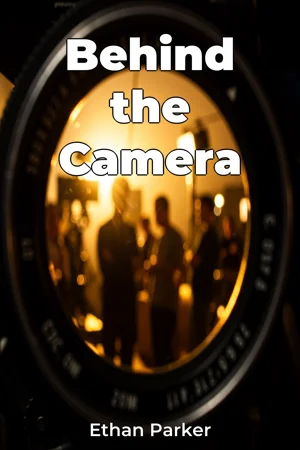
About This Book
What truly shapes a film's visual and narrative power? "Behind the Camera" delves into the collaborative, challenging, and often unseen world of directors and cinematographers, examining their vital roles in creating cinematic masterpieces. This book explores the creative synergy between these key figures, the innovative techniques they employ, and the formidable obstacles they overcome, offering a comprehensive look at how their combined genius brings stories to life on the silver screen. This book focuses on two primary areas: directorial vision and the art of cinematography. Understanding the director's role—from initial concept to final cut—is paramount. "Behind the Camera" examines how directors translate scripts into visual narratives, manage complex productions, and elicit compelling performances. Simultaneously, the book delves into the cinematographer's craft, exploring the technical and artistic aspects of lighting, camera movement, composition, and film stock or digital sensor selection. These elements are not examined in isolation but as integral components of a unified creative vision. Furthermore, the book will reveal the historical, social, and technological contexts that influence both professions. Readers should be prepared to engage with basic film terminology and an awareness of film history, though explanations will be provided as needed. The central argument of "Behind the Camera" is that the dynamic partnership between directors and cinematographers is the single most crucial element in shaping a film's artistic and technical success. This book examines the power of collaboration and the results when these two roles are in sync. The book's structure unfolds in three major parts. First, it introduces the core concepts of directorial style and cinematographic technique, providing a foundation for understanding the individual contributions of each role. Second, it presents a series of case studies, exploring specific films and highlighting the collaborative process between directors and cinematographers, revealing the challenges and breakthroughs encountered during production, and the impact on the final product. Lastly, it examines the future of filmmaking, considering emerging technologies and evolving creative approaches. Case studies will present evidence gathered from interviews with directors, cinematographers, and other crew members, as well as scholarly analysis of films, production notes, and behind-the-scenes footage to support its arguments. "Behind the Camera" also connects with fields outside film studies. It touches upon aspects of psychology, exploring how visual storytelling affects audience perception. Connections to art history are evident in compositions, lighting, and visual motifs while exploring technological innovation. What sets this book apart is its focus on the practical challenges and creative solutions encountered by filmmakers. It incorporates real world scenarios, offering insights that can be applied by aspiring filmmakers, film students, and anyone interested in the art of visual storytelling. Written in a conversational yet informative style, "Behind the Camera" is aimed at film students, aspiring filmmakers, cinephiles, and anyone interested in the creative process behind the camera. It provides a detailed and accessible look at the roles of directors and cinematographers. As a work of non-fiction biography and film & television analysis, this book adheres to the genre's conventions by presenting fact-based information. While the book strives for breadth in its coverage of film history and styles, it focuses primarily on narrative feature films. The information presented can be applied to improve one's understanding of visual storytelling and film production. The book also aims to shine a light on the ongoing debates about auteur theory versus collaborative production, and the impact of technology on the creative process.
What truly shapes a film's visual and narrative power? "Behind the Camera" delves into the collaborative, challenging, and often unseen world of directors and cinematographers, examining their vital roles in creating cinematic masterpieces. This book explores the creative synergy between these key figures, the innovative techniques they employ, and the formidable obstacles they overcome, offering a comprehensive look at how their combined genius brings stories to life on the silver screen. This book focuses on two primary areas: directorial vision and the art of cinematography. Understanding the director's role—from initial concept to final cut—is paramount. "Behind the Camera" examines how directors translate scripts into visual narratives, manage complex productions, and elicit compelling performances. Simultaneously, the book delves into the cinematographer's craft, exploring the technical and artistic aspects of lighting, camera movement, composition, and film stock or digital sensor selection. These elements are not examined in isolation but as integral components of a unified creative vision. Furthermore, the book will reveal the historical, social, and technological contexts that influence both professions. Readers should be prepared to engage with basic film terminology and an awareness of film history, though explanations will be provided as needed. The central argument of "Behind the Camera" is that the dynamic partnership between directors and cinematographers is the single most crucial element in shaping a film's artistic and technical success. This book examines the power of collaboration and the results when these two roles are in sync. The book's structure unfolds in three major parts. First, it introduces the core concepts of directorial style and cinematographic technique, providing a foundation for understanding the individual contributions of each role. Second, it presents a series of case studies, exploring specific films and highlighting the collaborative process between directors and cinematographers, revealing the challenges and breakthroughs encountered during production, and the impact on the final product. Lastly, it examines the future of filmmaking, considering emerging technologies and evolving creative approaches. Case studies will present evidence gathered from interviews with directors, cinematographers, and other crew members, as well as scholarly analysis of films, production notes, and behind-the-scenes footage to support its arguments. "Behind the Camera" also connects with fields outside film studies. It touches upon aspects of psychology, exploring how visual storytelling affects audience perception. Connections to art history are evident in compositions, lighting, and visual motifs while exploring technological innovation. What sets this book apart is its focus on the practical challenges and creative solutions encountered by filmmakers. It incorporates real world scenarios, offering insights that can be applied by aspiring filmmakers, film students, and anyone interested in the art of visual storytelling. Written in a conversational yet informative style, "Behind the Camera" is aimed at film students, aspiring filmmakers, cinephiles, and anyone interested in the creative process behind the camera. It provides a detailed and accessible look at the roles of directors and cinematographers. As a work of non-fiction biography and film & television analysis, this book adheres to the genre's conventions by presenting fact-based information. While the book strives for breadth in its coverage of film history and styles, it focuses primarily on narrative feature films. The information presented can be applied to improve one's understanding of visual storytelling and film production. The book also aims to shine a light on the ongoing debates about auteur theory versus collaborative production, and the impact of technology on the creative process.
"Behind the Camera" explores the dynamic partnership between film directors and cinematographers, revealing the secrets behind visual storytelling and the collaborative nature of movie making. The book argues that this relationship is pivotal to a film's success, examining how directors translate scripts into visual narratives and how cinematographers use lighting, camera movement, and composition to enhance the directorial vision. For example, the selection of film stock or digital sensors is not merely technical; it's an artistic choice that shapes the audience's experience. The book uniquely focuses on real-world challenges and creative solutions encountered during film production. It progresses by first introducing core concepts of directing and cinematography, then delving into case studies of specific films to highlight collaborative processes and breakthroughs. Finally, it looks towards the future of filmmaking, considering emerging technologies and evolving creative approaches. Through interviews, production notes, and film analysis, "Behind the Camera" reveals how these key figures overcome obstacles and bring cinematic masterpieces to life, making it a valuable resource for film students and cinephiles alike.
Book Details
ISBN
9788235214300
Publisher
Publifye AS
Your Licenses
You don't own any licenses for this book
Purchase a license below to unlock this book and download the EPUB.
Purchase License
Select a tier to unlock this book
Need bulk licensing?
Contact us for enterprise agreements.