
About This Book
Ever wondered what truly goes bump in the night during the making of your favorite horror films? "Horror Film Facts" delves into the unsettling truths and captivating stories behind the silver screen’s most terrifying creations. This book unearths not only the on-screen scares but also explores the often chilling realities experienced during production. We examine the intersection of film & television and art providing a unique perspective on the horror genre. The key topics explored in "Horror Film Facts" include the psychology of fear and its manipulation in filmmaking, the frequently bizarre and shocking production secrets that birthed iconic movies, and the eerie coincidences and alleged curses that have plagued certain horror film sets. These facets are important because they reveal a deeper understanding of the horror genre beyond simple entertainment, touching upon human psychology and the impact of art on culture. The book establishes a historical context by tracing the evolution of horror cinema, from its theatrical German Expressionist roots to modern blockbuster franchises. There is no prerequisite knowledge required, but a basic familiarity with popular horror films will enhance the reading experience. Our central argument posits that the making of horror films is often as psychologically unsettling and creatively complex as the films themselves. Understanding the behind-the-scenes realities provides a richer appreciation of the art form. "Horror Film Facts" begins by introducing the main concepts of fear, production challenges, and the role of the macabre in art. The book then develops these ideas through focused chapters. Major points will include a discussion of the intense methods actors employ to embody terrifying roles, a look at the special effects innovations that have pushed the boundaries of believability, and an analysis of the marketing strategies used to amplify the fear factor. The culmination of the argument resides in revealing how these seemingly disparate elements converge to create enduring cinematic nightmares. Finally, the book explores the practical implications of understanding these dynamics, such as recognizing the ethical considerations of manipulating fear for entertainment. To support its arguments, "Horror Film Facts" will present a range of evidence, drawing from interviews with filmmakers, actors, and special effects artists. Production logs, studio archives, and film criticism will also serve as primary sources. Interdisciplinary connections enrich the book's perspective. Firstly, psychology provides insights into audience reactions and the effectiveness of different horror techniques. Secondly, sociology helps explain how cultural anxieties are reflected and amplified in horror films. Thirdly, business studies clarifies the financial and marketing strategies that drive the horror movie industry. “Horror Film Facts” takes a unique approach by merging film history, artistic analysis, and psychological insights into a single cohesive narrative. It is not simply a collection of trivia but rather a structured exploration of the elements that make horror films so compelling. The tone is informative and engaging, designed to appeal to both casual fans and serious film scholars. The target audience includes horror movie enthusiasts, film students, and anyone interested in the creative process behind cinematic storytelling. This book is valuable because it offers a fresh perspective outside of typical film analysis, focusing on the human and artistic elements often overlooked. As part of the 'Film & Television' and 'Art' genres, this book embraces the conventions of fact-based non-fiction, including accuracy, thorough research, and objective presentation. While it aims for broad coverage of the horror film industry, the book will focus primarily on influential North American and European productions, acknowledging the limitations of language and scope. Readers can apply the information to enhance their film viewing experience, understand the creative choices made by filmmakers, and critically analyze the effects of horror media on society. We also explore the ethical issues surrounding the exploitation of fear. "Horror Film Facts" addresses the ongoing debate about the social impact of horror films, including arguments about desensitization and the potential for inspiring real-world violence. The book presents various perspectives on these issues, encouraging readers to form their own informed opinions.
Ever wondered what truly goes bump in the night during the making of your favorite horror films? "Horror Film Facts" delves into the unsettling truths and captivating stories behind the silver screen’s most terrifying creations. This book unearths not only the on-screen scares but also explores the often chilling realities experienced during production. We examine the intersection of film & television and art providing a unique perspective on the horror genre. The key topics explored in "Horror Film Facts" include the psychology of fear and its manipulation in filmmaking, the frequently bizarre and shocking production secrets that birthed iconic movies, and the eerie coincidences and alleged curses that have plagued certain horror film sets. These facets are important because they reveal a deeper understanding of the horror genre beyond simple entertainment, touching upon human psychology and the impact of art on culture. The book establishes a historical context by tracing the evolution of horror cinema, from its theatrical German Expressionist roots to modern blockbuster franchises. There is no prerequisite knowledge required, but a basic familiarity with popular horror films will enhance the reading experience. Our central argument posits that the making of horror films is often as psychologically unsettling and creatively complex as the films themselves. Understanding the behind-the-scenes realities provides a richer appreciation of the art form. "Horror Film Facts" begins by introducing the main concepts of fear, production challenges, and the role of the macabre in art. The book then develops these ideas through focused chapters. Major points will include a discussion of the intense methods actors employ to embody terrifying roles, a look at the special effects innovations that have pushed the boundaries of believability, and an analysis of the marketing strategies used to amplify the fear factor. The culmination of the argument resides in revealing how these seemingly disparate elements converge to create enduring cinematic nightmares. Finally, the book explores the practical implications of understanding these dynamics, such as recognizing the ethical considerations of manipulating fear for entertainment. To support its arguments, "Horror Film Facts" will present a range of evidence, drawing from interviews with filmmakers, actors, and special effects artists. Production logs, studio archives, and film criticism will also serve as primary sources. Interdisciplinary connections enrich the book's perspective. Firstly, psychology provides insights into audience reactions and the effectiveness of different horror techniques. Secondly, sociology helps explain how cultural anxieties are reflected and amplified in horror films. Thirdly, business studies clarifies the financial and marketing strategies that drive the horror movie industry. “Horror Film Facts” takes a unique approach by merging film history, artistic analysis, and psychological insights into a single cohesive narrative. It is not simply a collection of trivia but rather a structured exploration of the elements that make horror films so compelling. The tone is informative and engaging, designed to appeal to both casual fans and serious film scholars. The target audience includes horror movie enthusiasts, film students, and anyone interested in the creative process behind cinematic storytelling. This book is valuable because it offers a fresh perspective outside of typical film analysis, focusing on the human and artistic elements often overlooked. As part of the 'Film & Television' and 'Art' genres, this book embraces the conventions of fact-based non-fiction, including accuracy, thorough research, and objective presentation. While it aims for broad coverage of the horror film industry, the book will focus primarily on influential North American and European productions, acknowledging the limitations of language and scope. Readers can apply the information to enhance their film viewing experience, understand the creative choices made by filmmakers, and critically analyze the effects of horror media on society. We also explore the ethical issues surrounding the exploitation of fear. "Horror Film Facts" addresses the ongoing debate about the social impact of horror films, including arguments about desensitization and the potential for inspiring real-world violence. The book presents various perspectives on these issues, encouraging readers to form their own informed opinions.
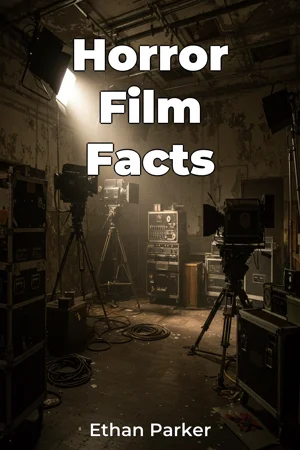
"Horror Film Facts" explores the unsettling truths behind the making of horror films, delving into the intersection of Film & Television and Art. It examines the psychology of fear and the bizarre, sometimes shocking, production secrets that birthed iconic movies. Readers will discover how filmmakers manipulate fear and the intense methods actors employ to embody terrifying roles. The book also unearths eerie coincidences and alleged curses that have plagued certain horror film sets, adding a layer of intrigue to the horror genre. Beginning with an introduction to the concepts of fear and production challenges, the book progresses through focused chapters, discussing special effects innovations and marketing strategies. By merging film history, artistic analysis, and psychological insights, "Horror Film Facts" presents a unique perspective, revealing the human and artistic elements often overlooked. It's not just trivia, but a structured exploration of what makes these films so compelling, tracing the evolution of horror cinema from its early roots to modern franchises.
Book Details
ISBN
9788235214232
Publisher
Publifye AS
Your Licenses
You don't own any licenses for this book
Purchase a license below to unlock this book and download the EPUB.
Purchase License
Select a tier to unlock this book
Need bulk licensing?
Contact us for enterprise agreements.