
About This Book
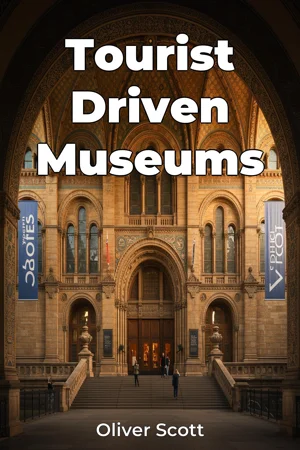
What makes a museum a must-see destination in an era dominated by fleeting trends and social media buzz? "Tourist Driven Museums" delves into the evolving landscape of museums designed to attract mass tourism, examining the intricate balance between preserving cultural heritage and providing engaging, entertainment-driven experiences. This book explores how museums are strategically transforming to meet the demands of an increasingly experience-hungry tourist market. This book primarily addresses two key topics: the design and curation of museum exhibits tailored for mass appeal, and the socio-economic impacts of tourism on museum management and local communities. These topics are significant because they highlight a critical shift in the museum world, where institutions are increasingly reliant on tourism revenue for sustainability, leading to complex decisions about content, presentation, and accessibility. Historically, museums were conceived as repositories of knowledge and cultural artifacts, primarily serving academic and research purposes. However, the rise of mass tourism has necessitated a re-evaluation of this role. The book will provide context on this evolution, from the traditional museum model to the contemporary, visitor-centric approach, considering the influence of factors such as globalization, digital technology, and changing leisure preferences. The central argument of "Tourist Driven Museums" is that, while the embrace of tourism offers museums unprecedented opportunities for growth and public engagement, it also presents significant challenges to their core mission of preservation, education, and scholarly research. The book posits that successful museums must find innovative ways to reconcile these potentially conflicting priorities, creating experiences that are both commercially viable and intellectually enriching. The book's structure begins with an introduction to the key concepts of museum tourism and its historical development. It then develops these ideas through chapters focusing on: (1) exhibit design and visitor experience, examining how museums use storytelling, technology, and interactive displays to cater to diverse audiences; (2) the economic impact of museum tourism, analyzing revenue generation, job creation, and the potential for over-tourism and commodification of culture; and (3) case studies of museums around the world that have successfully (or unsuccessfully) navigated this dynamic landscape. The book culminates with a discussion of best practices and future trends, offering insights into how museums can thrive as both cultural institutions and tourist destinations. The arguments presented are supported by a range of evidence, including visitor statistics, economic impact assessments, museum management reports, and critical analysis of museum exhibits. The book also draws on primary research, including interviews with museum professionals, tourism experts, and community stakeholders. "Tourist Driven Museums" is a work that connects to the fields of tourism studies, art history, cultural economics, and museum studies. By considering the economic, social, and artistic dimensions of museum tourism, the book offers a holistic perspective on this complex phenomenon. This book takes a unique approach by examining museums not merely as cultural institutions, but also as economic actors within the global tourism industry. It highlights the tension between commercial imperatives and cultural preservation, offering a critical perspective on the strategies museums employ to navigate this tension. Written in an accessible and engaging style, "Tourist Driven Museums" aims to appeal to a broad audience, including museum professionals, tourism planners, cultural policymakers, academics, and anyone interested in the evolving role of museums in contemporary society. The book provides valuable insights for those seeking to understand and shape the future of these important cultural institutions and their connection with the tourism industry. As a work of non-fiction, "Tourist Driven Museums" will adhere to the conventions of academic rigor, presenting well-researched and documented information, while also striving to make complex ideas accessible to a general readership. The scope of the book is global, examining case studies from diverse cultural contexts. However, it acknowledges the limitations of generalizing across such varied settings, focusing instead on identifying common trends and challenges within the field of museum tourism. The information presented in "Tourist Driven Museums" can be applied practically by museum professionals seeking to enhance their visitor experiences, tourism planners looking to integrate museums into their destination strategies, and policymakers aiming to support the sustainable development of cultural tourism. The book addresses ongoing debates about the ethics of museum tourism, including concerns about cultural appropriation, the commodification of heritage, and the impact of tourism on local communities. It seeks to offer a balanced and nuanced perspective on these complex issues, encouraging critical reflection and informed decision-making.
What makes a museum a must-see destination in an era dominated by fleeting trends and social media buzz? "Tourist Driven Museums" delves into the evolving landscape of museums designed to attract mass tourism, examining the intricate balance between preserving cultural heritage and providing engaging, entertainment-driven experiences. This book explores how museums are strategically transforming to meet the demands of an increasingly experience-hungry tourist market. This book primarily addresses two key topics: the design and curation of museum exhibits tailored for mass appeal, and the socio-economic impacts of tourism on museum management and local communities. These topics are significant because they highlight a critical shift in the museum world, where institutions are increasingly reliant on tourism revenue for sustainability, leading to complex decisions about content, presentation, and accessibility. Historically, museums were conceived as repositories of knowledge and cultural artifacts, primarily serving academic and research purposes. However, the rise of mass tourism has necessitated a re-evaluation of this role. The book will provide context on this evolution, from the traditional museum model to the contemporary, visitor-centric approach, considering the influence of factors such as globalization, digital technology, and changing leisure preferences. The central argument of "Tourist Driven Museums" is that, while the embrace of tourism offers museums unprecedented opportunities for growth and public engagement, it also presents significant challenges to their core mission of preservation, education, and scholarly research. The book posits that successful museums must find innovative ways to reconcile these potentially conflicting priorities, creating experiences that are both commercially viable and intellectually enriching. The book's structure begins with an introduction to the key concepts of museum tourism and its historical development. It then develops these ideas through chapters focusing on: (1) exhibit design and visitor experience, examining how museums use storytelling, technology, and interactive displays to cater to diverse audiences; (2) the economic impact of museum tourism, analyzing revenue generation, job creation, and the potential for over-tourism and commodification of culture; and (3) case studies of museums around the world that have successfully (or unsuccessfully) navigated this dynamic landscape. The book culminates with a discussion of best practices and future trends, offering insights into how museums can thrive as both cultural institutions and tourist destinations. The arguments presented are supported by a range of evidence, including visitor statistics, economic impact assessments, museum management reports, and critical analysis of museum exhibits. The book also draws on primary research, including interviews with museum professionals, tourism experts, and community stakeholders. "Tourist Driven Museums" is a work that connects to the fields of tourism studies, art history, cultural economics, and museum studies. By considering the economic, social, and artistic dimensions of museum tourism, the book offers a holistic perspective on this complex phenomenon. This book takes a unique approach by examining museums not merely as cultural institutions, but also as economic actors within the global tourism industry. It highlights the tension between commercial imperatives and cultural preservation, offering a critical perspective on the strategies museums employ to navigate this tension. Written in an accessible and engaging style, "Tourist Driven Museums" aims to appeal to a broad audience, including museum professionals, tourism planners, cultural policymakers, academics, and anyone interested in the evolving role of museums in contemporary society. The book provides valuable insights for those seeking to understand and shape the future of these important cultural institutions and their connection with the tourism industry. As a work of non-fiction, "Tourist Driven Museums" will adhere to the conventions of academic rigor, presenting well-researched and documented information, while also striving to make complex ideas accessible to a general readership. The scope of the book is global, examining case studies from diverse cultural contexts. However, it acknowledges the limitations of generalizing across such varied settings, focusing instead on identifying common trends and challenges within the field of museum tourism. The information presented in "Tourist Driven Museums" can be applied practically by museum professionals seeking to enhance their visitor experiences, tourism planners looking to integrate museums into their destination strategies, and policymakers aiming to support the sustainable development of cultural tourism. The book addresses ongoing debates about the ethics of museum tourism, including concerns about cultural appropriation, the commodification of heritage, and the impact of tourism on local communities. It seeks to offer a balanced and nuanced perspective on these complex issues, encouraging critical reflection and informed decision-making.
"Tourist Driven Museums" explores the transformation of museums into must-see destinations, balancing cultural preservation with visitor engagement in the age of mass tourism. It examines how museums strategically adapt exhibit design and management to attract tourists, highlighting the shift from repositories of knowledge to experience-driven attractions. The book addresses the socio-economic impacts of tourism, including revenue generation and job creation, while also considering the potential for over-tourism and cultural commodification. It's intriguing how museums now use storytelling, technology, and interactive displays to cater to diverse audiences, yet the book also questions if this compromises their core mission of preservation and scholarly research. The book uniquely positions museums as economic actors within the global tourism industry, navigating the tension between commercial needs and cultural integrity. Through case studies from around the world, the author analyzes how different museums have succeeded or failed in this balancing act. The book progresses from the historical context of museum tourism to examining exhibit design, economic impacts, and future trends. It aims to provide insights for museum professionals, tourism planners, and policymakers, offering a holistic view of how museums can thrive as both cultural institutions and tourist destinations.
Book Details
ISBN
9788235214195
Publisher
Publifye AS
Your Licenses
You don't own any licenses for this book
Purchase a license below to unlock this book and download the EPUB.
Purchase License
Select a tier to unlock this book
Need bulk licensing?
Contact us for enterprise agreements.