
About This Book
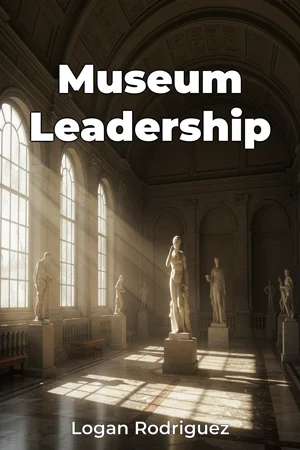
What defines a museum's legacy? Is it solely the breadth and quality of its collection, or is it the vision and leadership that steers its curatorial direction and public engagement? *Museum Leadership* delves into the multifaceted role of museum directors, exploring the complex decision-making processes they navigate and the profound impact they have on shaping collections and institutional identity. This book addresses two critical areas: the evolving challenges facing museum directors in the 21st century and the practical strategies for effective leadership within these complex institutions. Understanding these dynamics is essential for anyone involved in museum governance, management, or curatorial work. The book provides a context for comprehending modern museum leadership by examining the historical evolution of museums, from cabinets of curiosities to community-centered institutions. It briefly touches on the influence of patronage, philanthropy, and government funding on museum development, highlighting the shift from scholarly pursuits to broader audience engagement. While a background in art history or museum studies is beneficial, the book is designed to be accessible to readers from diverse fields, including business and non-profit management. At its core, *Museum Leadership* argues that effective museum leadership requires a delicate balance between preserving the past, engaging with contemporary audiences, and ensuring long-term financial sustainability. This argument is crucial because it challenges the traditional view of museum directors as purely curatorial figures, emphasizing their role as strategic leaders and organizational managers. The book is structured into three main sections. The first section introduces the fundamental concepts of museum governance, ethics, and strategic planning. The second section examines key challenges facing museum directors, such as balancing artistic integrity with financial realities, navigating donor relations, and fostering diversity and inclusion within the institution. The final section focuses on practical leadership skills, including communication, team building, and change management, using case studies of successful and unsuccessful museum initiatives. The analysis presented in *Museum Leadership* relies on a combination of qualitative and quantitative data. It includes case studies of museums of varying sizes and missions, interviews with museum professionals, and analyses of museum financial reports and attendance records. This multi-faceted approach provides a comprehensive and nuanced understanding of the complexities of museum leadership. *Museum Leadership* connects to several other fields, including art history, business administration, and public policy. Its exploration of collection management intersects with art historical scholarship, while its focus on organizational strategy aligns with principles of business administration. Moreover, its discussion of museum funding and governance connects with debates about cultural policy and the role of museums in society. What sets this book apart is its integration of leadership theory with practical insights from the museum world. It provides a toolkit for aspiring and current museum leaders, offering actionable strategies for navigating the challenges of the 21st century museum landscape. The tone is professional and analytical, yet accessible to a broad audience. The writing style emphasizes clarity and precision, avoiding jargon and technical terms where possible. The primary audience for this book includes museum directors, curators, board members, students in museum studies programs, and anyone interested in the management and leadership of cultural institutions. It is valuable for practicing professionals, offering strategies for improving their leadership skills and addressing common challenges, and it is beneficial for students, providing a theoretical framework for understanding the complexities of museum management. As a work in the genres of Art, Business Management, and Management, the book adheres to these expectations: rigorous research, case study analysis, and actionable recommendations. The scope of *Museum Leadership* encompasses a wide range of museum types, from small historical societies to large encyclopedic museums. However, it focuses primarily on museums in the United States and Europe, and it does not delve deeply into the specific challenges of museums in developing countries. The information presented in *Museum Leadership* can be applied practically by museum professionals in a variety of ways, including developing strategic plans, improving communication with stakeholders, and building more effective teams. Furthermore, the book addresses ongoing debates within the museum field, such as the tension between preserving cultural heritage and promoting social justice, and the role of museums in a rapidly changing digital landscape.
What defines a museum's legacy? Is it solely the breadth and quality of its collection, or is it the vision and leadership that steers its curatorial direction and public engagement? *Museum Leadership* delves into the multifaceted role of museum directors, exploring the complex decision-making processes they navigate and the profound impact they have on shaping collections and institutional identity. This book addresses two critical areas: the evolving challenges facing museum directors in the 21st century and the practical strategies for effective leadership within these complex institutions. Understanding these dynamics is essential for anyone involved in museum governance, management, or curatorial work. The book provides a context for comprehending modern museum leadership by examining the historical evolution of museums, from cabinets of curiosities to community-centered institutions. It briefly touches on the influence of patronage, philanthropy, and government funding on museum development, highlighting the shift from scholarly pursuits to broader audience engagement. While a background in art history or museum studies is beneficial, the book is designed to be accessible to readers from diverse fields, including business and non-profit management. At its core, *Museum Leadership* argues that effective museum leadership requires a delicate balance between preserving the past, engaging with contemporary audiences, and ensuring long-term financial sustainability. This argument is crucial because it challenges the traditional view of museum directors as purely curatorial figures, emphasizing their role as strategic leaders and organizational managers. The book is structured into three main sections. The first section introduces the fundamental concepts of museum governance, ethics, and strategic planning. The second section examines key challenges facing museum directors, such as balancing artistic integrity with financial realities, navigating donor relations, and fostering diversity and inclusion within the institution. The final section focuses on practical leadership skills, including communication, team building, and change management, using case studies of successful and unsuccessful museum initiatives. The analysis presented in *Museum Leadership* relies on a combination of qualitative and quantitative data. It includes case studies of museums of varying sizes and missions, interviews with museum professionals, and analyses of museum financial reports and attendance records. This multi-faceted approach provides a comprehensive and nuanced understanding of the complexities of museum leadership. *Museum Leadership* connects to several other fields, including art history, business administration, and public policy. Its exploration of collection management intersects with art historical scholarship, while its focus on organizational strategy aligns with principles of business administration. Moreover, its discussion of museum funding and governance connects with debates about cultural policy and the role of museums in society. What sets this book apart is its integration of leadership theory with practical insights from the museum world. It provides a toolkit for aspiring and current museum leaders, offering actionable strategies for navigating the challenges of the 21st century museum landscape. The tone is professional and analytical, yet accessible to a broad audience. The writing style emphasizes clarity and precision, avoiding jargon and technical terms where possible. The primary audience for this book includes museum directors, curators, board members, students in museum studies programs, and anyone interested in the management and leadership of cultural institutions. It is valuable for practicing professionals, offering strategies for improving their leadership skills and addressing common challenges, and it is beneficial for students, providing a theoretical framework for understanding the complexities of museum management. As a work in the genres of Art, Business Management, and Management, the book adheres to these expectations: rigorous research, case study analysis, and actionable recommendations. The scope of *Museum Leadership* encompasses a wide range of museum types, from small historical societies to large encyclopedic museums. However, it focuses primarily on museums in the United States and Europe, and it does not delve deeply into the specific challenges of museums in developing countries. The information presented in *Museum Leadership* can be applied practically by museum professionals in a variety of ways, including developing strategic plans, improving communication with stakeholders, and building more effective teams. Furthermore, the book addresses ongoing debates within the museum field, such as the tension between preserving cultural heritage and promoting social justice, and the role of museums in a rapidly changing digital landscape.
*Museum Leadership* explores the evolving role of museum directors, emphasizing their increasing responsibility in strategic planning and organizational management beyond traditional curatorial duties. It delves into how these leaders shape collections and institutional identities, highlighting the intricate balance required to preserve the past while engaging contemporary audiences. Effective leadership requires a deep understanding of museum governance, ethics, and strategic planning, underscored by the fact that shifts in patronage, philanthropy, and government funding have significantly altered museums' focus toward broader public engagement. The book uniquely integrates leadership theory with practical insights from the museum world. It examines critical challenges such as balancing artistic integrity with financial realities and fostering diversity and inclusion. Through case studies and interviews, it progresses from foundational concepts to actionable strategies for communication, team building, and change management. By providing a comprehensive understanding of museum leadership, this book serves as a valuable resource for both current and aspiring museum professionals navigating the complexities of cultural institutions.
Book Details
ISBN
9788235214140
Publisher
Publifye AS
Your Licenses
You don't own any licenses for this book
Purchase a license below to unlock this book and download the EPUB.
Purchase License
Select a tier to unlock this book
Need bulk licensing?
Contact us for enterprise agreements.