
About This Book
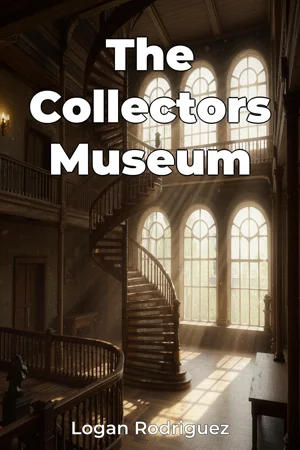
What happens when a lifetime of passionate collecting transcends personal enjoyment and becomes a public treasure? "The Collectors Museum" explores the fascinating phenomenon of private art and architecture collections transformed into public museums, examining the motivations, challenges, and profound impact of these unique institutions. This book delves into the world where personal passion meets public accessibility, shaping cultural landscapes and redefining the museum experience. The book focuses on three core themes: the psychology of collecting and its evolution into philanthropy, the architectural considerations in converting private spaces or designing new structures for public display, and the socio-cultural implications of making previously private collections accessible to a wider audience. These themes are vital because they illuminate the complex intersection of personal desire, artistic preservation, and community enrichment. Understanding these dynamics is key to appreciating the increasingly important role of collectors' museums in the broader art world. The historical context is crucial. The transition from private cabinets of curiosities to modern public museums reveals evolving attitudes towards art ownership and accessibility. Throughout history, art collections were predominantly exclusive to the wealthy elite. The emergence of collectors' museums signifies a noteworthy shift towards democratizing access to art and design. Prerequisite knowledge may include a basic understanding of art history, museum studies, and architectural principles, but the book will provide sufficient context for readers with a general interest in art and culture. The central argument of "The Collectors Museum" is that these institutions represent a distinct category of museum, characterized by a deeply personal vision that often challenges traditional curatorial practices and architectural norms. This argument is significant because it re-evaluates the role of the collector in shaping public art experiences, moving beyond mere patronage to active participation in the creation and dissemination of cultural knowledge. The book unfolds in a structured manner. It begins by introducing the concept of the collector's museum, differentiating it from traditional institutions. The development of ideas is organized into three key sections: the first explores the motivations behind turning a private collection public, examining the psychological and philanthropic drivers; the second analyzes the architectural adaptations and innovations required to house and display these collections, featuring case studies of both converted residences and purpose-built structures; and the third examines the socio-cultural impact of these museums on their communities, including visitor engagement, educational programming, and economic development. The culmination of the argument asserts the lasting legacy of collectors' museums in shaping the future of art accessibility. The evidence presented draws from a variety of sources, including interviews with collectors and museum directors, architectural analyses of museum spaces, visitor surveys, and historical documents relating to the founding and operation of these institutions. Unique data sources include previously unpublished archival materials from select collectors' estates and exclusive photographic documentation of private spaces before and after their conversion into public museums. "The Collectors Museum" connects to several interdisciplinary fields. It engages with psychology by examining the motivations and behaviors of collectors. Connections to economics are made through the analysis of the financial aspects of establishing and maintaining these museums, as well as their economic impact on local communities. Finally, it connects to sociology by considering the role of these museums in shaping social identities and fostering cultural dialogue. The book's innovative approach lies in its holistic examination of the collector's museum, considering not only the art and architecture but also the personal narratives and socio-cultural contexts that define these institutions. This perspective offers a fresh viewpoint on the evolving landscape of art museums. The tone and writing style will be accessible and engaging, balancing scholarly rigor with a conversational approach. The book avoids academic jargon and presents complex ideas in a clear and concise manner, making it accessible to a broad readership. The target audience includes art enthusiasts, museum professionals, architects, collectors, and anyone interested in the intersection of art, architecture, and philanthropy. This book offers valuable insights into the motivations behind creating these museums, the challenges of designing spaces for public display, and the impact on communities. As an exploration of architecture and art, the book adheres to the genre’s expectations of detailed descriptions, visual aids, and historical accuracy. It acknowledges the limitations of focusing on a selection of collectors' museums, rather than providing an exhaustive survey of all such institutions. The information in this book can be applied practically by aspiring collectors, museum professionals seeking to create more engaging visitor experiences, and architects designing spaces for art display. The book acknowledges ongoing debates within the museum sector regarding the ethics of deaccessioning and the balance between preserving a collector's vision and adapting to changing audience needs. It addresses these controversies by presenting diverse perspectives and encouraging critical reflection on the role of collectors' museums in the 21st century.
What happens when a lifetime of passionate collecting transcends personal enjoyment and becomes a public treasure? "The Collectors Museum" explores the fascinating phenomenon of private art and architecture collections transformed into public museums, examining the motivations, challenges, and profound impact of these unique institutions. This book delves into the world where personal passion meets public accessibility, shaping cultural landscapes and redefining the museum experience. The book focuses on three core themes: the psychology of collecting and its evolution into philanthropy, the architectural considerations in converting private spaces or designing new structures for public display, and the socio-cultural implications of making previously private collections accessible to a wider audience. These themes are vital because they illuminate the complex intersection of personal desire, artistic preservation, and community enrichment. Understanding these dynamics is key to appreciating the increasingly important role of collectors' museums in the broader art world. The historical context is crucial. The transition from private cabinets of curiosities to modern public museums reveals evolving attitudes towards art ownership and accessibility. Throughout history, art collections were predominantly exclusive to the wealthy elite. The emergence of collectors' museums signifies a noteworthy shift towards democratizing access to art and design. Prerequisite knowledge may include a basic understanding of art history, museum studies, and architectural principles, but the book will provide sufficient context for readers with a general interest in art and culture. The central argument of "The Collectors Museum" is that these institutions represent a distinct category of museum, characterized by a deeply personal vision that often challenges traditional curatorial practices and architectural norms. This argument is significant because it re-evaluates the role of the collector in shaping public art experiences, moving beyond mere patronage to active participation in the creation and dissemination of cultural knowledge. The book unfolds in a structured manner. It begins by introducing the concept of the collector's museum, differentiating it from traditional institutions. The development of ideas is organized into three key sections: the first explores the motivations behind turning a private collection public, examining the psychological and philanthropic drivers; the second analyzes the architectural adaptations and innovations required to house and display these collections, featuring case studies of both converted residences and purpose-built structures; and the third examines the socio-cultural impact of these museums on their communities, including visitor engagement, educational programming, and economic development. The culmination of the argument asserts the lasting legacy of collectors' museums in shaping the future of art accessibility. The evidence presented draws from a variety of sources, including interviews with collectors and museum directors, architectural analyses of museum spaces, visitor surveys, and historical documents relating to the founding and operation of these institutions. Unique data sources include previously unpublished archival materials from select collectors' estates and exclusive photographic documentation of private spaces before and after their conversion into public museums. "The Collectors Museum" connects to several interdisciplinary fields. It engages with psychology by examining the motivations and behaviors of collectors. Connections to economics are made through the analysis of the financial aspects of establishing and maintaining these museums, as well as their economic impact on local communities. Finally, it connects to sociology by considering the role of these museums in shaping social identities and fostering cultural dialogue. The book's innovative approach lies in its holistic examination of the collector's museum, considering not only the art and architecture but also the personal narratives and socio-cultural contexts that define these institutions. This perspective offers a fresh viewpoint on the evolving landscape of art museums. The tone and writing style will be accessible and engaging, balancing scholarly rigor with a conversational approach. The book avoids academic jargon and presents complex ideas in a clear and concise manner, making it accessible to a broad readership. The target audience includes art enthusiasts, museum professionals, architects, collectors, and anyone interested in the intersection of art, architecture, and philanthropy. This book offers valuable insights into the motivations behind creating these museums, the challenges of designing spaces for public display, and the impact on communities. As an exploration of architecture and art, the book adheres to the genre’s expectations of detailed descriptions, visual aids, and historical accuracy. It acknowledges the limitations of focusing on a selection of collectors' museums, rather than providing an exhaustive survey of all such institutions. The information in this book can be applied practically by aspiring collectors, museum professionals seeking to create more engaging visitor experiences, and architects designing spaces for art display. The book acknowledges ongoing debates within the museum sector regarding the ethics of deaccessioning and the balance between preserving a collector's vision and adapting to changing audience needs. It addresses these controversies by presenting diverse perspectives and encouraging critical reflection on the role of collectors' museums in the 21st century.
"The Collectors Museum" explores the captivating world of private art collections that have evolved into public museums, highlighting the unique interplay of personal passion, architecture, and community enrichment. These institutions, born from a collector's vision, often challenge conventional museum norms, impacting art accessibility and cultural landscapes. The book delves into the motivations behind this transition, revealing how collectors' desires for legacy and philanthropy shape these spaces. The book examines architectural considerations, from converting private residences to designing new museum structures, and the socio-cultural effects of sharing previously private collections with the public. It emphasizes the democratization of art, a shift from exclusive access for the wealthy elite to broader community engagement. Unique to these museums is the deeply personal vision that drives their creation, influencing everything from museum design to the visitor experience. The book progresses from introducing the concept of the collector's museum to exploring the psychological and philanthropic drivers behind their creation. It analyzes architectural adaptations through case studies and examines the socio-cultural impact on communities, ultimately asserting the lasting legacy of these museums in shaping the future of art accessibility. This holistic approach offers a fresh perspective on the evolving landscape of art museums.
Book Details
ISBN
9788235213945
Publisher
Publifye AS
Your Licenses
You don't own any licenses for this book
Purchase a license below to unlock this book and download the EPUB.
Purchase License
Select a tier to unlock this book
Need bulk licensing?
Contact us for enterprise agreements.