
About This Book
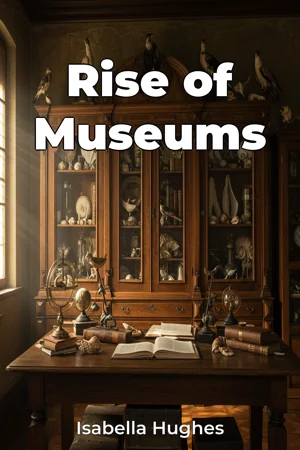
How did scattered collections of curiosities evolve into the vast networks of museums that shape our understanding of history and art today? "Rise of Museums" explores this transformation, tracing the fascinating journey from private cabinets of wonder to the globally influential institutions that preserve and interpret our shared heritage. This book argues that the development of museums is not simply a story of collecting objects, but a reflection of changing social values, evolving scientific methodologies, and shifting power dynamics. The book is structured around three core themes. First, it investigates the origins of museums in the Renaissance and Enlightenment periods, examining the role of aristocratic collections and scientific societies in laying the groundwork for public institutions. This section details how the impulse to classify and display the natural world, coupled with the desire to showcase personal wealth and status, fueled the early development of museum practices. Second, "Rise of Museums" analyzes the rise of the modern museum in the 19th and 20th centuries, focusing on the impact of nationalism, colonialism, and industrialization. This part of the book considers how museums became tools for nation-building, vehicles for asserting cultural dominance, and spaces for educating the public about the wonders of science and technology. Finally, the book addresses the contemporary challenges and opportunities facing museums in the 21st century, including issues of repatriation, digital engagement, and social justice. This section examines how museums are adapting to changing demographics, grappling with their colonial legacies, and striving to remain relevant in an increasingly digital world. To support its arguments, "Rise of Museums" draws upon a range of primary and secondary sources, including museum archives, historical catalogs, exhibition reviews, and scholarly publications. The book also incorporates case studies of specific museums around the world, from the British Museum to the Louvre, to illustrate key trends and developments. This approach integrates both quantitative data, such as visitor statistics and collection sizes, with qualitative analysis of museum policies and curatorial practices. "Rise of Museums" connects to several other fields of study, including art history, cultural studies, history, and sociology. By examining museums as cultural products, reflecting and shaping social norms and values, the book provides insights into the broader dynamics of power, knowledge, and identity. Furthermore, the book's analysis of museum collecting practices sheds light on the history of colonialism and its ongoing impact on cultural institutions. The book takes a critical approach, exploring the ways in which museums have been shaped by social, political, and economic forces. It acknowledges the biases and limitations inherent in museum collecting and display practices. "Rise of Museums" aims to provide a balanced and nuanced account of the complex history of museums, highlighting both their achievements and their shortcomings. The intended audience for "Rise of Museums" includes students, academics, museum professionals, and general readers interested in history, art, and culture. The book provides a comprehensive overview of the subject, while also offering fresh perspectives and insights. It will be valuable to anyone seeking to understand the role of museums in shaping our understanding of the world. As a work of non-fiction history and art, the book adheres to the conventions of scholarly research, including clear referencing, rigorous analysis, and balanced presentation of evidence. The scope of the book is global, encompassing museums from around the world. However, it focuses primarily on museums in Europe and North America, due to their historical significance and the availability of archival resources. The information presented in "Rise of Museums" has practical applications for museum professionals, who can use it to inform their own work and to better understand the history and context of their institutions. It also has relevance for policymakers and community leaders, who can use it to develop more inclusive and equitable museum policies. One of the ongoing debates in the field concerns the repatriation of cultural artifacts acquired during periods of colonialism. "Rise of Museums" addresses these controversies, providing a historical perspective on the ethical challenges facing museums today.
How did scattered collections of curiosities evolve into the vast networks of museums that shape our understanding of history and art today? "Rise of Museums" explores this transformation, tracing the fascinating journey from private cabinets of wonder to the globally influential institutions that preserve and interpret our shared heritage. This book argues that the development of museums is not simply a story of collecting objects, but a reflection of changing social values, evolving scientific methodologies, and shifting power dynamics. The book is structured around three core themes. First, it investigates the origins of museums in the Renaissance and Enlightenment periods, examining the role of aristocratic collections and scientific societies in laying the groundwork for public institutions. This section details how the impulse to classify and display the natural world, coupled with the desire to showcase personal wealth and status, fueled the early development of museum practices. Second, "Rise of Museums" analyzes the rise of the modern museum in the 19th and 20th centuries, focusing on the impact of nationalism, colonialism, and industrialization. This part of the book considers how museums became tools for nation-building, vehicles for asserting cultural dominance, and spaces for educating the public about the wonders of science and technology. Finally, the book addresses the contemporary challenges and opportunities facing museums in the 21st century, including issues of repatriation, digital engagement, and social justice. This section examines how museums are adapting to changing demographics, grappling with their colonial legacies, and striving to remain relevant in an increasingly digital world. To support its arguments, "Rise of Museums" draws upon a range of primary and secondary sources, including museum archives, historical catalogs, exhibition reviews, and scholarly publications. The book also incorporates case studies of specific museums around the world, from the British Museum to the Louvre, to illustrate key trends and developments. This approach integrates both quantitative data, such as visitor statistics and collection sizes, with qualitative analysis of museum policies and curatorial practices. "Rise of Museums" connects to several other fields of study, including art history, cultural studies, history, and sociology. By examining museums as cultural products, reflecting and shaping social norms and values, the book provides insights into the broader dynamics of power, knowledge, and identity. Furthermore, the book's analysis of museum collecting practices sheds light on the history of colonialism and its ongoing impact on cultural institutions. The book takes a critical approach, exploring the ways in which museums have been shaped by social, political, and economic forces. It acknowledges the biases and limitations inherent in museum collecting and display practices. "Rise of Museums" aims to provide a balanced and nuanced account of the complex history of museums, highlighting both their achievements and their shortcomings. The intended audience for "Rise of Museums" includes students, academics, museum professionals, and general readers interested in history, art, and culture. The book provides a comprehensive overview of the subject, while also offering fresh perspectives and insights. It will be valuable to anyone seeking to understand the role of museums in shaping our understanding of the world. As a work of non-fiction history and art, the book adheres to the conventions of scholarly research, including clear referencing, rigorous analysis, and balanced presentation of evidence. The scope of the book is global, encompassing museums from around the world. However, it focuses primarily on museums in Europe and North America, due to their historical significance and the availability of archival resources. The information presented in "Rise of Museums" has practical applications for museum professionals, who can use it to inform their own work and to better understand the history and context of their institutions. It also has relevance for policymakers and community leaders, who can use it to develop more inclusive and equitable museum policies. One of the ongoing debates in the field concerns the repatriation of cultural artifacts acquired during periods of colonialism. "Rise of Museums" addresses these controversies, providing a historical perspective on the ethical challenges facing museums today.
"Rise of Museums" explores the fascinating evolution of museums from private collections to influential cultural institutions, revealing how they reflect shifting social values and power dynamics. Early museums arose from Renaissance-era cabinets of curiosities and Enlightenment-era scientific societies. They were fueled by a desire to classify the natural world and showcase personal wealth, eventually laying the groundwork for the public museums we know today. The book analyzes the modern museum's development in the 19th and 20th centuries, shaped by nationalism, colonialism, and industrialization. Museums became tools for nation-building, vehicles for asserting cultural dominance, and spaces for public education. It addresses contemporary challenges such as repatriation and digital engagement, examining how museums adapt to changing demographics and grapple with colonial legacies. Structured around three core themes, "Rise of Museums" traces the trajectory of these cultural institutions while critically exploring the social, political, and economic forces that shaped them. Using a range of primary and secondary sources, including museum archives and exhibition reviews, this book provides a balanced account of the complex history, highlighting both achievements and shortcomings across its chapters.
Book Details
ISBN
9788235213938
Publisher
Publifye AS
Your Licenses
You don't own any licenses for this book
Purchase a license below to unlock this book and download the EPUB.
Purchase License
Select a tier to unlock this book
Need bulk licensing?
Contact us for enterprise agreements.