
About This Book
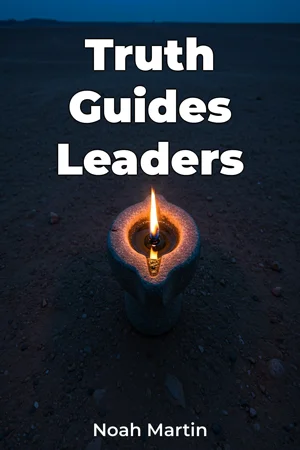
In a world saturated with misinformation and fleeting trends, how can leaders navigate the complexities of decision-making with integrity and lasting impact? "Truth Guides Leaders" explores the foundational role of truth, as exemplified by Jesus' teachings, in cultivating effective and ethical leadership. This book contrasts the pursuit of truth with the pervasive forces of worldly deception, offering a framework for leaders to discern authentic principles and apply them in diverse contexts. The book delves into several key topics. First, it examines the nature of truth itself, drawing upon Biblical interpretations and philosophical insights to define truth as an objective and reliable standard. It then explores the various forms of deception that leaders encounter, ranging from overt falsehoods to subtle biases and manipulations. Finally, the book provides practical strategies for cultivating a commitment to truth in leadership, emphasizing the importance of self-awareness, ethical decision-making, and transparent communication. The significance of these topics lies in the increasing challenges facing leaders today. In an era of rapid change and information overload, leaders are constantly bombarded with conflicting perspectives and competing interests. The ability to discern truth from falsehood is essential for making sound judgments, building trust, and inspiring others. "Truth Guides Leaders" argues that a commitment to truth is not merely a matter of personal integrity but a crucial component of effective leadership. Drawing upon Biblical verses and real-world examples, the book demonstrates that leaders who prioritize truth are more likely to foster collaboration, innovation, and long-term success. This argument is particularly relevant in a society where trust in institutions and leaders is declining. The book is structured to provide a comprehensive exploration of the topic. It begins by introducing the core concepts of truth and deception, establishing a Biblical foundation for the discussion. The subsequent sections delve into the practical implications of these concepts, examining how truth can guide leaders in various areas, such as strategic planning, conflict resolution, and team building. Specific chapters examine the perils of self-deception, the importance of seeking wise counsel, and the power of truth-telling to build strong relationships. The book culminates in a call to action, urging leaders to embrace truth as a guiding principle and to cultivate a culture of honesty and integrity within their organizations. The evidence presented in "Truth Guides Leaders" comes from a combination of sources, including Biblical texts, historical accounts, contemporary leadership studies, and case studies of successful and unsuccessful leaders. The book draws upon a wide range of interpretations and perspectives, providing a balanced and nuanced analysis of the topic. This work connects to other fields such as ethics, organizational behavior, and communication studies, demonstrating how truth impacts various facets of leadership. Morality and values in decision making are explored, as are the effects of honest leadership practices on team efficiency. The book approaches the subject with a serious yet accessible tone. While grounded in Biblical principles, it avoids being overly preachy or dogmatic, instead focusing on providing practical and actionable advice for leaders of all backgrounds. The writing style is clear, concise, and engaging, making the book accessible to a broad audience. The target audience for "Truth Guides Leaders" includes current and aspiring leaders in business, ministry, education, and other fields. It is also intended for anyone interested in exploring the intersection of faith and leadership. The book is valuable to readers who are seeking to deepen their understanding of truth and to develop their leadership skills. Given its genre, "Truth Guides Leaders" adheres to the conventions of Biblical Studies and Religion by providing thorough scriptural support for its arguments and engaging with relevant theological concepts. The book’s scope is intentionally broad, encompassing various aspects of leadership but it does not delve into specific theological debates. The framework presented in "Truth Guides Leaders" can equip leaders with the tools they need to navigate ethical dilemmas, build trust, and create a positive impact in their organizations and communities. By embracing truth as a guiding principle, leaders can inspire others to follow their example and contribute to a more just and equitable world. Some may argue about the interpretation of specific Biblical verses or the application of Christian principles in secular contexts. "Truth Guides Leaders" acknowledges these debates and offers a balanced perspective, encouraging readers to engage with the material critically and to draw their conclusions based on careful consideration of the evidence.
In a world saturated with misinformation and fleeting trends, how can leaders navigate the complexities of decision-making with integrity and lasting impact? "Truth Guides Leaders" explores the foundational role of truth, as exemplified by Jesus' teachings, in cultivating effective and ethical leadership. This book contrasts the pursuit of truth with the pervasive forces of worldly deception, offering a framework for leaders to discern authentic principles and apply them in diverse contexts. The book delves into several key topics. First, it examines the nature of truth itself, drawing upon Biblical interpretations and philosophical insights to define truth as an objective and reliable standard. It then explores the various forms of deception that leaders encounter, ranging from overt falsehoods to subtle biases and manipulations. Finally, the book provides practical strategies for cultivating a commitment to truth in leadership, emphasizing the importance of self-awareness, ethical decision-making, and transparent communication. The significance of these topics lies in the increasing challenges facing leaders today. In an era of rapid change and information overload, leaders are constantly bombarded with conflicting perspectives and competing interests. The ability to discern truth from falsehood is essential for making sound judgments, building trust, and inspiring others. "Truth Guides Leaders" argues that a commitment to truth is not merely a matter of personal integrity but a crucial component of effective leadership. Drawing upon Biblical verses and real-world examples, the book demonstrates that leaders who prioritize truth are more likely to foster collaboration, innovation, and long-term success. This argument is particularly relevant in a society where trust in institutions and leaders is declining. The book is structured to provide a comprehensive exploration of the topic. It begins by introducing the core concepts of truth and deception, establishing a Biblical foundation for the discussion. The subsequent sections delve into the practical implications of these concepts, examining how truth can guide leaders in various areas, such as strategic planning, conflict resolution, and team building. Specific chapters examine the perils of self-deception, the importance of seeking wise counsel, and the power of truth-telling to build strong relationships. The book culminates in a call to action, urging leaders to embrace truth as a guiding principle and to cultivate a culture of honesty and integrity within their organizations. The evidence presented in "Truth Guides Leaders" comes from a combination of sources, including Biblical texts, historical accounts, contemporary leadership studies, and case studies of successful and unsuccessful leaders. The book draws upon a wide range of interpretations and perspectives, providing a balanced and nuanced analysis of the topic. This work connects to other fields such as ethics, organizational behavior, and communication studies, demonstrating how truth impacts various facets of leadership. Morality and values in decision making are explored, as are the effects of honest leadership practices on team efficiency. The book approaches the subject with a serious yet accessible tone. While grounded in Biblical principles, it avoids being overly preachy or dogmatic, instead focusing on providing practical and actionable advice for leaders of all backgrounds. The writing style is clear, concise, and engaging, making the book accessible to a broad audience. The target audience for "Truth Guides Leaders" includes current and aspiring leaders in business, ministry, education, and other fields. It is also intended for anyone interested in exploring the intersection of faith and leadership. The book is valuable to readers who are seeking to deepen their understanding of truth and to develop their leadership skills. Given its genre, "Truth Guides Leaders" adheres to the conventions of Biblical Studies and Religion by providing thorough scriptural support for its arguments and engaging with relevant theological concepts. The book’s scope is intentionally broad, encompassing various aspects of leadership but it does not delve into specific theological debates. The framework presented in "Truth Guides Leaders" can equip leaders with the tools they need to navigate ethical dilemmas, build trust, and create a positive impact in their organizations and communities. By embracing truth as a guiding principle, leaders can inspire others to follow their example and contribute to a more just and equitable world. Some may argue about the interpretation of specific Biblical verses or the application of Christian principles in secular contexts. "Truth Guides Leaders" acknowledges these debates and offers a balanced perspective, encouraging readers to engage with the material critically and to draw their conclusions based on careful consideration of the evidence.
"Truth Guides Leaders" explores how leaders can leverage truth, as modeled by Jesus, to foster ethical decision-making and lasting influence. In an environment rife with deception, the book offers a framework for discerning authentic principles rooted in Biblical leadership. It argues prioritizing truth cultivates collaboration, innovation, and enduring success. For example, the book contrasts the pursuit of truth with the deceptive forces of the world, providing leaders with a framework to discern authentic principles. The book examines the nature of truth through Biblical interpretations, highlighting deception forms leaders face, from overt falsehoods to subtle biases. It offers practical strategies for cultivating truth in leadership, emphasizing self-awareness and transparent communication. Chapters delve into self-deception perils, the importance of seeking wise counsel, and truth-telling's power to build strong relationships. The book approaches the subject with an accessible tone, blending Biblical principles with actionable advice for leaders in diverse fields.
Book Details
ISBN
9788235213754
Publisher
Publifye AS
Your Licenses
You don't own any licenses for this book
Purchase a license below to unlock this book and download the EPUB.
Purchase License
Select a tier to unlock this book
Need bulk licensing?
Contact us for enterprise agreements.