
About This Book
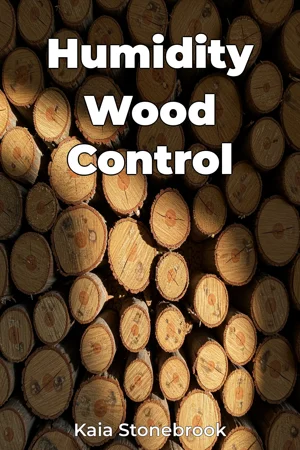
Can wood be a silent guardian of indoor air quality? "Humidity Wood Control" delves into the surprising and complex relationship between wood, moisture, and the air we breathe, offering a comprehensive analysis grounded in material science and environmental considerations. This book explores how the inherent hygroscopic properties of wood—its ability to absorb and release moisture—can be strategically harnessed to regulate indoor humidity levels, mitigating associated health risks and enhancing overall air quality. The significance of understanding wood's role in moisture regulation stems from two critical points: the increasing prevalence of indoor air quality issues and the growing demand for sustainable building materials. Modern buildings, often tightly sealed for energy efficiency, can trap pollutants and create environments conducive to mold growth, allergens, and respiratory problems. Simultaneously, the construction industry is under pressure to adopt eco-friendly alternatives to traditional materials. Wood, a renewable resource, presents a promising solution if its moisture-regulating capabilities are fully understood and properly utilized. This book argues that a deeper understanding of wood's interaction with moisture is essential for optimizing its use in building design and construction, leading to healthier and more sustainable indoor environments. It moves beyond simply viewing wood as a structural element and instead examines it as an active participant in indoor climate control. This argument is critical because it challenges conventional building practices and encourages a more holistic approach to designing sustainable and healthy spaces. The book begins by introducing the fundamental principles of wood science, focusing on its cellular structure, density, and moisture content. It then examines the mechanisms by which wood absorbs and releases moisture, exploring the influence of factors such as temperature, relative humidity, and wood species. Subsequent chapters analyze how different wood products (e.g., solid wood, engineered wood, wood composites) perform in various humidity conditions. Case studies of buildings where wood has been intentionally used for humidity control are presented, showcasing both successes and challenges. The culmination of these analyses leads to practical guidelines for selecting wood species, designing wood-based building components, and implementing moisture management strategies to achieve optimal indoor air quality. The evidence presented throughout the book is drawn from a combination of laboratory experiments, field studies, and data analysis. Unique data sources include long-term monitoring of indoor humidity levels in buildings with various wood constructions and detailed analysis of wood samples using advanced microscopy and spectroscopy techniques. Methodologies include controlled environment testing to simulate different climate scenarios and statistical modeling to predict wood's moisture behavior under varying conditions. "Humidity Wood Control" connects to several other fields of study. Firstly, it draws heavily on material science, particularly the study of polymers and their interaction with fluids. Secondly, it is closely linked to building science, incorporating principles of heat and moisture transfer in buildings. Thirdly, it is relevant to public health, as indoor air quality directly impacts respiratory health and overall well-being. These connections enhance the book's argument by providing a multidisciplinary perspective on the challenges and opportunities of using wood for humidity control. This book takes a unique approach by focusing specifically on the active role of wood in regulating indoor humidity, rather than simply treating it as a passive building material. It provides a data-driven analysis of wood's moisture behavior and offers practical, evidence-based recommendations for utilizing wood to improve indoor air quality. The book presents information in a clear and accessible style, suitable for both technical and non-technical readers. While grounded in scientific principles, the book avoids excessive jargon and emphasizes practical applications. The target audience includes architects, engineers, building contractors, interior designers, and anyone interested in sustainable building practices and indoor air quality. It would be valuable to those seeking to design and construct healthier, more energy-efficient buildings using environmentally friendly materials like wood. As a non-fiction book within the ‘Environment, Science’ genres, it aims to provide factual, research-backed information and avoid speculative or unsubstantiated claims. The scope of the book is limited to the relationship between wood and indoor humidity, excluding other aspects of wood construction or indoor air quality that are not directly related to moisture regulation. The information in the book can be applied practically by readers in several ways. Architects and engineers can use the guidelines to select appropriate wood species and design building components that effectively manage indoor humidity. Building contractors can implement moisture management strategies during construction to prevent mold growth and ensure long-term air quality. Homeowners can use the knowledge to make informed decisions about selecting wood flooring, furniture, and other interior finishes. While the benefits of using wood for humidity control are well-documented, there are also ongoing debates about the sustainability of wood harvesting practices and the potential for wood to contribute to volatile organic compound (VOC) emissions. This book addresses these concerns by discussing sustainable forestry practices and exploring ways to minimize VOC emissions from wood products.
Can wood be a silent guardian of indoor air quality? "Humidity Wood Control" delves into the surprising and complex relationship between wood, moisture, and the air we breathe, offering a comprehensive analysis grounded in material science and environmental considerations. This book explores how the inherent hygroscopic properties of wood—its ability to absorb and release moisture—can be strategically harnessed to regulate indoor humidity levels, mitigating associated health risks and enhancing overall air quality. The significance of understanding wood's role in moisture regulation stems from two critical points: the increasing prevalence of indoor air quality issues and the growing demand for sustainable building materials. Modern buildings, often tightly sealed for energy efficiency, can trap pollutants and create environments conducive to mold growth, allergens, and respiratory problems. Simultaneously, the construction industry is under pressure to adopt eco-friendly alternatives to traditional materials. Wood, a renewable resource, presents a promising solution if its moisture-regulating capabilities are fully understood and properly utilized. This book argues that a deeper understanding of wood's interaction with moisture is essential for optimizing its use in building design and construction, leading to healthier and more sustainable indoor environments. It moves beyond simply viewing wood as a structural element and instead examines it as an active participant in indoor climate control. This argument is critical because it challenges conventional building practices and encourages a more holistic approach to designing sustainable and healthy spaces. The book begins by introducing the fundamental principles of wood science, focusing on its cellular structure, density, and moisture content. It then examines the mechanisms by which wood absorbs and releases moisture, exploring the influence of factors such as temperature, relative humidity, and wood species. Subsequent chapters analyze how different wood products (e.g., solid wood, engineered wood, wood composites) perform in various humidity conditions. Case studies of buildings where wood has been intentionally used for humidity control are presented, showcasing both successes and challenges. The culmination of these analyses leads to practical guidelines for selecting wood species, designing wood-based building components, and implementing moisture management strategies to achieve optimal indoor air quality. The evidence presented throughout the book is drawn from a combination of laboratory experiments, field studies, and data analysis. Unique data sources include long-term monitoring of indoor humidity levels in buildings with various wood constructions and detailed analysis of wood samples using advanced microscopy and spectroscopy techniques. Methodologies include controlled environment testing to simulate different climate scenarios and statistical modeling to predict wood's moisture behavior under varying conditions. "Humidity Wood Control" connects to several other fields of study. Firstly, it draws heavily on material science, particularly the study of polymers and their interaction with fluids. Secondly, it is closely linked to building science, incorporating principles of heat and moisture transfer in buildings. Thirdly, it is relevant to public health, as indoor air quality directly impacts respiratory health and overall well-being. These connections enhance the book's argument by providing a multidisciplinary perspective on the challenges and opportunities of using wood for humidity control. This book takes a unique approach by focusing specifically on the active role of wood in regulating indoor humidity, rather than simply treating it as a passive building material. It provides a data-driven analysis of wood's moisture behavior and offers practical, evidence-based recommendations for utilizing wood to improve indoor air quality. The book presents information in a clear and accessible style, suitable for both technical and non-technical readers. While grounded in scientific principles, the book avoids excessive jargon and emphasizes practical applications. The target audience includes architects, engineers, building contractors, interior designers, and anyone interested in sustainable building practices and indoor air quality. It would be valuable to those seeking to design and construct healthier, more energy-efficient buildings using environmentally friendly materials like wood. As a non-fiction book within the ‘Environment, Science’ genres, it aims to provide factual, research-backed information and avoid speculative or unsubstantiated claims. The scope of the book is limited to the relationship between wood and indoor humidity, excluding other aspects of wood construction or indoor air quality that are not directly related to moisture regulation. The information in the book can be applied practically by readers in several ways. Architects and engineers can use the guidelines to select appropriate wood species and design building components that effectively manage indoor humidity. Building contractors can implement moisture management strategies during construction to prevent mold growth and ensure long-term air quality. Homeowners can use the knowledge to make informed decisions about selecting wood flooring, furniture, and other interior finishes. While the benefits of using wood for humidity control are well-documented, there are also ongoing debates about the sustainability of wood harvesting practices and the potential for wood to contribute to volatile organic compound (VOC) emissions. This book addresses these concerns by discussing sustainable forestry practices and exploring ways to minimize VOC emissions from wood products.
"Humidity Wood Control" explores the fascinating link between wood and indoor air quality, revealing how wood's natural ability to absorb and release moisture can regulate humidity. This book argues that understanding wood's hygroscopic properties is key to creating healthier, more sustainable buildings. Did you know that tightly sealed modern buildings can trap pollutants, leading to mold growth and respiratory issues? The book highlights how using wood strategically can mitigate these problems, offering a natural solution to indoor air quality challenges. The book begins by explaining the science of wood, covering its structure and moisture content, before delving into how different wood products perform under varying humidity conditions. Case studies illustrate both successful and challenging applications of wood for humidity control. By examining wood as an active element in climate control, rather than merely a passive material, the book provides guidelines for selecting wood species and designing wood-based components. This approach could help architects, engineers, and anyone interested in sustainable building practices make informed decisions about wood use.
Book Details
ISBN
9788235213365
Publisher
Publifye AS
Your Licenses
You don't own any licenses for this book
Purchase a license below to unlock this book and download the EPUB.
Purchase License
Select a tier to unlock this book
Need bulk licensing?
Contact us for enterprise agreements.