
About This Book
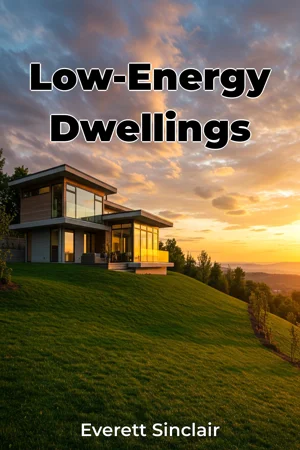
In an era defined by escalating energy costs and increasing environmental awareness, how can we rethink the very concept of home to drastically reduce our reliance on electricity? "Low-Energy Dwellings" addresses this critical question head-on, providing a comprehensive exploration of architectural designs, technologies, and strategies aimed at minimizing electrical consumption in residential buildings. This book delves into the core principles of energy efficiency, examining how innovative design and mindful construction can significantly lower our carbon footprint while enhancing comfort and livability. This book revolves around three key topics: passive design strategies, smart home technologies, and sustainable material selection. Passive design, the cornerstone of low-energy architecture, harnesses natural elements like sunlight, wind, and thermal mass to regulate indoor temperatures and reduce the need for artificial heating, cooling, and lighting. Smart home technologies, including advanced automation systems and energy monitoring devices, offer real-time insights into energy usage, empowering homeowners to make informed decisions and optimize their consumption patterns. Finally, the choice of sustainable building materials, from recycled content insulation to low-embodied-energy structural components, plays a vital role in minimizing the environmental impact of construction and operation. "Low-Energy Dwellings" argues that achieving true energy efficiency requires a holistic and integrated approach, one that considers every aspect of the building design, construction, and operation. It challenges the conventional reliance on active systems and emphasizes the importance of creating buildings that work in harmony with their environment. This central argument is crucial, not only for reducing our dependence on fossil fuels but also for creating healthier, more resilient, and more sustainable communities. The structure of this book is meticulously designed to guide the reader through the complexities of low-energy dwelling design. It begins with an introduction to the fundamental principles of energy efficiency and their relevance in the context of residential architecture. The book then explores passive design strategies, detailing their application in various climates and building types. Subsequent chapters delve into the integration of smart home technologies, examining their potential to optimize energy consumption and enhance occupant comfort. The culmination of the book focuses on practical applications and real-world case studies. The arguments in "Low-Energy Dwellings" are supported by a wealth of evidence and research, including data from energy audits, performance simulations, and post-occupancy evaluations. The book draws on a diverse range of sources, from academic journals and industry reports to architectural case studies and manufacturer specifications. It also incorporates original analysis of energy consumption data from a variety of low-energy homes around the world, providing unique insights into the effectiveness of different design strategies and technologies. The concepts explored in "Low-Energy Dwellings" intersect with several other fields, including environmental science, materials science, and urban planning. The environmental science connection highlights the broader ecological implications of energy consumption and the importance of reducing our carbon footprint. The materials science connection explores the properties and performance characteristics of different building materials, with a focus on sustainability and low-embodied energy. The urban planning connection examines the role of building design in creating more sustainable and resilient communities. This book takes a pragmatic approach, focusing on practical solutions and real-world applications. It prioritizes clarity and accessibility, demystifying complex technical concepts and presenting information in a clear, concise, and visually engaging manner. "Low-Energy Dwellings" is aimed at a broad audience, including architects, designers, builders, homeowners, and anyone interested in sustainable living. It offers valuable insights and practical guidance for professionals seeking to incorporate energy-efficient design into their practice, as well as for homeowners looking to reduce their energy bills and minimize their environmental impact. The book caters to the conventions of architectural and technology writing. It delivers technical information clearly while showcasing design ideas that promote sustainable building practices. The scope of this book encompasses a wide range of residential building types, from single-family homes to multi-unit dwellings. While focusing on new construction, it also addresses the challenges and opportunities of retrofitting existing buildings to improve energy performance. The book acknowledges that achieving true energy efficiency requires ongoing monitoring and evaluation, and it provides guidance on how to track energy consumption and identify areas for improvement. The information presented in "Low-Energy Dwellings" can be applied in a variety of practical ways. Architects and designers can use the book to inform their design decisions and create buildings that are both aesthetically pleasing and energy efficient. Builders can use it to select sustainable materials and implement construction practices that minimize energy consumption. Homeowners can use it to make informed decisions about their energy usage and invest in technologies that reduce their carbon footprint. "Low-Energy Dwellings" contributes to the ongoing debate about how to achieve a more sustainable future. By highlighting the potential of low-energy architecture to reduce energy consumption and minimize environmental impact, it offers a compelling vision for a more resilient and sustainable built environment.
In an era defined by escalating energy costs and increasing environmental awareness, how can we rethink the very concept of home to drastically reduce our reliance on electricity? "Low-Energy Dwellings" addresses this critical question head-on, providing a comprehensive exploration of architectural designs, technologies, and strategies aimed at minimizing electrical consumption in residential buildings. This book delves into the core principles of energy efficiency, examining how innovative design and mindful construction can significantly lower our carbon footprint while enhancing comfort and livability. This book revolves around three key topics: passive design strategies, smart home technologies, and sustainable material selection. Passive design, the cornerstone of low-energy architecture, harnesses natural elements like sunlight, wind, and thermal mass to regulate indoor temperatures and reduce the need for artificial heating, cooling, and lighting. Smart home technologies, including advanced automation systems and energy monitoring devices, offer real-time insights into energy usage, empowering homeowners to make informed decisions and optimize their consumption patterns. Finally, the choice of sustainable building materials, from recycled content insulation to low-embodied-energy structural components, plays a vital role in minimizing the environmental impact of construction and operation. "Low-Energy Dwellings" argues that achieving true energy efficiency requires a holistic and integrated approach, one that considers every aspect of the building design, construction, and operation. It challenges the conventional reliance on active systems and emphasizes the importance of creating buildings that work in harmony with their environment. This central argument is crucial, not only for reducing our dependence on fossil fuels but also for creating healthier, more resilient, and more sustainable communities. The structure of this book is meticulously designed to guide the reader through the complexities of low-energy dwelling design. It begins with an introduction to the fundamental principles of energy efficiency and their relevance in the context of residential architecture. The book then explores passive design strategies, detailing their application in various climates and building types. Subsequent chapters delve into the integration of smart home technologies, examining their potential to optimize energy consumption and enhance occupant comfort. The culmination of the book focuses on practical applications and real-world case studies. The arguments in "Low-Energy Dwellings" are supported by a wealth of evidence and research, including data from energy audits, performance simulations, and post-occupancy evaluations. The book draws on a diverse range of sources, from academic journals and industry reports to architectural case studies and manufacturer specifications. It also incorporates original analysis of energy consumption data from a variety of low-energy homes around the world, providing unique insights into the effectiveness of different design strategies and technologies. The concepts explored in "Low-Energy Dwellings" intersect with several other fields, including environmental science, materials science, and urban planning. The environmental science connection highlights the broader ecological implications of energy consumption and the importance of reducing our carbon footprint. The materials science connection explores the properties and performance characteristics of different building materials, with a focus on sustainability and low-embodied energy. The urban planning connection examines the role of building design in creating more sustainable and resilient communities. This book takes a pragmatic approach, focusing on practical solutions and real-world applications. It prioritizes clarity and accessibility, demystifying complex technical concepts and presenting information in a clear, concise, and visually engaging manner. "Low-Energy Dwellings" is aimed at a broad audience, including architects, designers, builders, homeowners, and anyone interested in sustainable living. It offers valuable insights and practical guidance for professionals seeking to incorporate energy-efficient design into their practice, as well as for homeowners looking to reduce their energy bills and minimize their environmental impact. The book caters to the conventions of architectural and technology writing. It delivers technical information clearly while showcasing design ideas that promote sustainable building practices. The scope of this book encompasses a wide range of residential building types, from single-family homes to multi-unit dwellings. While focusing on new construction, it also addresses the challenges and opportunities of retrofitting existing buildings to improve energy performance. The book acknowledges that achieving true energy efficiency requires ongoing monitoring and evaluation, and it provides guidance on how to track energy consumption and identify areas for improvement. The information presented in "Low-Energy Dwellings" can be applied in a variety of practical ways. Architects and designers can use the book to inform their design decisions and create buildings that are both aesthetically pleasing and energy efficient. Builders can use it to select sustainable materials and implement construction practices that minimize energy consumption. Homeowners can use it to make informed decisions about their energy usage and invest in technologies that reduce their carbon footprint. "Low-Energy Dwellings" contributes to the ongoing debate about how to achieve a more sustainable future. By highlighting the potential of low-energy architecture to reduce energy consumption and minimize environmental impact, it offers a compelling vision for a more resilient and sustainable built environment.
"Low-Energy Dwellings" explores how innovative architectural designs and technologies can dramatically reduce electricity consumption in homes. It focuses on minimizing our carbon footprint while enhancing living comfort through energy efficiency. The book argues for an integrated approach, urging a move away from reliance on active systems towards designs that harmonize with the environment. Did you know that passive design strategies, like using sunlight for heating, can significantly lower energy bills? Also, smart home technologies offer real-time insights into energy usage, empowering homeowners to optimize consumption. The book's structure guides readers through the complexities of low-energy dwelling design, starting with fundamental principles. It progresses from passive design strategies applicable in various climates to the integration of smart home technologies. The final chapters delve into practical applications and real-world case studies. By prioritizing clarity and real-world solutions, "Low-Energy Dwellings" provides valuable insights for architects, homeowners, and anyone interested in sustainable building and reducing their electrical consumption.
Book Details
ISBN
9788235213273
Publisher
Publifye AS
Your Licenses
You don't own any licenses for this book
Purchase a license below to unlock this book and download the EPUB.
Purchase License
Select a tier to unlock this book
Need bulk licensing?
Contact us for enterprise agreements.