
About This Book
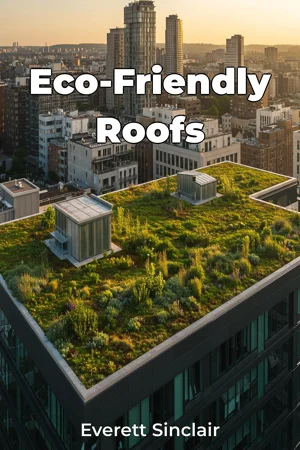
Can the rooftops above us become vital components in cooling our cities and fostering ecological sustainability? "Eco-Friendly Roofs" delves into the burgeoning field of green roof technology, exploring its potential to revolutionize urban environments. This book examines the science, application, and future of vegetated roofs, arguing that they represent a crucial strategy for mitigating the urban heat island effect and promoting biodiversity in increasingly dense urban landscapes. The book addresses several key topics. First, it investigates the ecological benefits of green roofs, including their ability to support plant and animal life, improve air quality, and manage stormwater runoff. Second, it analyzes the thermal performance of green roofs, demonstrating how they can reduce building energy consumption by providing insulation and shading. Third, it explores the economic aspects of green roof implementation, including initial costs, long-term savings, and potential government incentives. Understanding the rise of green roofs requires acknowledging the historical context of urban development and its environmental consequences. The book traces the evolution of urban design, highlighting the increasing separation between humans and nature. It also provides a scientific overview of the urban heat island effect and its impact on public health and energy consumption. Furthermore, it gives background on the principles of sustainable design and the growing movement towards ecological urbanism. The central argument of "Eco-Friendly Roofs" is that green roof technology is a viable and necessary tool for creating more sustainable and resilient cities. The book supports this argument by presenting empirical evidence from scientific studies, case studies of successful green roof projects, and economic analyses of their costs and benefits. The book emphasizes the role of green roofs not merely as aesthetic improvements, but as integral components of urban infrastructure that provide measurable environmental and economic advantages. The book is structured to provide a comprehensive understanding of green roof technology. It begins with an introduction to the basic principles of green roofs, including types of systems, plant selection, and construction methods. Subsequent chapters delve into specific aspects of green roof performance, such as thermal regulation, stormwater management, and biodiversity enhancement. The book culminates with a discussion of the future of green roofs, exploring emerging technologies, policy recommendations, and the potential for wider adoption. The evidence presented in "Eco-Friendly Roofs" draws from a variety of sources, including academic research, government reports, and industry data. The book incorporates data from field studies that measure the thermal performance of green roofs, analyze the composition of plant communities on green roofs, and assess the economic impact of green roof installations. The book also includes case studies of green roof projects from around the world, showcasing different approaches to green roof design and implementation. "Eco-Friendly Roofs" makes connections to several other fields of study. It touches upon aspects of ecology, exploring the role of green roofs in supporting biodiversity and creating urban ecosystems. It also connects to the field of engineering, examining the structural requirements and technical challenges of green roof construction. Furthermore, it relates to urban planning, considering the policy implications of green roof implementation and their potential to contribute to sustainable urban development. A unique aspect of "Eco-Friendly Roofs" is its focus on the integration of green roofs into broader urban planning strategies. The book emphasizes the importance of considering green roofs not as isolated projects, but as part of a comprehensive approach to creating more sustainable and resilient cities. It promotes the concept of "green infrastructure," in which green roofs are combined with other green spaces, such as parks and urban forests, to create a network of ecological corridors throughout the urban landscape. The book is written in a professional but accessible style, making it suitable for a broad audience. It avoids overly technical jargon and provides clear explanations of scientific concepts. The book also includes numerous illustrations and diagrams to aid understanding. The target audience for "Eco-Friendly Roofs" includes architects, landscape architects, urban planners, engineers, policymakers, and anyone interested in sustainable urban development. The book would be valuable to students, researchers, and professionals working in these fields, as well as to anyone who wants to learn more about the potential of green roofs to transform our cities. As an architectural and environmental non-fiction work, the book aims to provide readers with a comprehensive and authoritative overview of the subject. The scope of "Eco-Friendly Roofs" is limited to vegetated roof systems and their impact. While the book touches upon other aspects of sustainable building design, its primary focus is on green roofs. The book also focuses primarily on temperate climates, though it does include examples of green roof projects from other climate zones. The information in "Eco-Friendly Roofs" can be applied practically by readers in a variety of ways. Architects and engineers can use the book to inform their design decisions, while urban planners and policymakers can use it to develop policies that promote green roof implementation. Homeowners and building owners can use the book to learn about the benefits of green roofs and how to install them on their own properties. "Eco-Friendly Roofs" addresses some of the ongoing debates in the field of green roof technology, such as the relative costs and benefits of different types of green roof systems and the best strategies for promoting green roof adoption. By providing a comprehensive and balanced overview of the available evidence, the book aims to inform these debates and contribute to a more informed discussion about the role of green roofs in creating more sustainable cities.
Can the rooftops above us become vital components in cooling our cities and fostering ecological sustainability? "Eco-Friendly Roofs" delves into the burgeoning field of green roof technology, exploring its potential to revolutionize urban environments. This book examines the science, application, and future of vegetated roofs, arguing that they represent a crucial strategy for mitigating the urban heat island effect and promoting biodiversity in increasingly dense urban landscapes. The book addresses several key topics. First, it investigates the ecological benefits of green roofs, including their ability to support plant and animal life, improve air quality, and manage stormwater runoff. Second, it analyzes the thermal performance of green roofs, demonstrating how they can reduce building energy consumption by providing insulation and shading. Third, it explores the economic aspects of green roof implementation, including initial costs, long-term savings, and potential government incentives. Understanding the rise of green roofs requires acknowledging the historical context of urban development and its environmental consequences. The book traces the evolution of urban design, highlighting the increasing separation between humans and nature. It also provides a scientific overview of the urban heat island effect and its impact on public health and energy consumption. Furthermore, it gives background on the principles of sustainable design and the growing movement towards ecological urbanism. The central argument of "Eco-Friendly Roofs" is that green roof technology is a viable and necessary tool for creating more sustainable and resilient cities. The book supports this argument by presenting empirical evidence from scientific studies, case studies of successful green roof projects, and economic analyses of their costs and benefits. The book emphasizes the role of green roofs not merely as aesthetic improvements, but as integral components of urban infrastructure that provide measurable environmental and economic advantages. The book is structured to provide a comprehensive understanding of green roof technology. It begins with an introduction to the basic principles of green roofs, including types of systems, plant selection, and construction methods. Subsequent chapters delve into specific aspects of green roof performance, such as thermal regulation, stormwater management, and biodiversity enhancement. The book culminates with a discussion of the future of green roofs, exploring emerging technologies, policy recommendations, and the potential for wider adoption. The evidence presented in "Eco-Friendly Roofs" draws from a variety of sources, including academic research, government reports, and industry data. The book incorporates data from field studies that measure the thermal performance of green roofs, analyze the composition of plant communities on green roofs, and assess the economic impact of green roof installations. The book also includes case studies of green roof projects from around the world, showcasing different approaches to green roof design and implementation. "Eco-Friendly Roofs" makes connections to several other fields of study. It touches upon aspects of ecology, exploring the role of green roofs in supporting biodiversity and creating urban ecosystems. It also connects to the field of engineering, examining the structural requirements and technical challenges of green roof construction. Furthermore, it relates to urban planning, considering the policy implications of green roof implementation and their potential to contribute to sustainable urban development. A unique aspect of "Eco-Friendly Roofs" is its focus on the integration of green roofs into broader urban planning strategies. The book emphasizes the importance of considering green roofs not as isolated projects, but as part of a comprehensive approach to creating more sustainable and resilient cities. It promotes the concept of "green infrastructure," in which green roofs are combined with other green spaces, such as parks and urban forests, to create a network of ecological corridors throughout the urban landscape. The book is written in a professional but accessible style, making it suitable for a broad audience. It avoids overly technical jargon and provides clear explanations of scientific concepts. The book also includes numerous illustrations and diagrams to aid understanding. The target audience for "Eco-Friendly Roofs" includes architects, landscape architects, urban planners, engineers, policymakers, and anyone interested in sustainable urban development. The book would be valuable to students, researchers, and professionals working in these fields, as well as to anyone who wants to learn more about the potential of green roofs to transform our cities. As an architectural and environmental non-fiction work, the book aims to provide readers with a comprehensive and authoritative overview of the subject. The scope of "Eco-Friendly Roofs" is limited to vegetated roof systems and their impact. While the book touches upon other aspects of sustainable building design, its primary focus is on green roofs. The book also focuses primarily on temperate climates, though it does include examples of green roof projects from other climate zones. The information in "Eco-Friendly Roofs" can be applied practically by readers in a variety of ways. Architects and engineers can use the book to inform their design decisions, while urban planners and policymakers can use it to develop policies that promote green roof implementation. Homeowners and building owners can use the book to learn about the benefits of green roofs and how to install them on their own properties. "Eco-Friendly Roofs" addresses some of the ongoing debates in the field of green roof technology, such as the relative costs and benefits of different types of green roof systems and the best strategies for promoting green roof adoption. By providing a comprehensive and balanced overview of the available evidence, the book aims to inform these debates and contribute to a more informed discussion about the role of green roofs in creating more sustainable cities.
"Eco-Friendly Roofs" explores how vegetated rooftops can transform urban spaces into more ecologically sustainable environments. It examines the science behind green infrastructure, highlighting benefits such as mitigating the urban heat island effect and improving stormwater management. Did you know that green roofs can act as natural insulators, reducing a building's energy consumption? Or that they contribute to biodiversity by providing habitats for plants and animals in otherwise barren cityscapes? The book uniquely integrates green roofs into broader urban planning strategies, promoting them as essential components of "green infrastructure" networks. It progresses from basic principles of green roof design and construction to in-depth analyses of their thermal regulation, stormwater management, and biodiversity enhancement capabilities. Case studies and empirical evidence support the argument that eco-friendly roofs are not just aesthetic improvements, but vital elements for creating resilient urban ecosystems. The book makes its case by presenting scientific studies, successful project case studies, and economic analyses to reveal green roof technology as a viable and necessary tool for creating more sustainable and resilient cities. It concludes by exploring emerging technologies and policy recommendations for wider adoption, making it a valuable resource for architects, urban planners, and anyone interested in sustainable urban development.
Book Details
ISBN
9788235213242
Publisher
Publifye AS
Your Licenses
You don't own any licenses for this book
Purchase a license below to unlock this book and download the EPUB.
Purchase License
Select a tier to unlock this book
Need bulk licensing?
Contact us for enterprise agreements.