
About This Book
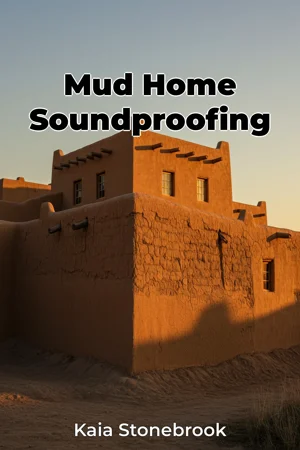
In an increasingly noisy world, can ancient building techniques offer a sustainable path to acoustic comfort? "Mud Home Soundproofing" explores the untapped potential of mud construction for creating quieter, more peaceful living spaces, bridging the gap between traditional architecture, material science, and the growing demand for effective and eco-friendly soundproofing solutions. This book delves into the science behind how mud, one of humanity's oldest building materials, can be optimized to mitigate noise pollution. Acoustic comfort in architecture is often overlooked, yet it profoundly impacts our well-being, productivity, and overall quality of life. Traditional mud construction, prevalent for millennia, offers inherent acoustic properties that modern construction often lacks. Understanding and enhancing these properties is crucial for creating sustainable and healthy living environments. The argument at the heart of this book is that informed application of material science principles can significantly improve the soundproofing capabilities of mud homes. This approach offers a sustainable alternative to conventional, often energy-intensive, soundproofing methods. The book will first establish a foundational understanding of acoustics, including sound transmission, absorption, and the impact of different frequencies. It then examines the material composition of various mud mixtures, analyzing how factors such as clay content, aggregate type, and binding agents affect sound transmission loss. The book will then focus on Adobe's noise reduction properties by analyzing its material science and real world examples. Specific construction techniques, such as wall thickness, layering, and the incorporation of sound-absorbing materials like straw or wool, are then explored in detail. Finally, the book culminates by presenting practical guidelines for designing and constructing mud homes with optimized acoustic performance. The evidence presented will draw from a combination of laboratory testing, field measurements, and case studies of existing mud structures. Acoustic testing data, including sound transmission loss measurements for different mud mixtures and construction methods, will be a primary source. Additionally, interviews with experienced mud builders and residents of mud homes will provide valuable qualitative insights into the lived experience of acoustic comfort. Research in material science related to adobe and its variants will also be referenced. The book connects to several other fields. Environmental science is relevant, as promoting mud construction as a sustainable alternative reduces the carbon footprint associated with conventional building materials. Furthermore connections to health science will be made, highlighting the impact of noise pollution on human well-being. Finally, the book touches upon sociology and anthropology, exploring the cultural significance of mud construction in different parts of the world. This book aims to provide a comprehensive yet accessible guide for architects, builders, homeowners, and anyone interested in sustainable building practices and acoustic comfort. It will be valuable for those seeking practical, environmentally friendly solutions to noise pollution in residential settings. While the book primarily focuses on residential applications, the principles and techniques discussed can also be adapted for use in other types of buildings, such as schools and community centers. The scope is limited to the use of mud as a primary construction material for soundproofing, and does not delve into other soundproofing materials or techniques. The information within can be directly applied in the design and construction of new mud homes, as well as in the renovation of existing structures to improve their acoustic performance. By providing clear guidelines and evidence-based recommendations, the book empowers readers to create quieter, healthier, and more sustainable living spaces. The current debate in the field revolves around balancing the desire for high acoustic performance with the need for sustainability and affordability. The book contributes to this debate by showcasing the potential of mud construction, offering a compelling case for its viability as a soundproofing solution.
In an increasingly noisy world, can ancient building techniques offer a sustainable path to acoustic comfort? "Mud Home Soundproofing" explores the untapped potential of mud construction for creating quieter, more peaceful living spaces, bridging the gap between traditional architecture, material science, and the growing demand for effective and eco-friendly soundproofing solutions. This book delves into the science behind how mud, one of humanity's oldest building materials, can be optimized to mitigate noise pollution. Acoustic comfort in architecture is often overlooked, yet it profoundly impacts our well-being, productivity, and overall quality of life. Traditional mud construction, prevalent for millennia, offers inherent acoustic properties that modern construction often lacks. Understanding and enhancing these properties is crucial for creating sustainable and healthy living environments. The argument at the heart of this book is that informed application of material science principles can significantly improve the soundproofing capabilities of mud homes. This approach offers a sustainable alternative to conventional, often energy-intensive, soundproofing methods. The book will first establish a foundational understanding of acoustics, including sound transmission, absorption, and the impact of different frequencies. It then examines the material composition of various mud mixtures, analyzing how factors such as clay content, aggregate type, and binding agents affect sound transmission loss. The book will then focus on Adobe's noise reduction properties by analyzing its material science and real world examples. Specific construction techniques, such as wall thickness, layering, and the incorporation of sound-absorbing materials like straw or wool, are then explored in detail. Finally, the book culminates by presenting practical guidelines for designing and constructing mud homes with optimized acoustic performance. The evidence presented will draw from a combination of laboratory testing, field measurements, and case studies of existing mud structures. Acoustic testing data, including sound transmission loss measurements for different mud mixtures and construction methods, will be a primary source. Additionally, interviews with experienced mud builders and residents of mud homes will provide valuable qualitative insights into the lived experience of acoustic comfort. Research in material science related to adobe and its variants will also be referenced. The book connects to several other fields. Environmental science is relevant, as promoting mud construction as a sustainable alternative reduces the carbon footprint associated with conventional building materials. Furthermore connections to health science will be made, highlighting the impact of noise pollution on human well-being. Finally, the book touches upon sociology and anthropology, exploring the cultural significance of mud construction in different parts of the world. This book aims to provide a comprehensive yet accessible guide for architects, builders, homeowners, and anyone interested in sustainable building practices and acoustic comfort. It will be valuable for those seeking practical, environmentally friendly solutions to noise pollution in residential settings. While the book primarily focuses on residential applications, the principles and techniques discussed can also be adapted for use in other types of buildings, such as schools and community centers. The scope is limited to the use of mud as a primary construction material for soundproofing, and does not delve into other soundproofing materials or techniques. The information within can be directly applied in the design and construction of new mud homes, as well as in the renovation of existing structures to improve their acoustic performance. By providing clear guidelines and evidence-based recommendations, the book empowers readers to create quieter, healthier, and more sustainable living spaces. The current debate in the field revolves around balancing the desire for high acoustic performance with the need for sustainability and affordability. The book contributes to this debate by showcasing the potential of mud construction, offering a compelling case for its viability as a soundproofing solution.
"Mud Home Soundproofing" explores the potential of mud construction as a sustainable solution for achieving acoustic comfort in residential spaces. Bridging traditional architecture with material science, the book investigates how optimizing mud mixtures can effectively mitigate noise pollution, offering an eco-friendly alternative to conventional soundproofing methods. One intriguing fact is that traditional mud construction inherently possesses acoustic properties often lacking in modern buildings. The book also highlights how specific construction techniques, such as varying wall thickness and incorporating sound-absorbing materials, can significantly enhance these properties. The book begins by establishing a foundational understanding of acoustics and then delves into the material composition of mud, analyzing how factors like clay content affect sound transmission loss. Focusing on Adobe's noise reduction properties the book analyzes its material science and real world examples. It then presents practical guidelines for designing and constructing mud homes with optimized acoustic performance, drawing from laboratory testing, field measurements, and case studies. By showcasing the viability of mud construction, this book contributes to the ongoing debate about balancing acoustic performance with sustainability and affordability in building practices.
Book Details
ISBN
9788235213235
Publisher
Publifye AS
Your Licenses
You don't own any licenses for this book
Purchase a license below to unlock this book and download the EPUB.
Purchase License
Select a tier to unlock this book
Need bulk licensing?
Contact us for enterprise agreements.